Iran announces closure of Strait of Hormuz following U.S. strikes
Iran's Islamic Revolutionary Guard Corps Aerospace Force Commander Brigadier General Amir Ali Hajizadeh said all commercial shipping through the Strait of Hormuz was closed following last night's U.S. air strikes. Tehran's announcement sent Brent crude through 88 dollars a barrel in Asian trade; the U.S. Fifth Fleet commander said the decision would be reversed by force immediately.
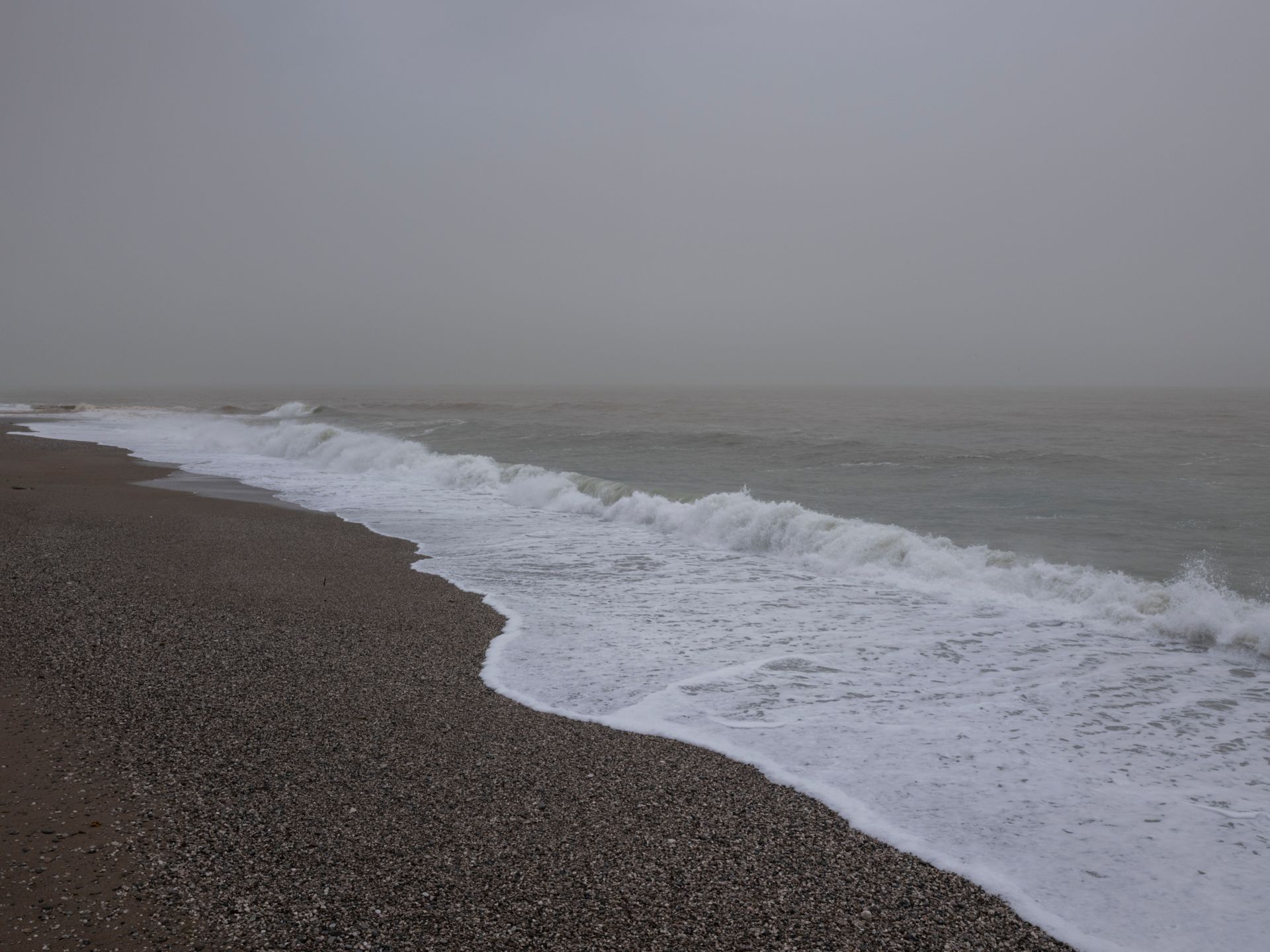
On a pre-record broadcast by Iran's state television IRINN, Brigadier General Hajizadeh said that at midnight Islamic Revolutionary Guard Corps Navy had declared a control zone in the 4-kilometre commercial shipping corridor. The statement followed the second wave of U.S. strikes against radar and missile sites inside Iran. Direct satellite imagery confirms small IRGCN attack boats in a formation closing the northern principal commercial lane.
U.S. Fifth Fleet commander Vice Admiral Daniel Cheever, in a brief statement to Al Jazeera from his headquarters in Manama, said NATO-linked escort flotillas had been activated within 12 minutes and that the closure would be reversed by force. UK Maritime Trade Operations (UKMTO) Dubai bulletin said 22 tankers were anchored off Fujairah, with an additional 14 held off Lakshadweep cape.
Brent crude futures hit $88.30 a barrel in Asian trade; WTI reached $84.80. Saudi Aramco officials said they would offer Indian refiners emergency back-up supply via an alternative route along the Indian Ocean coast. United Nations Secretary General António Guterres said in a New York statement that the world was approaching a point of no return: «Hormuz is the central nervous system of international navigation». Not investment advice.
Read next
Sea drone rescues U.S. Army Apache helicopter crew near the Strait of Hormuz
The Pentagon has confirmed that the two-crew complement of a U.S. Army Apache helicopter that went down on Monday roughly 60 nautical miles south-east of the Strait of Hormuz was rescued by an uncrewed sea drone. A Saildrone Surveyor-class remotely operated speedboat reached the scene in 53 minutes and delivered the crew to USS Carl Vinson.
China taps commercial oil stocks to help weather Iran war shock

Thousands march in Pakistan-administered Kashmir as clashes kill at least 15

Nigerian migrants flee South Africa after spike in xenophobic protests

France and Germany scrap FCAS combat aircraft project in major European defence setback