China taps commercial oil stocks to help weather Iran war shock
Beijing has drawn 1.9 million barrels a day from commercial stockpiles operated by Sinopec and PetroChina amid uncertainty around the Strait of Hormuz; crude imports in the first half of June were down 12% from May. Weaker downstream demand makes the impact of the drawdown bigger than expected.
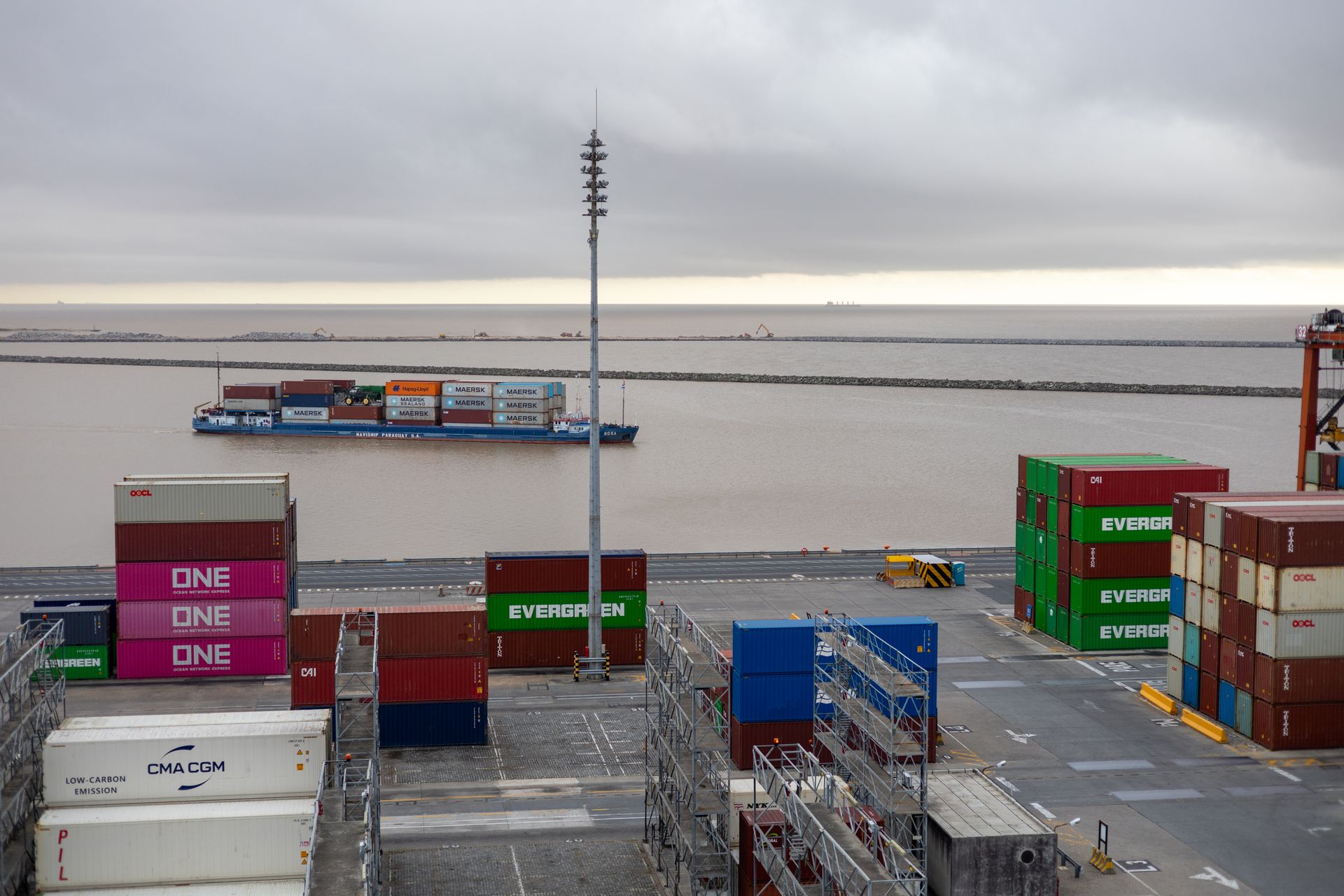
Bloomberg reported that Chinese state energy companies have drawn 1.9 million barrels a day from commercial crude stockpiles over the past three weeks - the highest rate since the Ukraine-war shock in early 2022. SCI Energy and Vortexa data show that 24% of stocks at Shandong and Tianjin terminals have been used; total commercial stocks sit at 850 million barrels, a six-month low.
The General Administration of Customs said crude imports in the first 15 days of June fell to 9.8 million barrels a day from 11.1 million in May. Wood Mackenzie analyst Sushant Gupta said state refiners are not prioritising Saudi Arabian and UAE cargoes that transit Hormuz, opting instead for Brazilian and Atlantic-linked cargoes. Sinopec and PetroChina spokespeople declined to comment.
Over the same period diesel and petrol consumption fell 4% from May; the manufacturing PMI of 49.1 is in contraction territory. That weak downstream demand limits the upward pressure on prices from the commercial-stock draw. Goldman Sachs analyst Daan Struyven said China's stockpile strategy could pull Brent prices 4-6 dollars lower in the near term; the National Development and Reform Commission (NDRC) said it may consider additional measures next week. Not investment advice.
Read next
Sea drone rescues U.S. Army Apache helicopter crew near the Strait of Hormuz
The Pentagon has confirmed that the two-crew complement of a U.S. Army Apache helicopter that went down on Monday roughly 60 nautical miles south-east of the Strait of Hormuz was rescued by an uncrewed sea drone. A Saildrone Surveyor-class remotely operated speedboat reached the scene in 53 minutes and delivered the crew to USS Carl Vinson.
Iran announces closure of Strait of Hormuz following U.S. strikes

Thousands march in Pakistan-administered Kashmir as clashes kill at least 15

Nigerian migrants flee South Africa after spike in xenophobic protests

France and Germany scrap FCAS combat aircraft project in major European defence setback