Winston Churchill's toughest decision: the choice historians still debate
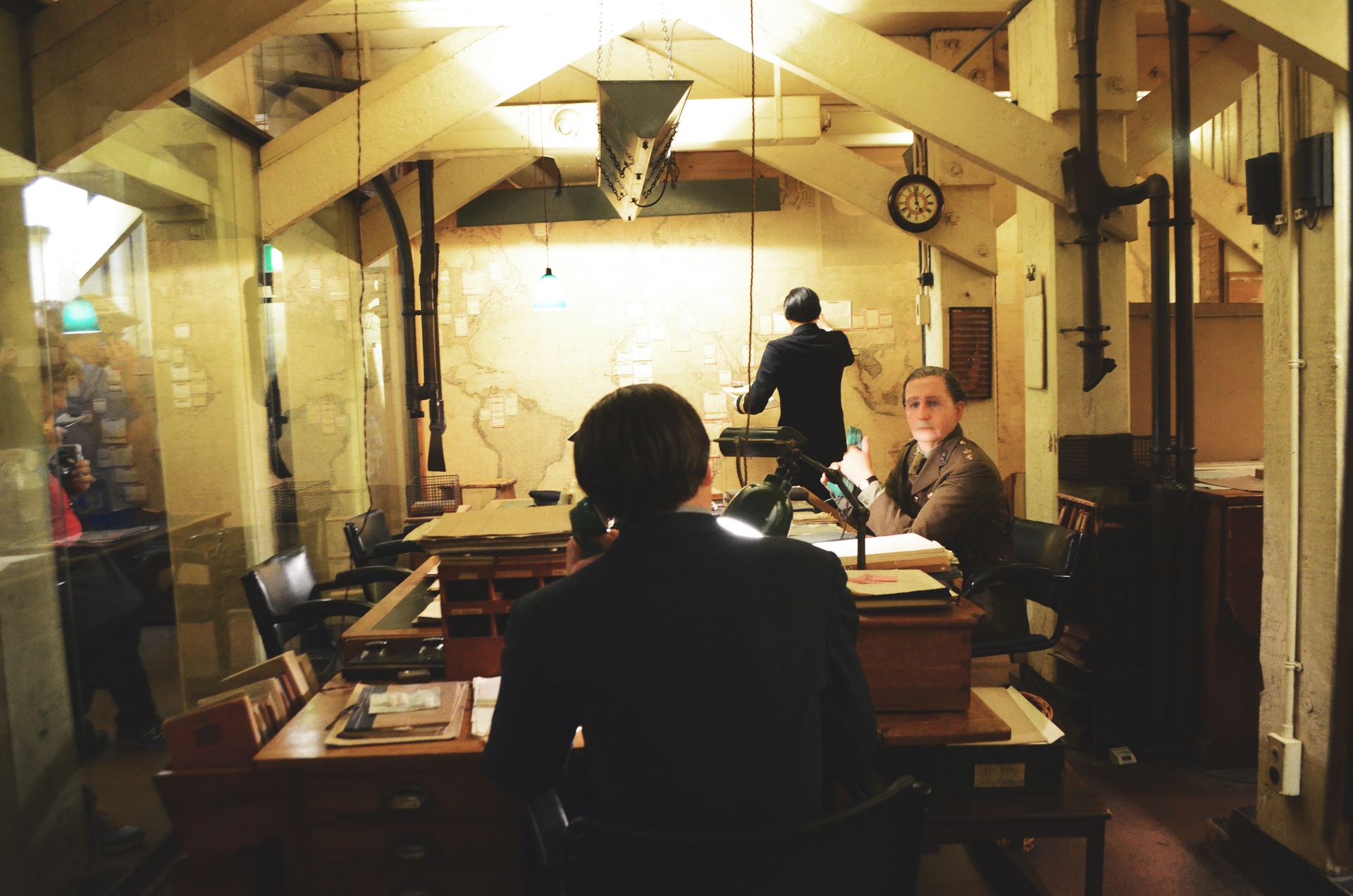
Among the hundreds of decisions Winston Churchill took as prime minister between 1940 and 1945, the question of which one weighed heaviest is an annual conference debate among historians. In a HistoryExtra podcast, three historians pick three different decisions.
First candidate: the attack on Mers-el-Kébir on 3 July 1940. After France's surrender the British navy was ordered to attack the French fleet off the Algerian coast. 1,297 French sailors died; technically, an allied fleet was sunk by a non-allied force.
Churchill's later memoirs describe the decision as "the most distressing order of my life". Historian Catherine Roberts told HistoryExtra the decision reduced to zero the chance of Hitler seizing the French fleet and shifted the Atlantic balance towards Britain.
Second candidate: the prioritisation of grain shipments to India during the 1944 Bengal famine. The famine in the Bengal region of India resulted, by historians' estimates, in the deaths of about three million people.
Churchill's period correspondence contains decisions that slowed grain shipments to India in order to redirect war shipping capacity to the European front. Historian Mukulika Banerjee told HistoryExtra the decision should be read as a case for comparing strategic logic with ethical cost.
The historical debate over the decision does not run along a single line. According to a 2019 review published in Canada, two separate chains should be analysed in the Bengal famine: direct administrative decisions and indirect military-logistical pressure. The responsibility under each chain is categorically different.
Third candidate: the 1942 "Bevin Boys" scheme for coal-mine labour. A substantial share of young conscripts were directed by lottery into coal mines rather than the front. The decision drew little moral debate at the time but met long internal-cabinet resistance.
Historian Tom Lendrum told the HistoryExtra podcast that this decision strengthened a state-society model by carrying energy-security logic into the language of national mobilisation. It was a decision to place the state's hand on the economic pore of a society at war.
Perhaps the most striking result of the discussion is that all three historians say Churchill could not have picked any single decision as "the toughest". All three say the weight of decisions shifts over time as war memory readjusts its moral measurements.
The deeper question the discussion leaves behind is how leaders' decisions are to be measured. Historical distance makes it possible to analyse wartime decision-making with relative composure, but the measurement instruments are also moving; today's reader's frame for evaluating Churchill differs from the one in use ninety years ago.
Read next
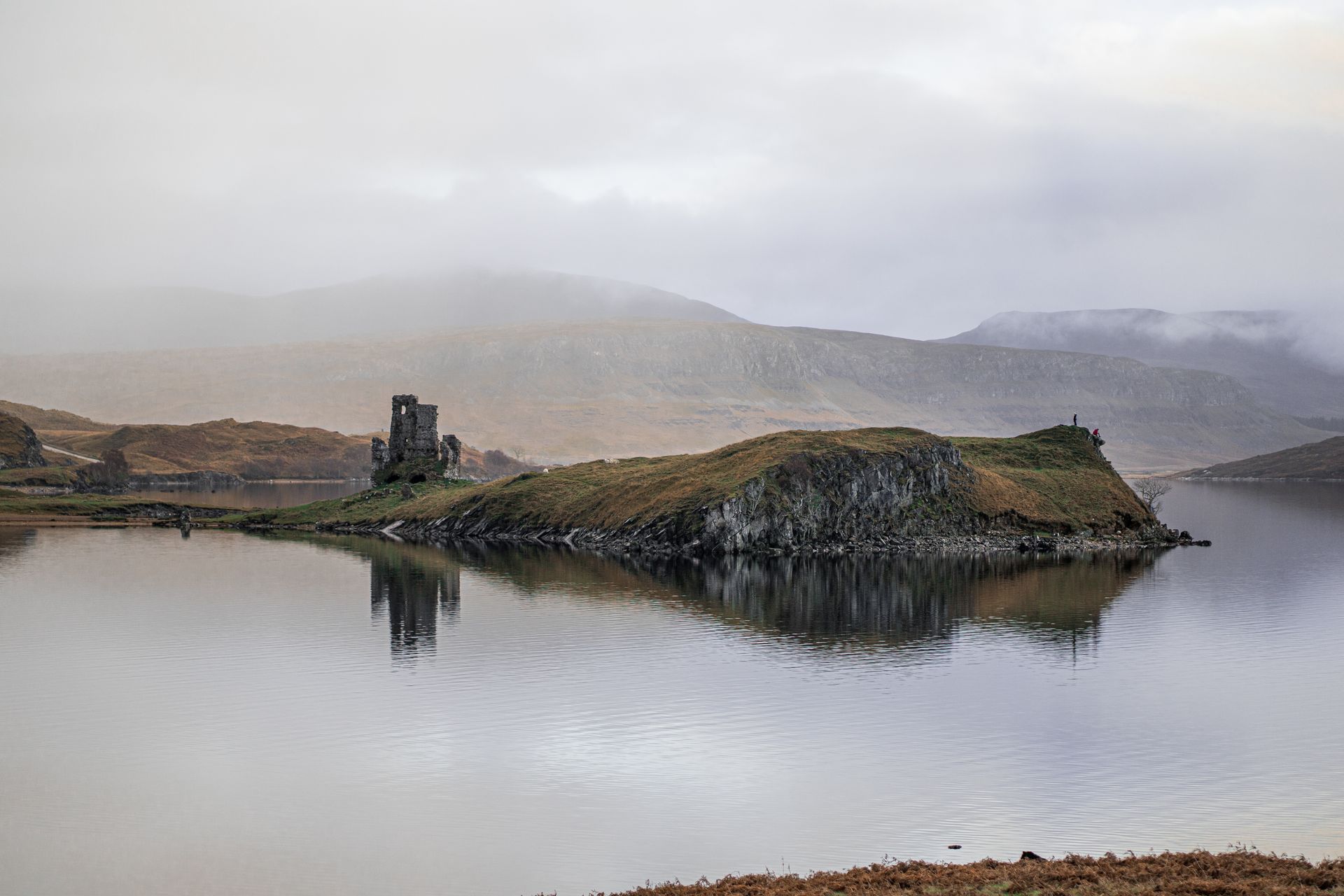
Loch Doon Castle: a medieval Scottish stronghold moved stone by stone in the 20th century
In south-west Scotland, Loch Doon Castle is known not as a 13th-century stronghold standing on its own but as a 1930s conservation project that lifted the original stone-by-stone away from a flood basin and rebuilt it. The Atlas Obscura entry makes the documentary case for the place.

Athens vs Sparta: who came out on top in ancient Greece's greatest rivalry?
Ancient Greece's two great city-states, Athens and Sparta, represented democracy and military discipline at the two tight ends of a historical rope. A HistoryExtra analysis asks who actually won that two-centuries-long rivalry, weighed across different yardsticks.

Churchill's evolving perspective on D-Day: from doubt to strategic expectation
According to HistoryExtra, Winston Churchill's approach to the Normandy landings (D-Day) underwent a deep shift between 1942 and 1944. A sceptical opening gave way to strategic expectation, shaped by Allied coordination.

Henry Paget: the British commander who lost a leg at Waterloo
HistoryExtra's 'life of the week' segment examines the career of Henry Paget, Marquess of Anglesey: his cavalry command at Waterloo, the loss of his leg and the political life that followed. Paget was a living witness of both military tactics and aristocratic politics.
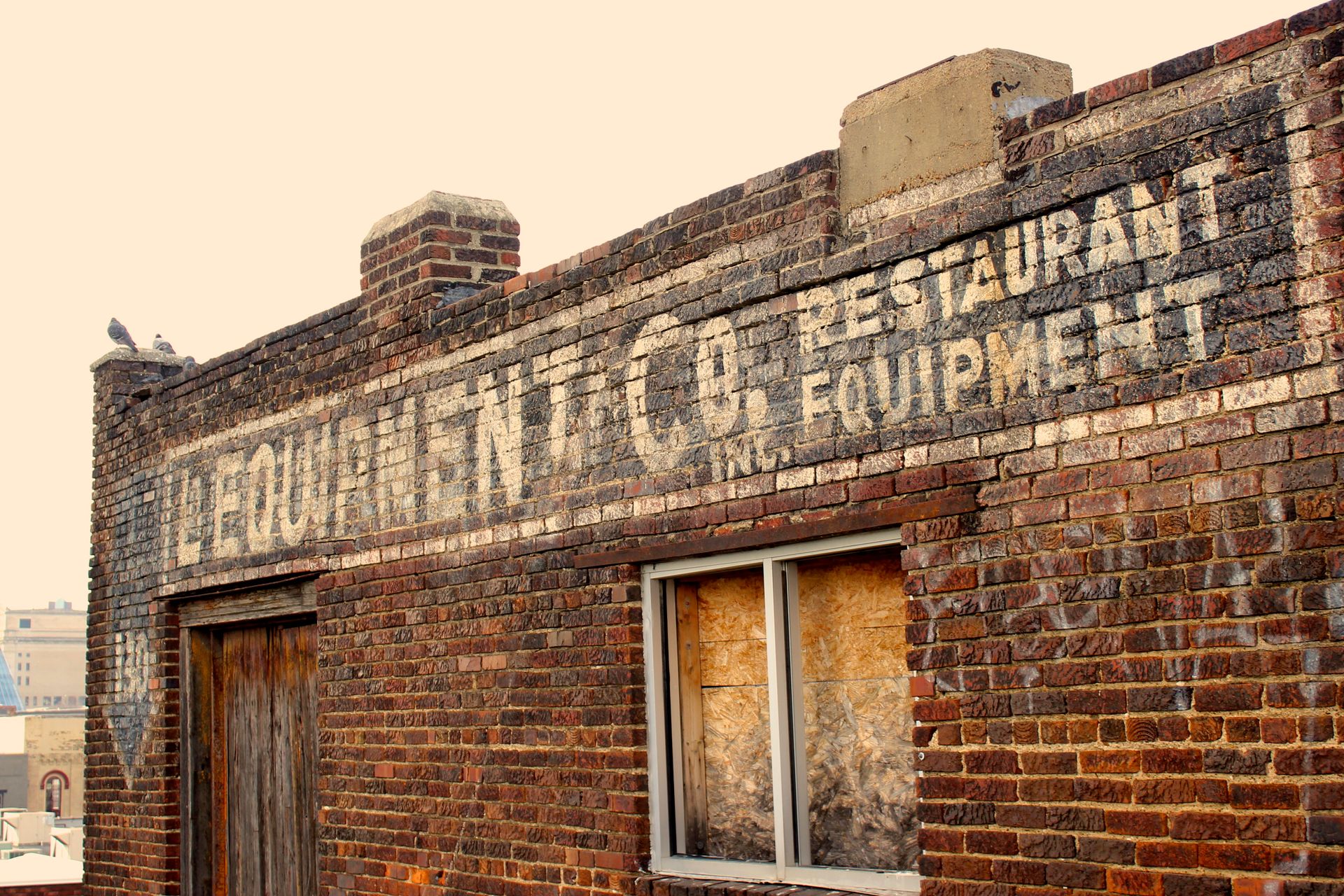
Inside the U.S. Radium Corporation site behind the Radium Girls case
According to Atlas Obscura, the former U.S. Radium Corporation site in New Jersey was the starting point of the workplace-health case known as the Radium Girls. Although only a marker survives, the site's legacy in occupational-safety law is enduring.