Athens vs Sparta: who came out on top in ancient Greece's greatest rivalry?

On the subject of ancient Greek history, the rivalry between Athens and Sparta is the most settled contrast in textbooks. A HistoryExtra analysis argues that no single yardstick is enough to determine the real victor — four separate axes are required.
The first axis is military. On this axis Sparta is clearly ahead. The Peloponnesian War from 431 to 404 BC ran for 27 years and the Sparta-led coalition broke Athens economically and militarily. The Athenian fleet was destroyed at Aegospotami in 405 BC.
The second axis is political legacy. The gap here runs the other way. The direct democracy developed in Athens was institutionalised through the reforms of Solon and Cleisthenes; that institutional template remains the oldest reference for modern representative democracies.
The third axis is cultural output. Sophocles, Aristophanes, Socrates, Plato and Aristotle came from the same city. Sparta deliberately withdrew on this axis: outside of military training and a narrow poetic tradition, it left no durable literary or philosophical legacy.
The fourth axis is institutional longevity. On this axis neither Athens nor Sparta is a success story. Athenian democracy fell in 322 BC under Antipater; Spartan society of "the Equals" collapsed from internal imbalances in the fourth century BC.
Historians speaking to HistoryExtra reframe the winner question through the lens of yardstick. By military signage, Sparta; by political signage, Athens; by cultural signage, indisputably Athens; by geopolitical signage, both lost.
Athens' recovery after the defeat in the Peloponnesian War was striking. Within forty years the city had rebuilt its navy and sustained its academy and theatre. After Sparta's defeat there was no recovery; the Battle of Leuctra in 371 BC sealed the loss of military prestige.
Athens' lasting impact is not only the concept of democracy. The city's Acropolis, its claim on urban planning and the form of public life built around the agora served as a model from Rome to Renaissance Florence for several modes of city-making.
Sparta's trace runs through a different channel. A range of modern educational, military and nationalist discourses have used Spartan discipline as a reference. That long echo does not show that the cultural consequences of military victory outweigh the result on the field — but it does not prove the reverse either.
This is why the story of Athens and Sparta is a question, not an answer. The lesson of ancient history is that the achievements of the two cities do not rest on a single scale; the historian has to choose which interrogator to use.
Read next
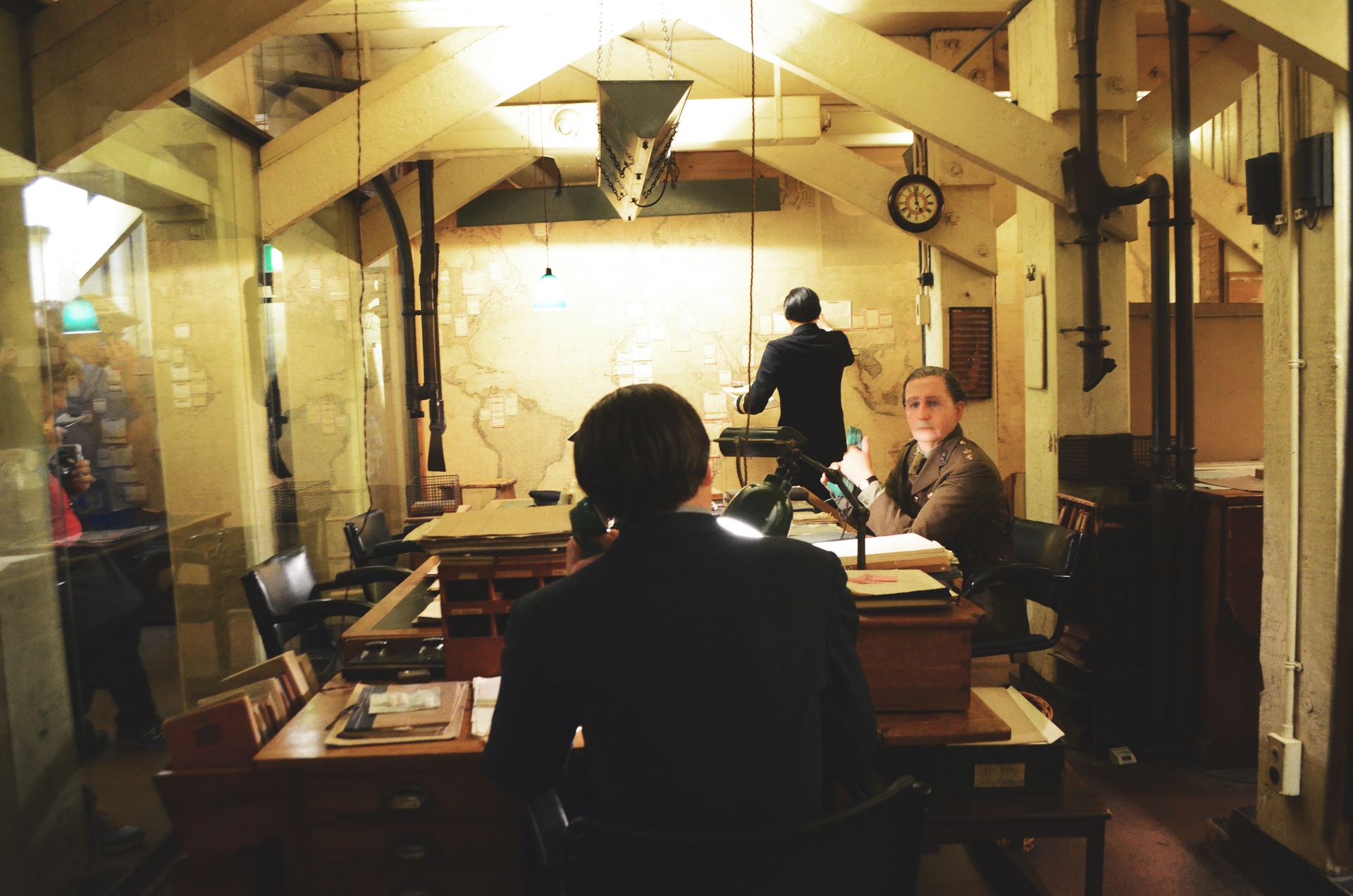
Winston Churchill's toughest decision: the choice historians still debate
Which of Winston Churchill's wartime decisions weighed heaviest is a question historiography has yet to settle. In a HistoryExtra podcast discussion, three different historians point to different decisions; Mers-el-Kébir, the coal-mining call and the Bengal famine sit at the centre.
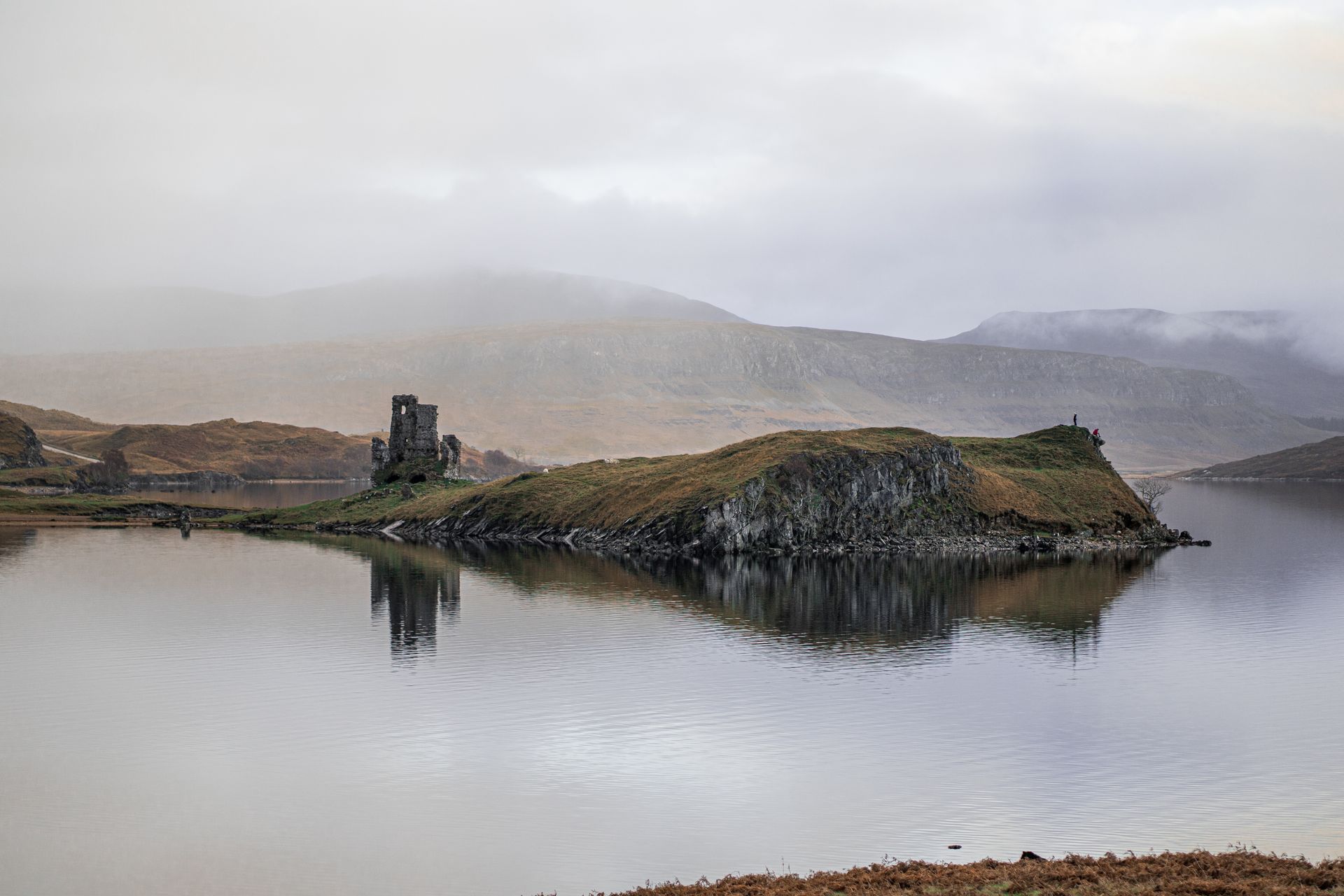
Loch Doon Castle: a medieval Scottish stronghold moved stone by stone in the 20th century
In south-west Scotland, Loch Doon Castle is known not as a 13th-century stronghold standing on its own but as a 1930s conservation project that lifted the original stone-by-stone away from a flood basin and rebuilt it. The Atlas Obscura entry makes the documentary case for the place.

Churchill's evolving perspective on D-Day: from doubt to strategic expectation
According to HistoryExtra, Winston Churchill's approach to the Normandy landings (D-Day) underwent a deep shift between 1942 and 1944. A sceptical opening gave way to strategic expectation, shaped by Allied coordination.

Henry Paget: the British commander who lost a leg at Waterloo
HistoryExtra's 'life of the week' segment examines the career of Henry Paget, Marquess of Anglesey: his cavalry command at Waterloo, the loss of his leg and the political life that followed. Paget was a living witness of both military tactics and aristocratic politics.

Inside the U.S. Radium Corporation site behind the Radium Girls case
According to Atlas Obscura, the former U.S. Radium Corporation site in New Jersey was the starting point of the workplace-health case known as the Radium Girls. Although only a marker survives, the site's legacy in occupational-safety law is enduring.