Loch Doon Castle: a medieval Scottish stronghold moved stone by stone in the 20th century
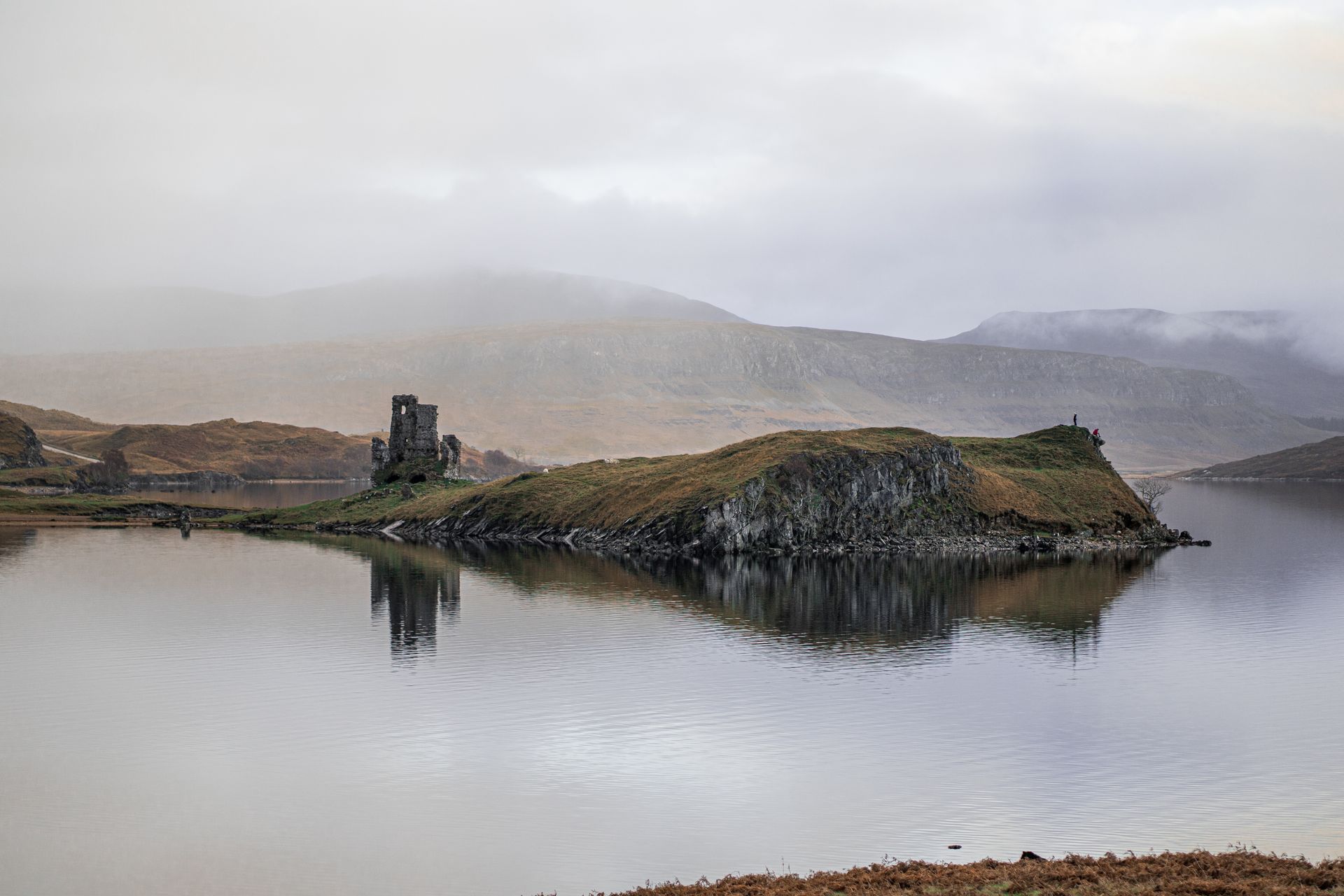
In south-west Scotland, on the edge of Galloway Forest Park, lies Loch Doon Castle. The Atlas Obscura conservation account says the castle now stands roughly 400 metres east of its original position.
The castle was built at the end of the 13th century by the Earldom of Carrick at the centre of what was then an island in the original Loch Doon. Its eleven-sided irregular polygonal plan followed the natural island lines of the area.
In the late 1920s, Scotland planned the Galloway Hydro-Electric Scheme. The scheme would raise the water level of Loch Doon by an average of six metres; the castle would be entirely submerged.
A conservation decision was reached in 1934. The Scottish Office announced that the original walls of the castle would be dismantled stone by stone and rebuilt above the existing shoreline at a point above the planned water level.
For the conditions of the period, the project was ambitious. Each stone was numbered, drawn and tracked like a collection catalogue. Workers moved blocks of an average 600 kilograms each on wheeled barrows.
According to Leon Brittain's 1937 review, the rebuild restored seven of the eleven sides in their original sequence. The remaining four sides were completed with local stone, the original blocks being missing or too weathered to use.
Loch Doon Castle's historical importance is not only registered in Historic Scotland records. In 1306, after the defeat at Methven, Robert the Bruce briefly took shelter here; the location is therefore part of the documented geography of the Scottish War of Independence.
The castle is open free of charge to visitors all year round. The only standing structure is the curtain wall preserved during the move; the internal structures, with their fourteenth-century woodwork, were lost. An on-site panel describes the stone-moving operation.
The castle's conservation story is regarded as one of Britain's first major case studies of moved heritage in modern conservation practice. The UNESCO-coordinated relocation of Abu Simbel in Egypt in 1968 was the international answer, one continent later, to the Loch Doon Castle model.
The enduring lesson of this modest castle is that a conservation decision can rest not only on "site inviolability" but also on a concept of "movable authenticity". Loch Doon stands as a stone-by-stone account of a case that refused to freeze heritage in place.
Read next
Winston Churchill's toughest decision: the choice historians still debate
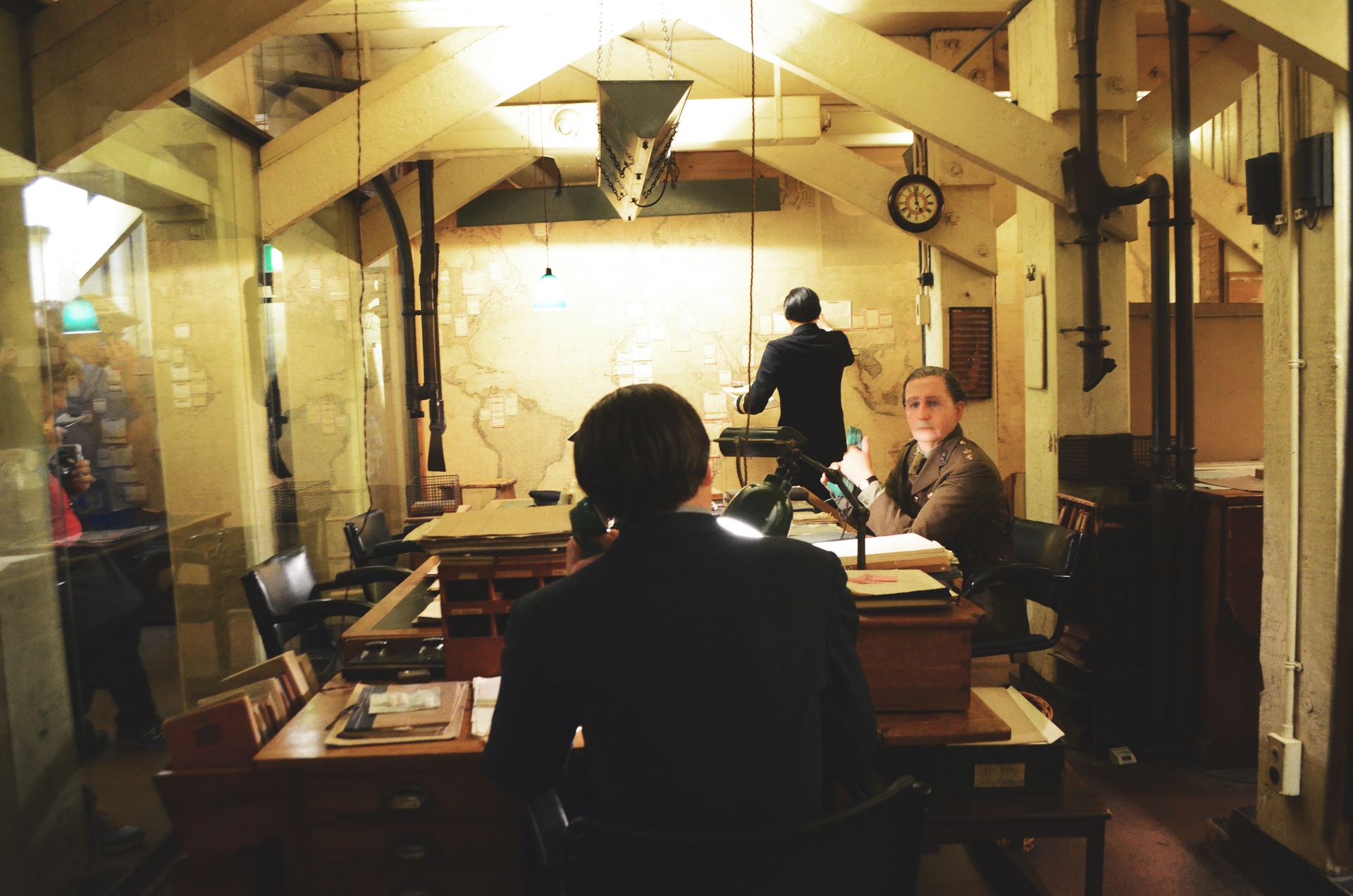
Which of Winston Churchill's wartime decisions weighed heaviest is a question historiography has yet to settle. In a HistoryExtra podcast discussion, three different historians point to different decisions; Mers-el-Kébir, the coal-mining call and the Bengal famine sit at the centre.

Athens vs Sparta: who came out on top in ancient Greece's greatest rivalry?
Ancient Greece's two great city-states, Athens and Sparta, represented democracy and military discipline at the two tight ends of a historical rope. A HistoryExtra analysis asks who actually won that two-centuries-long rivalry, weighed across different yardsticks.

Churchill's evolving perspective on D-Day: from doubt to strategic expectation
According to HistoryExtra, Winston Churchill's approach to the Normandy landings (D-Day) underwent a deep shift between 1942 and 1944. A sceptical opening gave way to strategic expectation, shaped by Allied coordination.

Henry Paget: the British commander who lost a leg at Waterloo
HistoryExtra's 'life of the week' segment examines the career of Henry Paget, Marquess of Anglesey: his cavalry command at Waterloo, the loss of his leg and the political life that followed. Paget was a living witness of both military tactics and aristocratic politics.
Inside the U.S. Radium Corporation site behind the Radium Girls case
According to Atlas Obscura, the former U.S. Radium Corporation site in New Jersey was the starting point of the workplace-health case known as the Radium Girls. Although only a marker survives, the site's legacy in occupational-safety law is enduring.