Inside the U.S. Radium Corporation site behind the Radium Girls case
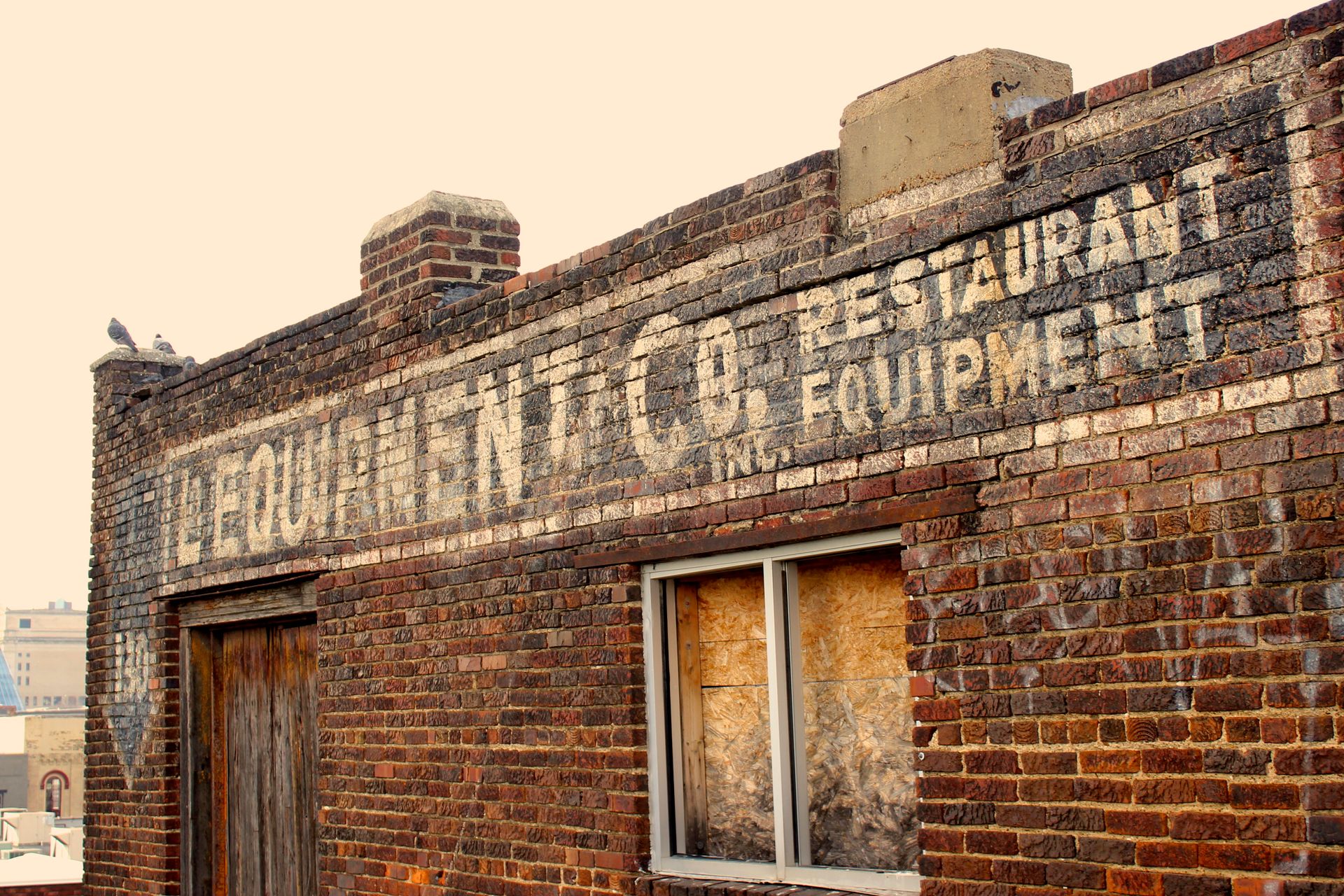
On a quiet street in the New Jersey town of Orange once stood the factory that became the centre of a drama that would reshape workplace-health law worldwide. Atlas Obscura describes the former U.S. Radium Corporation site as a place marked only by a small plaque but historically layered.
The factory opened in 1917 to produce radium-based luminous paints, one of the period's notable innovations. Women hired as dial painters applied the paint to military and civilian watch faces with the smallest of brush tips. To keep their lines sharp, they would point the brushes with their lips.
The workers were told the work was safe; the scientific knowledge that radium was a deadly radioactive element was denied by production managers. As Atlas Obscura reports, by the mid-1920s serious health problems — jaw bone necrosis, anaemia and sarcomas — began to spread among the workers.
The group of women now remembered as the Radium Girls took the company to court. The 1928 case, led by Grace Fryer, was a watershed for its era: it established a precedent that an employer could be held liable for harm to employees from workplace exposure. The monetary settlement was symbolic, but the legal principle endured.
The case is considered one of the launch points of US workplace safety reform. According to Atlas Obscura, the legal and political processes that later led to the creation of the Occupational Safety and Health Administration (OSHA) were directly connected to the path the Radium Girls had opened.
The factory closed in 1926, but radioactive residues lingered on site for decades. In the 1980s the Environmental Protection Agency (EPA) added the site to the Superfund cleanup list. Decontamination of soil and groundwater was largely completed in the 2000s.
Today no trace of the factory or the original buildings remains on the site. Atlas Obscura notes that only a small marker informs visitors that 'this was the place where the Radium Girls worked and fought.' Historians point out that this plain marker continues to remind passers-by of the origin of America's twenty-first century workplace-safety framework.
The story has international resonance. After the Second World War, occupational health regulation in Canada, the United Kingdom and Europe was shaped by similar tragedies. Uranium mines in Saxony, radium ore operations in Belgium and the health damage at Soviet-era sites can be read as part of one historical arc.
On the cultural memory side, the Radium Girls have been kept alive in both documentary and fictional storytelling. Kate Moore's book 'The Radium Girls' (2017) is one of the best-known post-academic revivals of the story, and it has also been adapted for theatre and musicals.
Atlas Obscura tells visitors that this is a place 'not to see, but to understand.' Because while only a small plaque is visible, beneath this street sits one of the foundational stones of modern labour law.
Read next

Churchill's evolving perspective on D-Day: from doubt to strategic expectation
According to HistoryExtra, Winston Churchill's approach to the Normandy landings (D-Day) underwent a deep shift between 1942 and 1944. A sceptical opening gave way to strategic expectation, shaped by Allied coordination.

Henry Paget: the British commander who lost a leg at Waterloo
HistoryExtra's 'life of the week' segment examines the career of Henry Paget, Marquess of Anglesey: his cavalry command at Waterloo, the loss of his leg and the political life that followed. Paget was a living witness of both military tactics and aristocratic politics.

The temples of Old Pune: a stone-carved record of Maratha heritage
Atlas Obscura examines how the temples of Pune's old quarters preserve a record of Maratha political and architectural heritage stretching from the 17th to the 19th century. The piece sets out how the layout of neighbourhoods and the network of temples have shaped the city's historical memory.
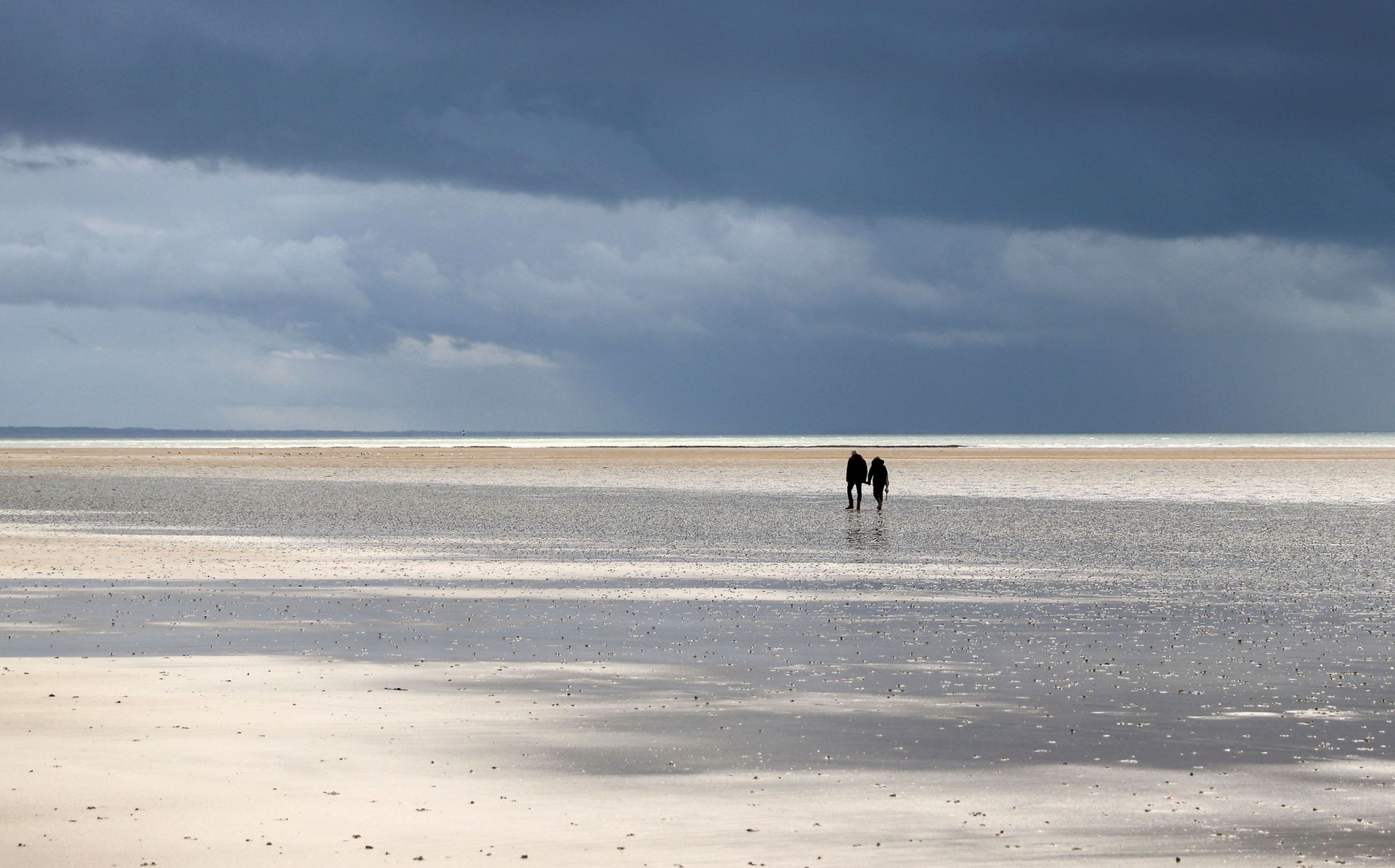
The seaborne invasion: the forgotten heroes of D-Day and Operation Neptune in the battle for Normandy
HistoryExtra examines Operation Neptune, the often-overshadowed naval side of D-Day, and the role of the Allied fleets in landing forces on the Normandy beaches and establishing the front line. The piece draws on archival records to set out the technical and human contributions of the sailors and engineers.

Wilder than Bridgerton: inside the scandalous world of Georgian masked balls
HistoryExtra explores how the Georgian masked balls of 18th-century Britain loosened social, cultural and sexual codes. The piece compiles archival records to show the complex interactions that thrived under anonymity, well beyond the polite romance of the Bridgerton television series.
