Top five-a-day foods a new study says your heart needs

Britain's fruit and vegetable advice fits in a single phrase: five a day. A new analysis summarised by the BBC argues the composition of those five portions determines most of the outcome.
The study compares the dietary diaries of hundreds of thousands of adults tracked for more than a decade with their cardiovascular outcomes. The researchers single out five food groups associated with the steepest drops in heart attack and stroke risk.
The list clusters around five foods: leafy greens, red berries, citrus, pulses and nuts. Each brings a distinct profile — fibre, polyphenols or plant-based protein.
The effect of leafy greens is attributed to their nitrate and vitamin K content. According to the study, adults who eat a handful of spinach, kale or rocket a day post measurably lower blood-pressure readings on average.
Red berries — blueberries, blackberries, strawberries — stand out for their anthocyanin load. Smaller earlier studies had already linked those compounds to reduced inflammation in artery walls.
Citrus — oranges, mandarins and grapefruit — make the list as the main source of hesperidin, a flavonoid that can indirectly lower blood pressure, alongside vitamin C.
Pulses — beans, lentils, chickpeas — produce a measurable drop in LDL cholesterol when they replace refined grain or processed meat. The study points to three or four portions a week as the threshold.
Nuts — especially walnuts, almonds and hazelnuts — hold their heart-friendly profile despite being high in fat. A handful a day, roughly 30 grams, gives the clearest protective signal in the data.
Experts stress the list is a prioritisation, not a prescription. The benefit of carbohydrate-rich plants like potatoes, corn and bananas still stands; the study only measures which foods stand out when the question is narrowed to the heart.
Vesper covers health and medical research for information only; this article is not medical advice. Dietary changes should be discussed with a clinician or registered dietitian.
Read next

Is the rise of GLP-1s reshaping ideas of Black beauty?
The mainstreaming of GLP-1 obesity drugs is reigniting a conversation about cultural beauty standards. A long Guardian feature explores how settled ideas about body aesthetics in Black women's culture are entering a new test.
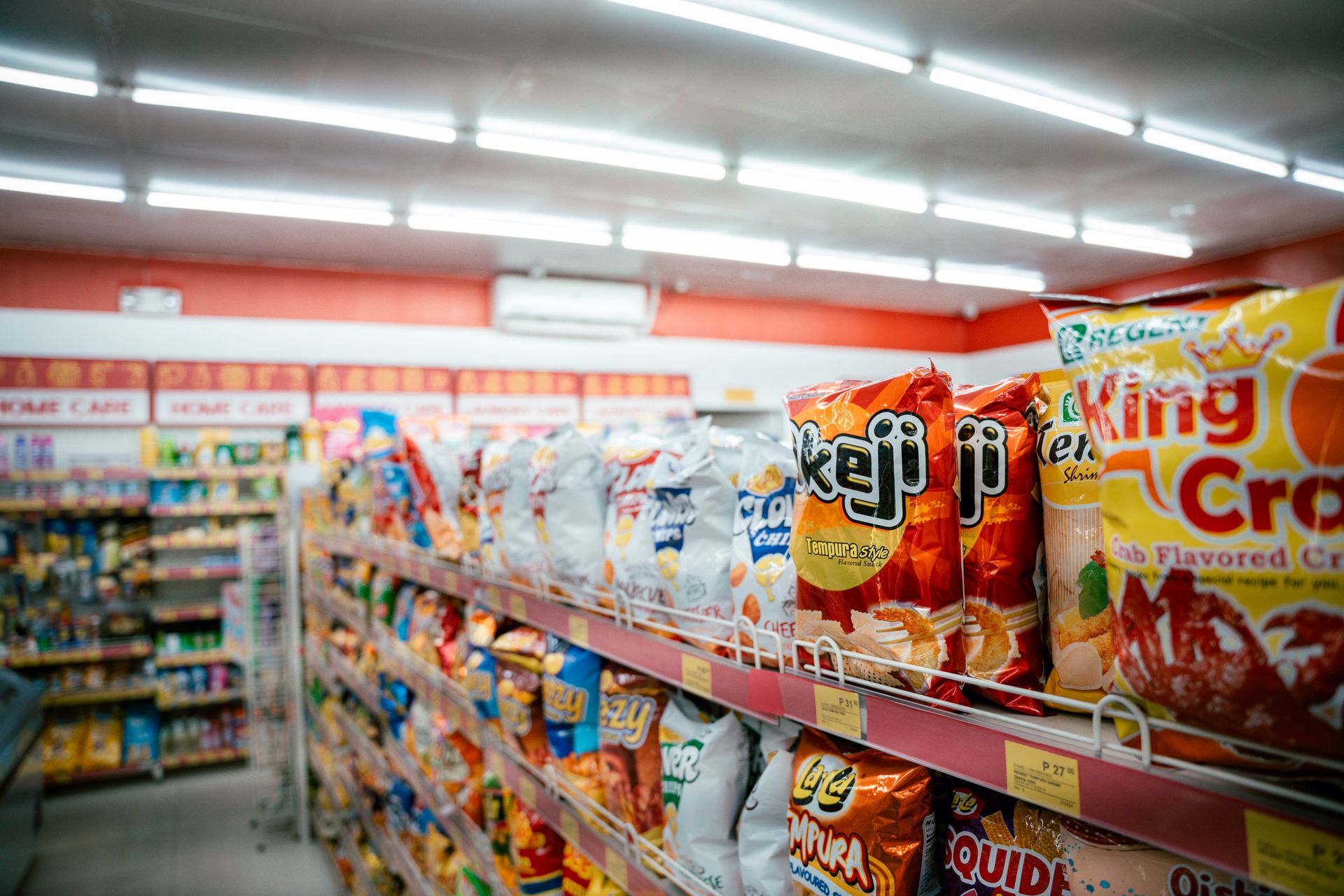
How ultra-processed foods may be stealing your focus, even if you eat healthy
A new study finds ultra-processed foods leave a measurable mark on attention and short-term memory even when the rest of the day's diet is healthy. The findings, summarised by Science Daily, tie nutrition science back into the debate over focus.

Extreme heat will double US hospitalisations by 2040, new study warns
A research team says that if the current climate trajectory holds, US heat-related hospitalisations will double by 2040. The study, summarised by the Guardian, finds health systems "woefully unprepared" for the load.

OB-GYN association issues its own vaccine schedule for pregnancy, diverging from CDC guidance
The American College of Obstetricians and Gynecologists has issued its own set of vaccine recommendations for pregnancy that diverges from CDC guidance, STAT News reports. The college says the decision is based on clinical evidence; the dispute draws a line in how prenatal care is governed.
Why some cancer treatments stop working: the resistance biology researchers are mapping
Researchers have identified a hidden cellular mechanism that allows tumour cells to shrug off the most advanced therapies. The study, summarised by Science Daily, points to a new way to predict and reverse drug resistance — one of oncology's hardest problems.