NHS rolls out injectable form of cancer immunotherapy that saves patients hours in hospital
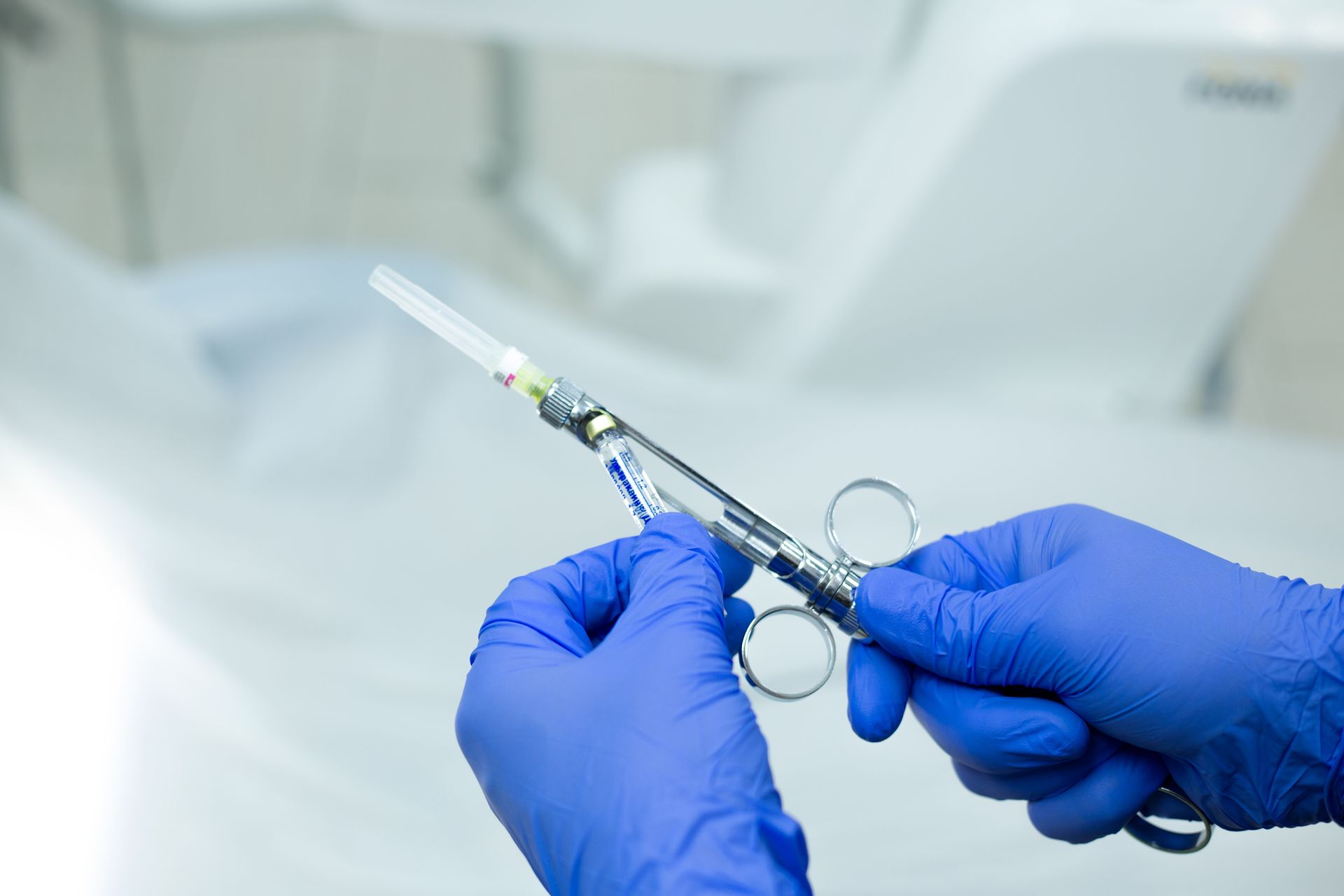
England's NHS has begun rolling out a new subcutaneous form of the cancer immunotherapy pembrolizumab. Replacing a two-hour intravenous infusion, the new injection takes about seven minutes to administer. The NHS estimates the change will affect at least 15,000 patients in its first year and free up around one million hours of capacity across cancer treatment units.
Pembrolizumab is one of the standard immunotherapy options for lung cancer, melanoma, kidney cancer and several other cancer types. As a PD-1 receptor inhibitor, the drug stops cancer cells from hiding from the immune system, allowing the body's own T-cells to target the tumour. The NHS said the rollout starts at Christie Hospital in Manchester and the Royal Marsden in London, with around 90 further units to be added in the coming months.
The new subcutaneous formulation, manufactured by MSD (known as Merck in the United States), pairs the active ingredient with hyaluronidase to enable a thick subcutaneous delivery. Phase III evaluation by NICE found that the new form had the same clinical efficacy as the intravenous version and that patients reported on average that the treatment process was about 80 percent shorter.
The practical effect for patients is significant. Helen Williams, a 62-year-old melanoma patient in Bristol, told the BBC: "A treatment day used to take my whole day — I had to arrange my work, my transport, the recovery time after the fatigue. With the new form, it's a long lunch break." Williams will continue her treatment cycle on the new form for the next nine months.
NHS England's national medical director, Dr Stephen Powis, described the decision as one of the most important operational improvements at the NHS in recent years. "Speeding up cancer patients' access to treatment and reducing waiting times in our cancer pathways is one of our biggest priorities," he said. "This change benefits not only patients but also our cancer nurses and clinical staff, whose workloads it will help reduce."
Financially, the deal negotiated between MSD and the NHS includes a 12 percent reduction in the per-patient cost of the drug. Michelle Mitchell, chief executive of Cancer Research UK, said: "This is a good example of how pharmaceutical companies investing in time-saving formulations can negotiate mutually beneficial deals with the NHS."
In the past few years, the European Medicines Agency (EMA) and the UK's MHRA have approved four cancer immunotherapies in subcutaneous form. Alongside pembrolizumab, durvalumab, atezolizumab and nivolumab are now available as injections. The rapidly expanding catalogue of options points to a structural shift in which cancer treatment may increasingly take place not in hospital day units but in community health settings.
In terms of administration, the subcutaneous form of pembrolizumab is given every six weeks; the existing intravenous form could be given every three or six weeks. The side-effect profile of the new form is similar to the intravenous form, with the most common adverse effects listed as fatigue, itching and rash. Pain at the injection site was reported in 14 percent of patients, with only two percent reporting moderate-to-severe pain.
The NHS is initially making the new form available only to patients eligible for the same indications as intravenous pembrolizumab. The number of treating hospitals is expected to rise to 50 within three months and to 90 within six. NHS Scotland and NHS Wales have signalled intentions to begin parallel rollouts within their own systems.
Given where cancer treatment was a few years ago, an immunotherapy injection delivered in around five minutes is a tangible improvement to patients' lives. For patients, it edges toward a model of treatment that is less dependent on the hospital setting; for the system, the freed-up hours mean appointments that can be opened up to new patients.