How the adult brain repairs itself: what new research reveals
For decades, the prevailing view in neuroscience held that the adult brain has strikingly little capacity to repair itself after injury. Unlike organs such as the liver or heart, brain tissue was thought to be largely fixed in place, with damaged regions typically sealed off by scar tissue rather than restored, and lost function rarely regained. A new study offers findings that could meaningfully shift that picture.
Researchers studied astrocytes in mice, a type of glial cell that supports and nourishes neurons. For a long time, astrocytes were viewed mainly as "support staff" — cells that help neurons function but don't themselves play an active role in repair. The new findings turn that assumption on its head.
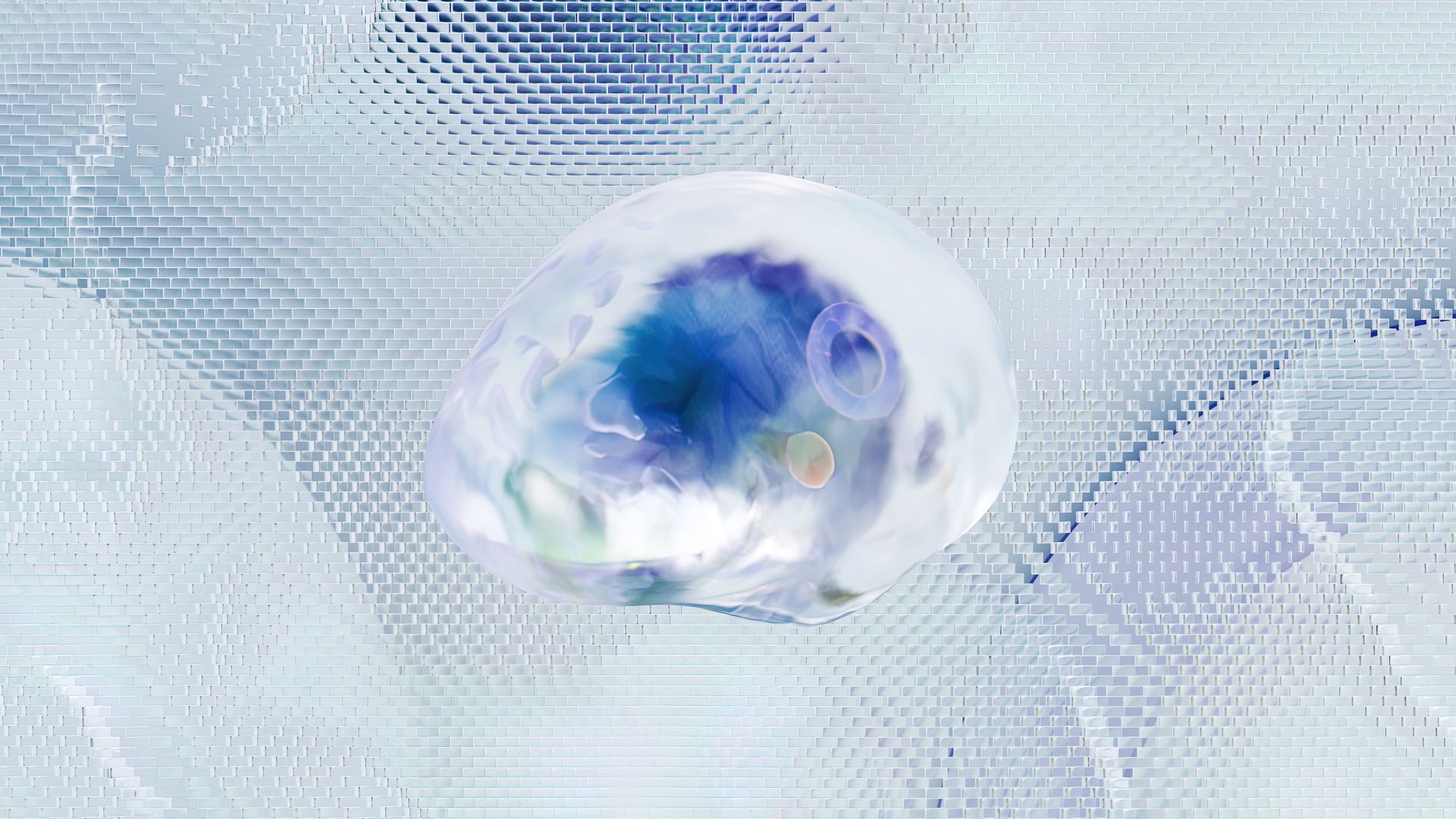
The team observed that when brain tissue is damaged, astrocytes don't simply migrate toward the injured area. Instead, they carry out a far more elaborate maneuver: the cells generate new nuclei and send them travelling along long cellular extensions toward the damaged tissue. This process appears to help rebuild cellular networks that were lost in the injured region.
The finding is striking because moving a nucleus is an unusual event in cell biology. In most cell types, the nucleus stays fixed near the centre of the cell, safeguarding its genetic material. That astrocytes can relocate their nuclei over such distances suggests these cells play a far more active and dynamic role in post-injury repair than scientists previously assumed.
The results so far come from mouse models, so direct applicability to humans hasn't yet been demonstrated. However, because astrocytes are a highly conserved cell type across mammalian brains, researchers believe a similar mechanism could exist in the human brain as well. Confirming that possibility will be a focus of future research.
The potential clinical significance of the discovery is considerable. Stroke, traumatic brain injury, and certain neurodegenerative conditions all cause permanent loss of brain tissue, and current treatments largely focus on limiting further damage rather than restoring what's already been lost. If this astrocyte repair mechanism operates in humans too, and scientists can find a way to enhance it, that could open the door to a meaningfully different treatment approach.
Researchers are keeping their optimism measured. There is typically a long path — often years, sometimes decades — between observing a cellular mechanism in mice and translating it into a safe, effective treatment for people. Next steps include investigating whether this process also occurs in human brain tissue and identifying the signals that trigger astrocytes' repair capacity in the first place.
Still, neuroscientists consider findings like this significant because they challenge the long-held assumption that the adult brain is essentially fixed. Over the past two decades, it has become increasingly accepted that the brain retains far more plasticity than once believed; this new research offers another example of just how deep that flexibility may run, down to the cellular level.
Ultimately, the study broadens what is known about the brain's capacity for self-repair and could eventually inform new treatment strategies to support recovery after stroke or trauma. But the scientists involved are careful to stress that human applications remain a distant goal — this is still an early step on that path.
Read next

California bans paraquat, the toxic pesticide linked to Parkinson's disease
California, the largest US user of paraquat, is banning the highly toxic herbicide used across millions of acres of American farmland. Public health advocates describe it as a chemical with a near-proven link to Parkinson's disease, and it is already outlawed in more than 70 countries.

Brain implants for depression: what patients actually want from the technology
A new study surveyed people living with treatment-resistant depression about what matters most to them when it comes to brain implants for mental health. The findings suggest patients care as much about control, transparency and reversibility as they do about symptom relief.
3,500-year-old skeletons are rewriting what scientists know about syphilis
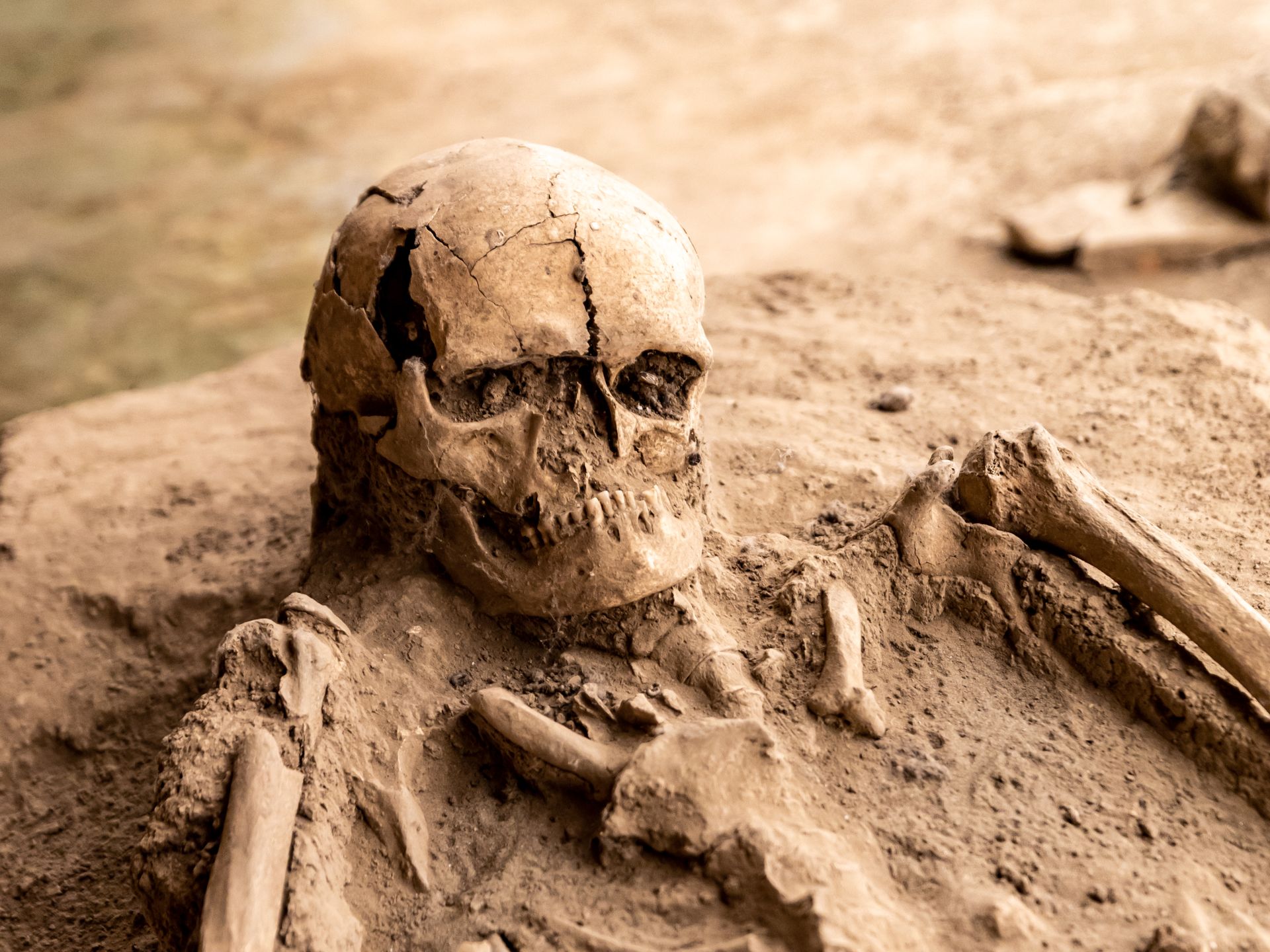
Ancient remains from Vietnam suggest that diseases in the same family as syphilis, such as yaws, may have been passed from mother to child thousands of years ago, a transmission pattern often assumed to point specifically to syphilis. The find could reshape how scientists interpret ancient infections and the long-running mystery of where syphilis truly originated.
Breast cancer self-checks: how to examine yourself at home
Actress Lucy Davis says the change she found was not a classic 'lump' but a small hard spot, prompting her to urge women to check their breasts regularly. Doctors explain what a proper self-check involves and which changes warrant a GP visit.

Solar eclipse eye damage: the warning signs to watch for
Looking at the sun without proper eclipse glasses can cause solar retinopathy, a form of retinal damage that may not hurt at first but can permanently affect vision. Doctors explain which symptoms mean you should see an eye specialist urgently.