3,500-year-old skeletons are rewriting what scientists know about syphilis
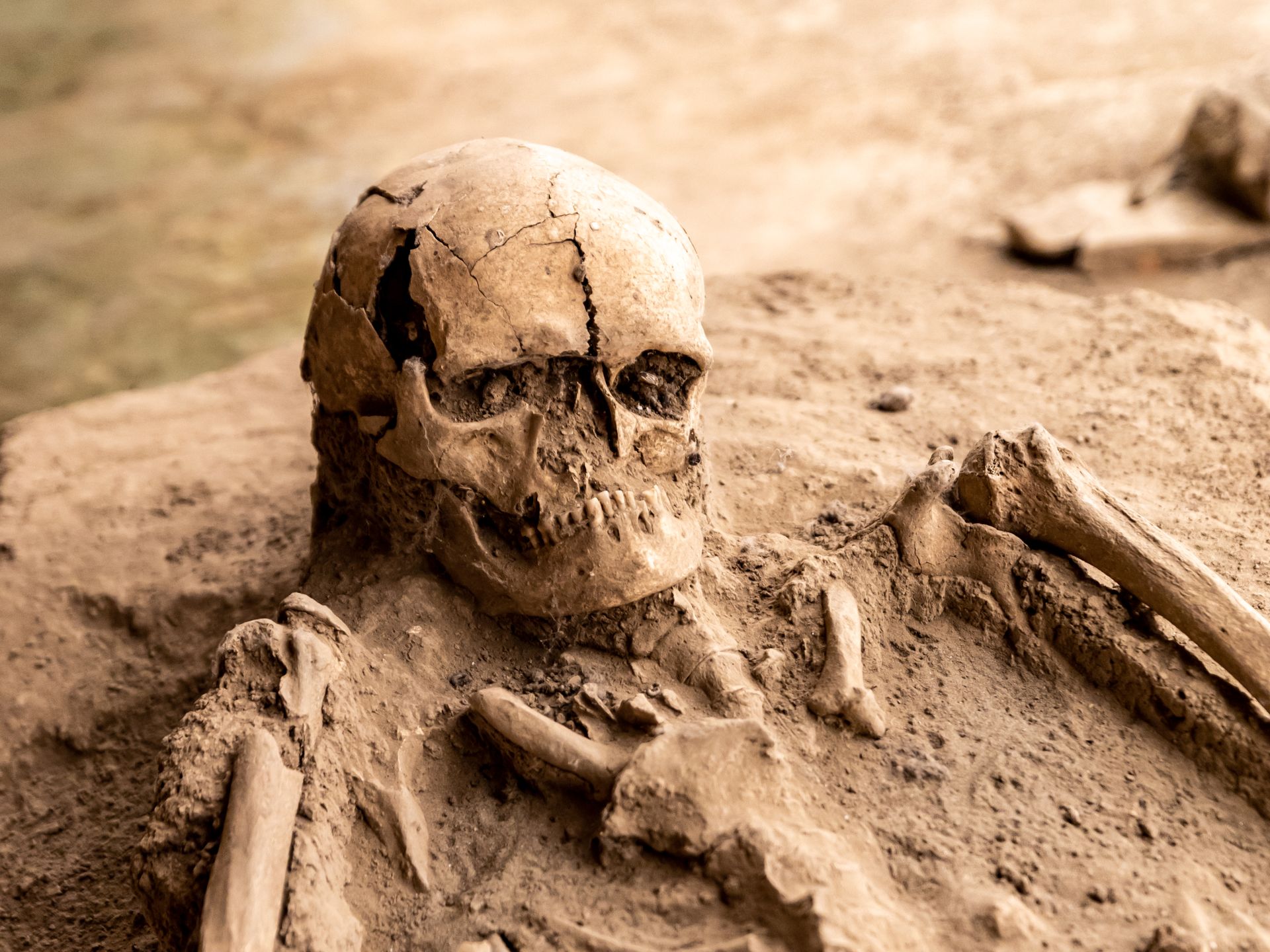
Where syphilis actually came from is one of the longest-running debates in medical history. One camp holds that the disease crossed from the Americas to Europe following Christopher Columbus's voyages; another argues it existed in the Old World long before that, simply going unrecognised as a distinct disease. Skeletal remains from Vietnam, dated to roughly 3,500 years ago, are now adding an unexpected wrinkle to that debate.
Researchers found traces of bacteria from the Treponema family in the remains — the same bacterial genus responsible for syphilis. But that family also includes yaws, a non-sexually-transmitted tropical disease that affects skin and bone. The bone lesions found in the remains suggest the infection passed between mother and child, likely during pregnancy or birth.
That distinction matters enormously to scientists. Mother-to-child transmission has historically been interpreted as a signature specific to syphilis, since syphilis is known to be sexually transmitted and capable of passing from a mother to her unborn child. But the new finding shows that non-sexually-transmitted relatives like yaws can apparently follow a similar mother-to-child transmission route.
That matters because it directly affects how archaeologists interpret disease evidence in ancient remains. If a skeleton shows signs of mother-to-child transmission, and scientists automatically attribute that to syphilis, it risks producing a mistaken timeline or an incorrect story about the disease's geographic origin. The new finding suggests that kind of interpretation needs to be made far more cautiously.
The Treponema bacterial family consists of closely related species that are difficult to distinguish even with DNA analysis. Syphilis, yaws, pinta, and bejel all stem from the same bacterial genus but present with different transmission routes and symptoms. Ancient DNA, which tends to be degraded and fragmentary, makes distinguishing between these species even more difficult.
The Vietnam find is significant in part because Southeast Asia has been a relatively understudied region in the syphilis-origin debate, which has mostly focused on remains from Europe and the Americas. That these remains date back roughly 3,500 years — thousands of years before Columbus reached the Americas — hints that this disease family may already have existed in Asia in the pre-Columbian era, though researchers are careful to note this may point to a related disease rather than syphilis itself.
Researchers stress that the finding doesn't definitively resolve the syphilis debate, but it does add a valuable new data point to a long-running conversation. Next steps include applying more advanced ancient-DNA techniques to pin down more precisely which species of bacteria was present in the remains — techniques that have become considerably more sensitive in recent years, capable of distinctions that were previously impossible.
The research also carries an echo in modern medicine: yaws remains a genuine public health issue in some tropical regions today, particularly affecting children, and the World Health Organization runs a programme aimed at eradicating it entirely. Understanding the thousands-of-years-long history of this bacterial family gives today's eradication efforts useful scientific context.
Ultimately, these 3,500-year-old remains turn the history of syphilis and its relatives into a far more complicated picture than a simple "before or after Columbus" question. For scientists, the real takeaway is that interpreting ancient disease evidence requires accounting for the full diversity within this bacterial family.
Read next
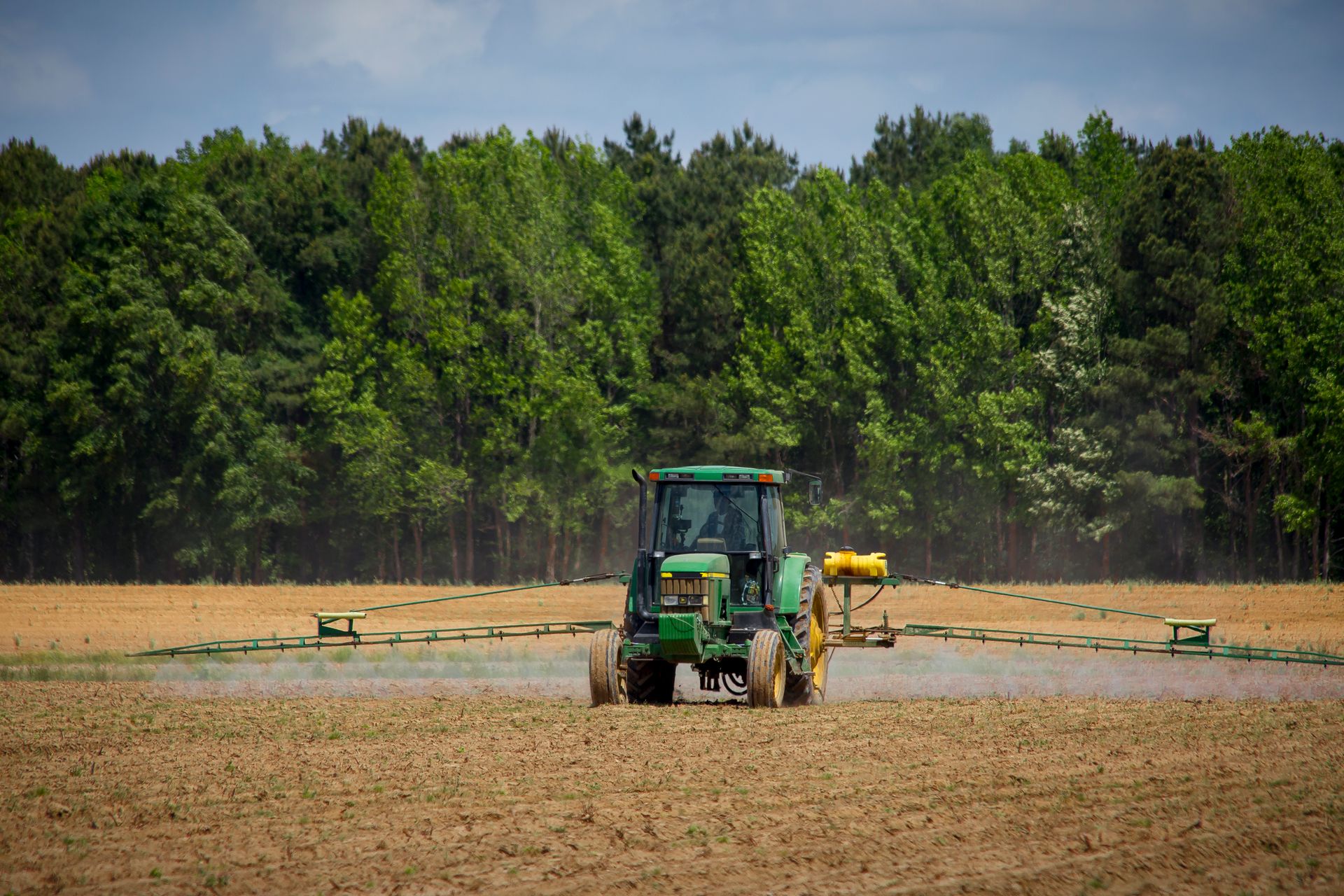
California bans paraquat, the toxic pesticide linked to Parkinson's disease
California, the largest US user of paraquat, is banning the highly toxic herbicide used across millions of acres of American farmland. Public health advocates describe it as a chemical with a near-proven link to Parkinson's disease, and it is already outlawed in more than 70 countries.

Brain implants for depression: what patients actually want from the technology
A new study surveyed people living with treatment-resistant depression about what matters most to them when it comes to brain implants for mental health. The findings suggest patients care as much about control, transparency and reversibility as they do about symptom relief.
How the adult brain repairs itself: what new research reveals
Researchers found that in mice, support cells called astrocytes respond to brain injury by growing new nuclei and sending them along long cellular extensions to repopulate damaged tissue. The discovery suggests the adult brain has far more capacity for self-repair than previously believed.
Breast cancer self-checks: how to examine yourself at home
Actress Lucy Davis says the change she found was not a classic 'lump' but a small hard spot, prompting her to urge women to check their breasts regularly. Doctors explain what a proper self-check involves and which changes warrant a GP visit.

Solar eclipse eye damage: the warning signs to watch for
Looking at the sun without proper eclipse glasses can cause solar retinopathy, a form of retinal damage that may not hurt at first but can permanently affect vision. Doctors explain which symptoms mean you should see an eye specialist urgently.