California bans paraquat, the toxic pesticide linked to Parkinson's disease
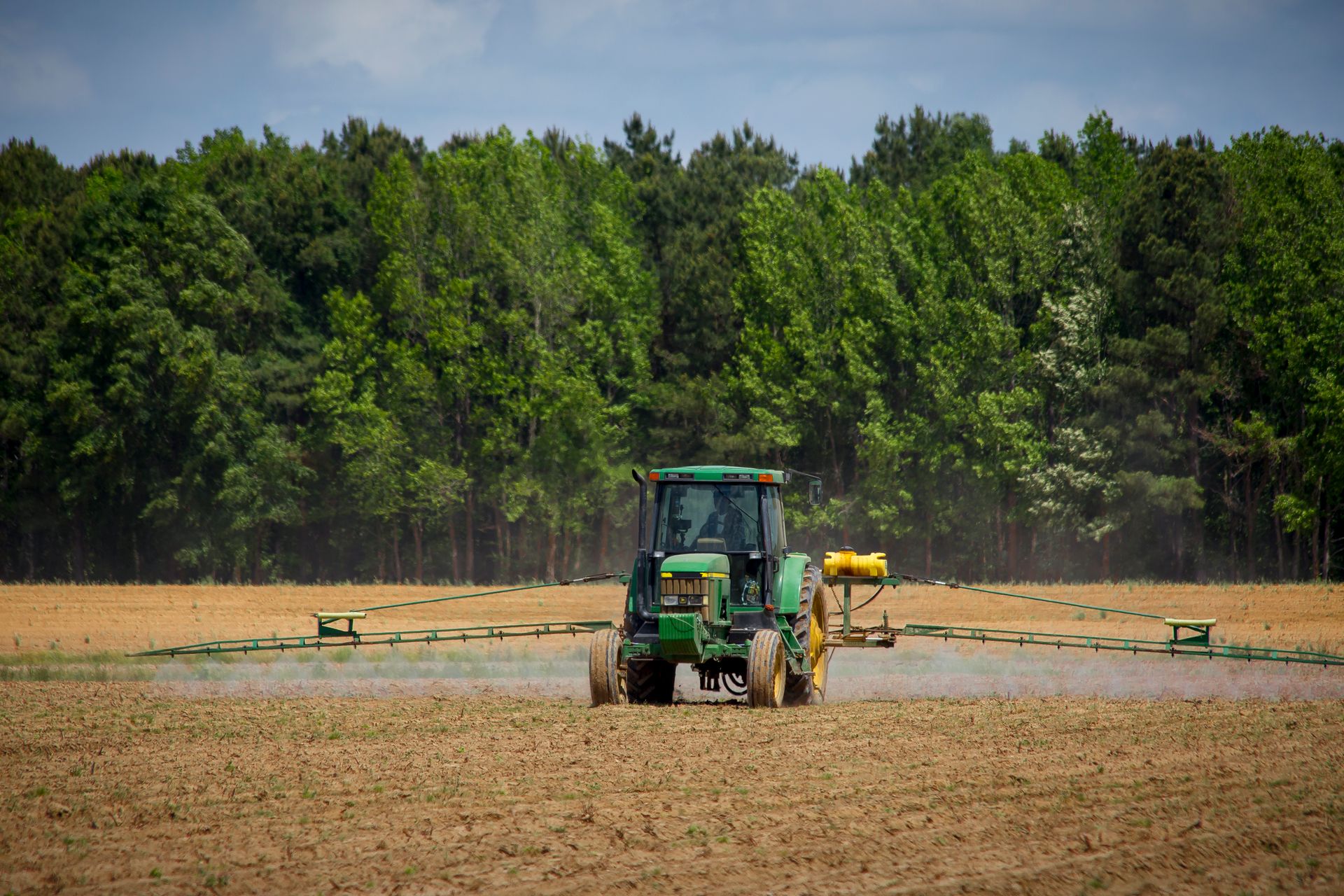
California is banning paraquat, one of the most widely used weed-killing chemicals in American agriculture. The decision comes from the state that accounts for the largest share of paraquat use nationwide, and public health advocates are calling it a significant milestone in a fight that has dragged on for years.
Paraquat has been used extensively in American farming for decades because of its effectiveness at controlling weeds. But its toxicity is just as well documented: even small quantities can be fatal if ingested, and the chemical has a long history of being used in suicides worldwide.
Public health advocates describe paraquat as more than just an acute poisoning risk — they point to a near-proven link between long-term exposure and Parkinson's disease. Numerous epidemiological studies have found significantly higher rates of Parkinson's among farmworkers and rural residents regularly exposed to the chemical.
That link isn't new. Scientists have spent decades investigating the relationship between paraquat exposure and neurodegenerative disease. Animal studies have shown the chemical can damage the dopamine-producing neurons in the brain, and the loss of those cells is a hallmark feature of Parkinson's disease.
Paraquat's international regulatory picture makes for a stark contrast. The chemical is already banned in more than 70 countries, including China, the UK, and the European Union. Despite that, the US Environmental Protection Agency reapproved it for use in both 2021 and 2024, a decision that reflects an ongoing tension between public health groups and regulators.
California's decision sets a notable precedent: a chemical still permitted at the federal level can nonetheless be banned at the state level. While regulation of agricultural chemicals in the US typically falls under the federal EPA's authority, individual states can impose additional restrictions within their own borders, and California is among the first major farming states to use that power on paraquat specifically.
Some agricultural groups argue that finding an equally effective substitute for paraquat won't be straightforward, particularly for controlling weeds that have developed resistance to other herbicides. They warn the ban could raise costs in the short term and lead to yield losses for some farmers.
Public health organisations counter that the long-term cost of the chemical's harm to human health — including medical treatment expenses, lost labour, and diminished quality of life for farmworkers — far outweighs those agricultural concerns. It's a familiar version of the economics-versus-health tradeoff that comes up repeatedly in the regulation of toxic agricultural chemicals.
Ultimately, California's decision could reignite a broader national conversation about paraquat use across the US. Whether other states follow suit, or whether the EPA revisits its federal approval, are among the questions worth watching in the period ahead.
Read next

Brain implants for depression: what patients actually want from the technology
A new study surveyed people living with treatment-resistant depression about what matters most to them when it comes to brain implants for mental health. The findings suggest patients care as much about control, transparency and reversibility as they do about symptom relief.

3,500-year-old skeletons are rewriting what scientists know about syphilis
Ancient remains from Vietnam suggest that diseases in the same family as syphilis, such as yaws, may have been passed from mother to child thousands of years ago, a transmission pattern often assumed to point specifically to syphilis. The find could reshape how scientists interpret ancient infections and the long-running mystery of where syphilis truly originated.
How the adult brain repairs itself: what new research reveals
Researchers found that in mice, support cells called astrocytes respond to brain injury by growing new nuclei and sending them along long cellular extensions to repopulate damaged tissue. The discovery suggests the adult brain has far more capacity for self-repair than previously believed.
Breast cancer self-checks: how to examine yourself at home
Actress Lucy Davis says the change she found was not a classic 'lump' but a small hard spot, prompting her to urge women to check their breasts regularly. Doctors explain what a proper self-check involves and which changes warrant a GP visit.
Solar eclipse eye damage: the warning signs to watch for
Looking at the sun without proper eclipse glasses can cause solar retinopathy, a form of retinal damage that may not hurt at first but can permanently affect vision. Doctors explain which symptoms mean you should see an eye specialist urgently.