Solar eclipse eye damage: the warning signs to watch for
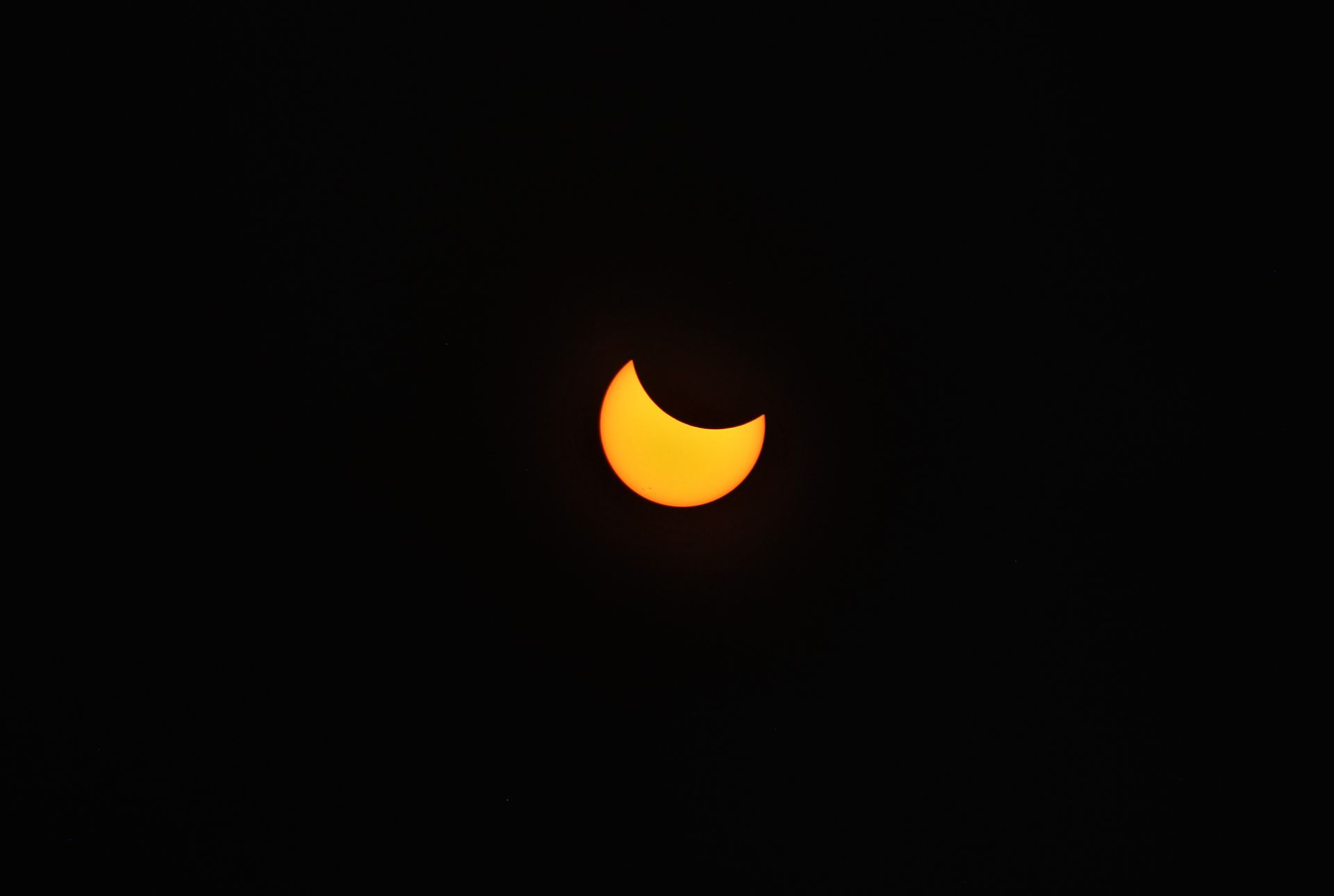
Solar eclipses draw millions of people outside to look up at a rare celestial event, and every time one occurs, eye specialists issue the same warning: viewing the sun without adequate protection can cause permanent, irreversible damage to vision.
The underlying problem is straightforward. Intense sunlight focuses onto the retina, the light-sensitive tissue at the back of the eye that converts what we see into signals for the brain. When that tissue is exposed to concentrated solar radiation, it can suffer both thermal and photochemical injury — a condition doctors call solar retinopathy. It can occur after even a brief, unprotected glance at the sun during an eclipse.
One of the most unsettling aspects of solar retinopathy is that it is often painless. The retina has no pain receptors, so someone can be causing serious damage to their eyes without feeling anything at the time. Symptoms typically surface hours later, and sometimes not until the following day.
Doctors say the most common warning signs include blurred or hazy vision, a blind spot or grey patch in the centre of the visual field, colours appearing distorted or washed out, and heightened sensitivity to light. Some patients also report that straight lines appear wavy or bent, which can indicate damage to the macula, the central part of the retina responsible for sharp, detailed vision.
Anyone who notices these symptoms in the hours or days after viewing an eclipse is advised to seek an eye specialist promptly rather than waiting to see if it clears up on its own. Early assessment helps determine the extent of the damage and whether any treatment can help. In milder cases, vision can partially recover over weeks or months; in more severe cases, the damage is permanent.
The only safe way to look directly at an eclipse is through certified eclipse glasses that meet the international ISO 12312-2 standard. Ordinary sunglasses, no matter how dark, do not block enough of the sun's harmful radiation. Cameras, telescopes and binoculars are also dangerous without a proper solar filter fitted, since these instruments can concentrate sunlight and accelerate the damage.
Children are considered especially vulnerable, both because curiosity can draw them to glance at the sun and because the lens in a child's eye is younger and more transparent, allowing more light to reach the retina. Specialists recommend that schools and parents talk children through safe viewing methods before any eclipse takes place.
A completely safe alternative is pinhole projection. By punching a small hole in a piece of card and letting sunlight pass through onto a surface, viewers can watch a projected image of the eclipse without ever pointing their eyes at the sun. Science centres and astronomy clubs often set up simple projection stations on eclipse days for exactly this reason.
Eclipses remain rare and genuinely thrilling events to witness, but doing so without the right equipment can carry a lasting cost. The consistent message from doctors is that the absence of pain does not mean the absence of harm, so any doubt is reason enough to get an eye check rather than wait it out.
Read next

California bans paraquat, the toxic pesticide linked to Parkinson's disease
California, the largest US user of paraquat, is banning the highly toxic herbicide used across millions of acres of American farmland. Public health advocates describe it as a chemical with a near-proven link to Parkinson's disease, and it is already outlawed in more than 70 countries.

Brain implants for depression: what patients actually want from the technology
A new study surveyed people living with treatment-resistant depression about what matters most to them when it comes to brain implants for mental health. The findings suggest patients care as much about control, transparency and reversibility as they do about symptom relief.
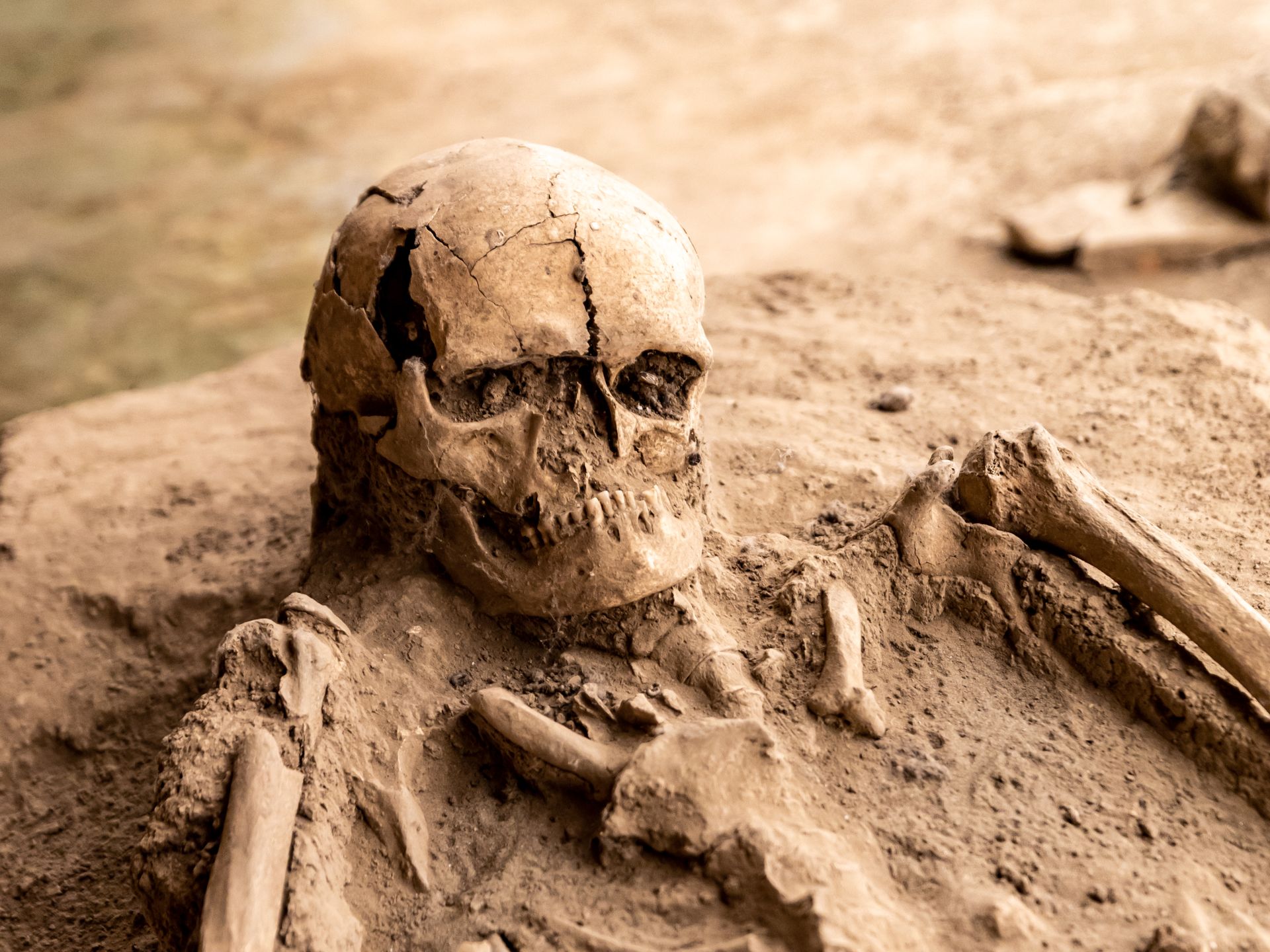
3,500-year-old skeletons are rewriting what scientists know about syphilis
Ancient remains from Vietnam suggest that diseases in the same family as syphilis, such as yaws, may have been passed from mother to child thousands of years ago, a transmission pattern often assumed to point specifically to syphilis. The find could reshape how scientists interpret ancient infections and the long-running mystery of where syphilis truly originated.
How the adult brain repairs itself: what new research reveals
Researchers found that in mice, support cells called astrocytes respond to brain injury by growing new nuclei and sending them along long cellular extensions to repopulate damaged tissue. The discovery suggests the adult brain has far more capacity for self-repair than previously believed.
Breast cancer self-checks: how to examine yourself at home
Actress Lucy Davis says the change she found was not a classic 'lump' but a small hard spot, prompting her to urge women to check their breasts regularly. Doctors explain what a proper self-check involves and which changes warrant a GP visit.