How worried should the public be about hantavirus? Health authorities weigh the spread risk
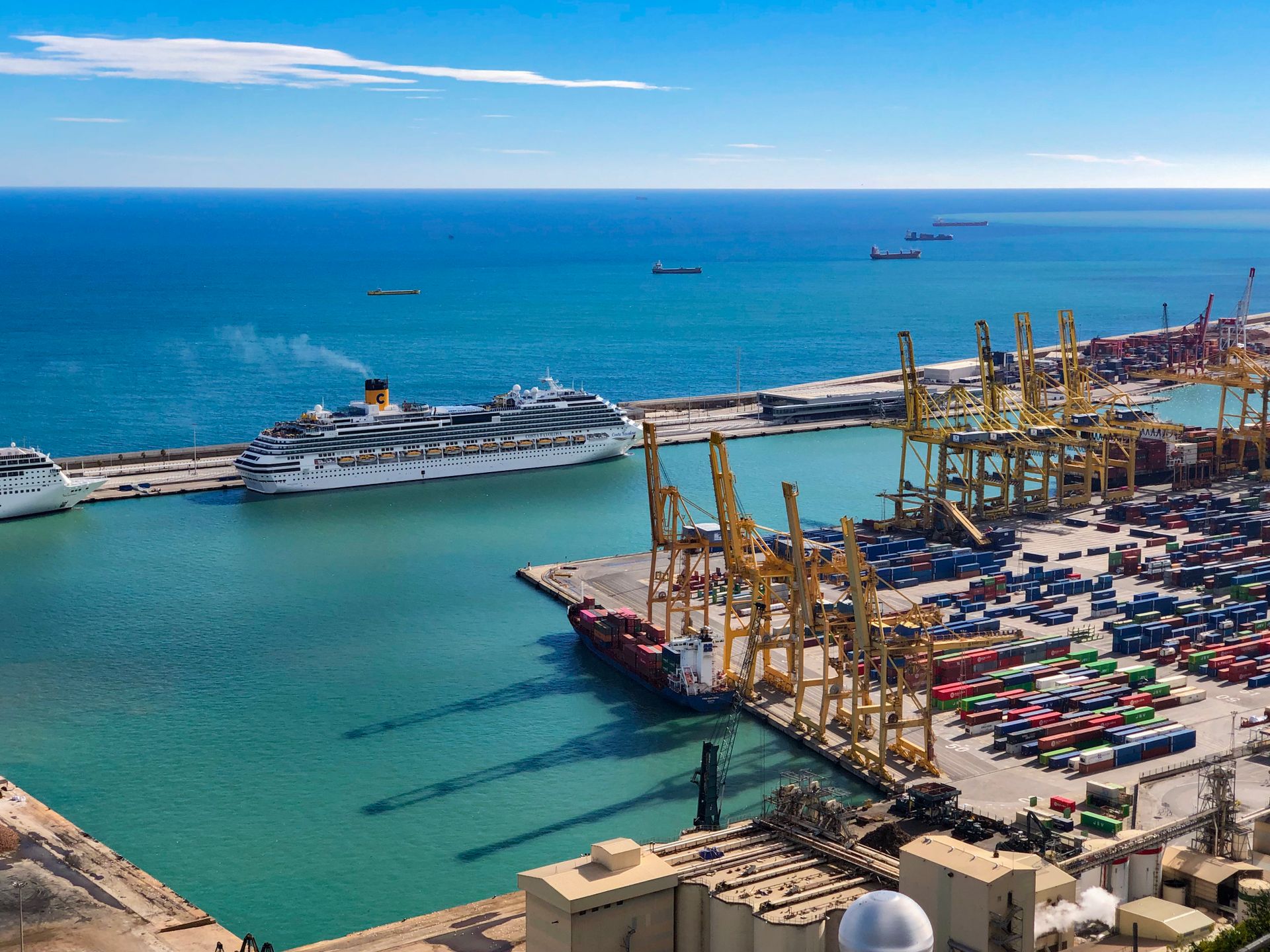
Following the hantavirus outbreak on the MV Hondius cruise ship in early May, passengers are being repatriated to their home countries. Public-health authorities have now set out more clearly what risk the wider population faces.
The World Health Organization's latest report says most Hondius cases involve the Andes strain, which originates in South America. Its main reservoir is the long-tailed pygmy rice rat (Oligoryzomys longicaudatus); the virus typically spreads to humans through aerosolised rodent urine and droppings.
What sets the Andes strain apart from other hantaviruses is that human-to-human transmission has, very rarely, been documented. WHO data show roughly six confirmed instances of direct person-to-person spread since the 1996 El Bolsón outbreak in Argentina. The Hondius cases would, if confirmed, make seven.
UKHSA spokesperson Dr Susan Hopkins told the BBC: "For the general British population the risk is low. Hantavirus is rare in Europe and the Andes strain has no established rodent reservoir in Britain." UKHSA said returning passengers were under symptom monitoring for the full 42-day incubation period.
The European Centre for Disease Prevention and Control issued a note to member states. It asked Hondius returnees to contact health authorities immediately if they developed shortness of breath, fever or muscle pain over the next six weeks. The three deaths reported so far were all passengers.
The disease is known as hantavirus pulmonary syndrome (HPS). Early symptoms are fever, muscle pain and headache. After five to seven days, fluid can begin to accumulate in the lungs. The case-fatality rate of the Andes strain is between 35% and 40% — hundreds of times higher than seasonal influenza.
A fortnight of outbreak news has revived scientific discussion of a hantavirus vaccine. PoMo-Hanta, a candidate developed against the North American Sin Nombre strain years ago, remains unlicensed. The US National Institutes of Health announced an emergency accelerated-review programme this week.
Professor Mauricio Suárez of Argentina's National Institute of Tropical Diseases told the BBC by phone: "The Hondius outbreak has revived global interest in hantavirus. The UK, Europe and the US had only three or four cases a year. Now research budgets are being topped up."
Medical sources say treatment options remain limited. Early intensive care, ribavirin and oxygen support are the established approaches. A new antiviral candidate, favipiravir, is still in phase 2 trials. The UK NHS said this week that two specialist units had been readied for any Hondius passengers requiring admission.
The Hondius is now docked in the Canary Islands. Its Dutch operator, Oceanwide Expeditions, has put the ship into a 30-day decontamination programme and cancelled summer sailings. The company estimates the financial loss at about €18 million. Insurers have opened talks with the families of the three deceased passengers.