England's new community right-to-buy law gives local residents first refusal on local assets
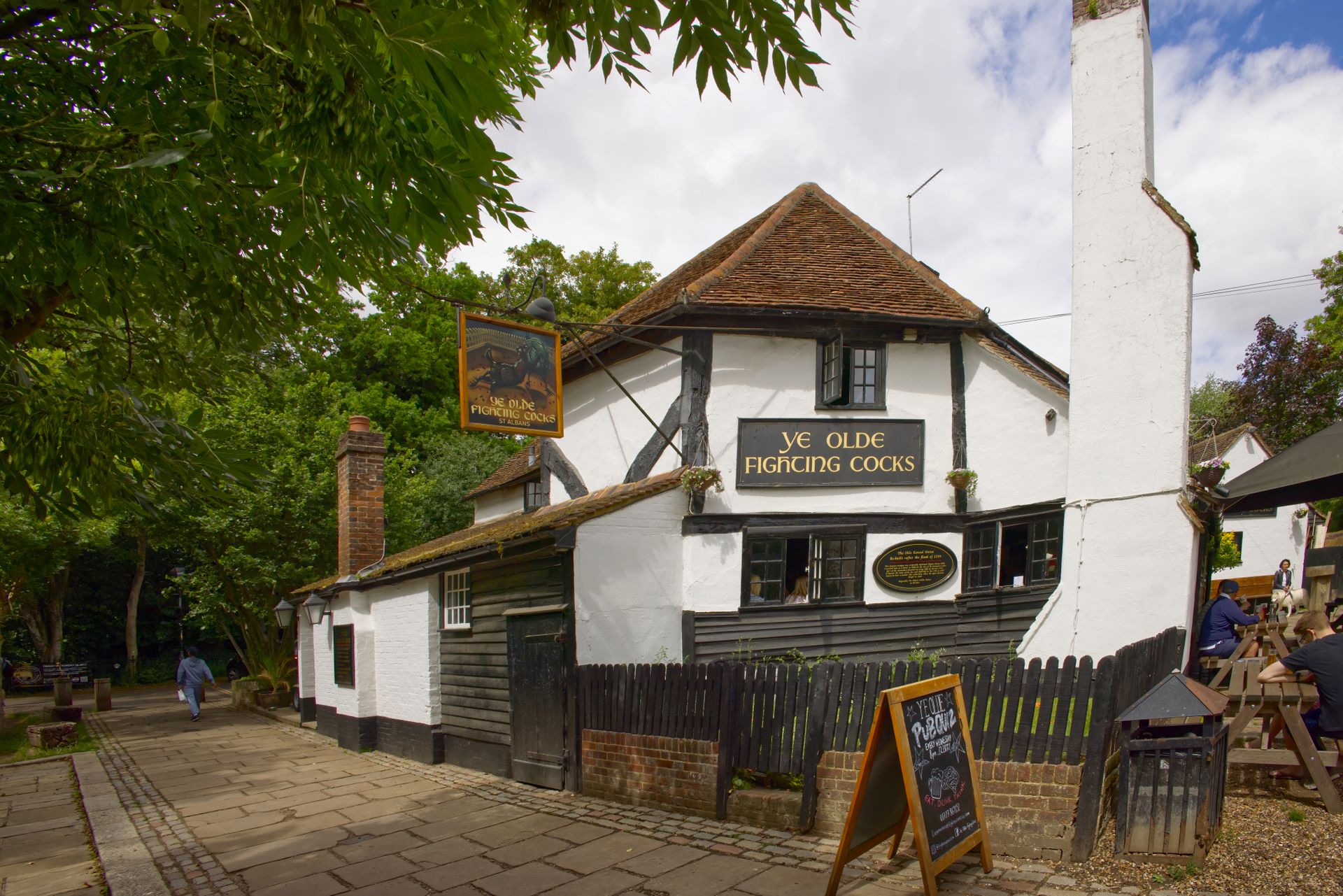
A new community ownership law that took effect in England this week gives local residents a first-refusal right to buy local assets that are about to be sold or face closure. Issued by the Ministry of Housing, Communities and Local Government, the law is being referred to as the Community Right to Buy and applies particularly to pubs, libraries, community halls, small supermarkets and public open spaces.
Under the new framework, owners of qualifying assets must give the local community at least six weeks' notice before listing the property for sale. During that window a community group can register an interest and unlock up to nine months of preparation time to raise finance, with the right to make an offer at fair market value.
Housing Secretary Angela Rayner, speaking at a press event in Salford, said: "This is a moment when local people are getting back the power to shape their own neighbourhoods." The department estimates that at least 350 community groups will use the new mechanism in its first year to take over a local venue at risk of closure.
A practical example is the Bacup Pub community group in Lancashire, for whom the law arrives at the right time. After the 200-year-old Royal Hotel pub closed last year, local residents formed an association but were stalled for 18 months by a lack of legal levers to acquire the building. The new law is expected to cut that timeline by more than half.
Research suggests the closure of local social venues has a measurable effect on community health. A 2024 London School of Economics paper found that in the past decade, every 100 closed local pubs or community spaces correlated with roughly a four percent increase in self-reported loneliness in high-tenure neighbourhoods. A separate NHS study in the North East linked social isolation to a 14 percent increase in risk of cardiovascular events.
Critics of the law have raised different concerns. Tina McKenzie, the general secretary of the Federation of Small Businesses, said the policy "could create uncertainty for asset owners" and "extend sale timelines." She added that the requirement to raise finance might disadvantage low-income communities most. "The right is appealing in theory; in practice community groups in Bacup do not have the same access to capital as those in Knightsbridge," she said.
Plunkett UK, a community-business foundation that backs the law, projects that more than 1,000 local groups could acquire an asset within 12 months. Plunkett is recommending the establishment of a 25 million pound bridge-finance facility to support smaller communities; the foundation argues that without such a fund the policy will benefit better-off areas first.
In operational terms, the law also reorganises the Asset of Community Value (ACV) registration process used by local councils. Previously restricted to formally registered community groups, ACV registration will now be open to any community association with at least 21 members. The ministry has said it will move registration online and reduce typical processing time from six weeks to two.
On the health front, a Public Health England report last year recorded that adults in neighbourhoods with high "bridging social capital" — a measure that draws partly on the presence of mixed-use community spaces — reported around 21 percent lower mid-life depression than those in low-bridging areas. Supporters of the law point to those figures as a public-health argument that goes beyond the economic case.
The first practical test is expected in the coming days in Saxmundham, Suffolk, where a community group has begun the process to acquire a closed local library. The group has already raised 180,000 pounds; under the new nine-month window it expects to raise the remaining 140,000 pounds toward an estimated 320,000 pounds total. The outcome will provide the first real data point on how the law performs in practice.