Ethiopian woman delivers rare quintuplets after 12-year journey to motherhood
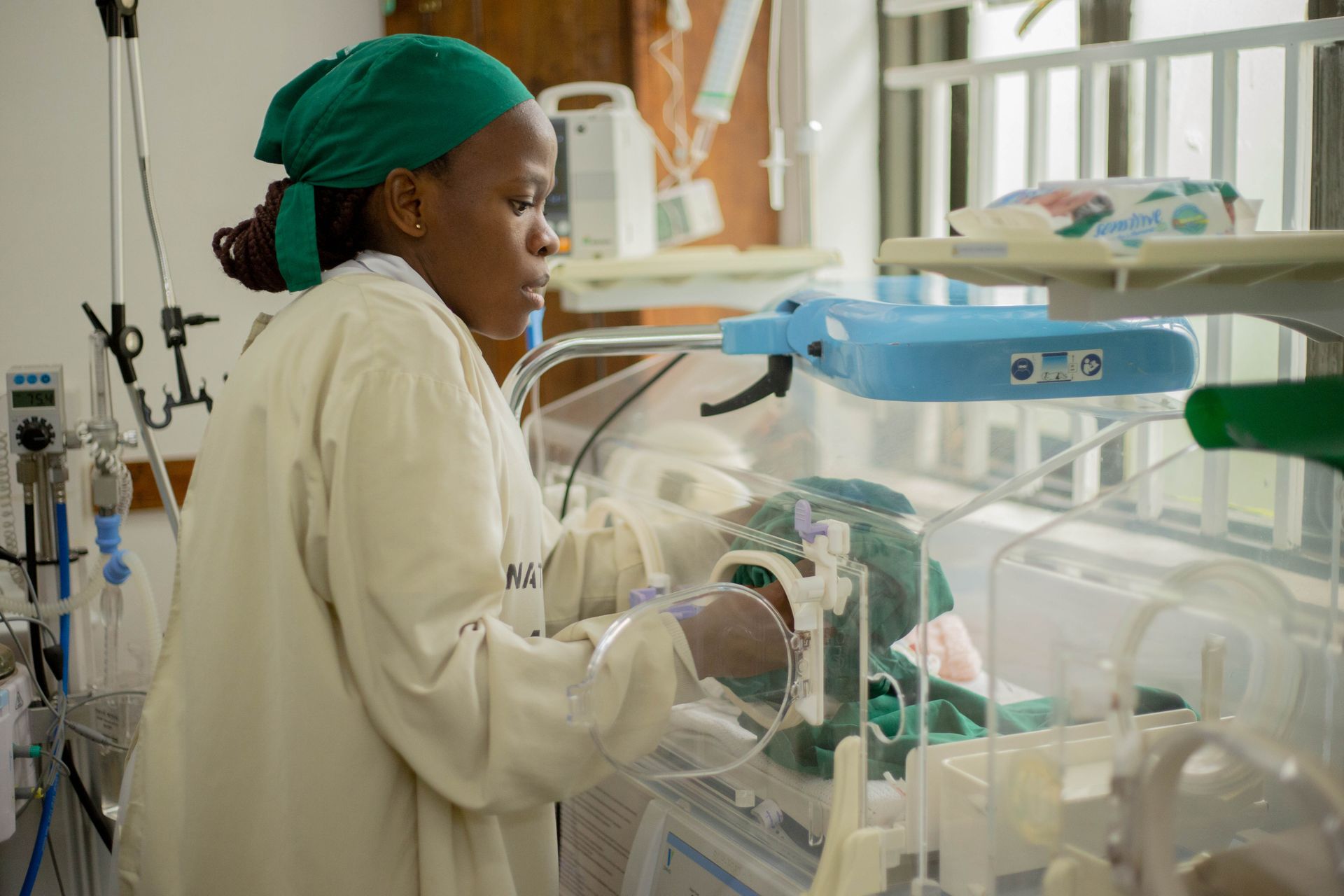
A 35-year-old woman in Ethiopia has delivered rare quintuplets after 12 years of trying to conceive. The five babies — three girls and two boys — were born at 32 weeks at the Tikur Anbessa Specialised Hospital in Addis Ababa and are being monitored in the neonatal intensive care unit. The hospital said the delivery was performed by planned caesarean section and that the mother and all five infants are in stable condition.
"For years I prayed for one child; to be blessed with five at once was beyond imagination," the mother told the BBC. Across the 12-year period the couple had pursued ovulation induction and then in vitro fertilisation. According to Dr Selamawit Tesfaye of the hospital's reproductive health department, three embryos transferred during the latest IVF cycle had divided to produce two and then three viable foetuses, resulting in a quintuplet pregnancy.
Neonatologist Dr Tewodros Bekele said that the babies' birth weights ranged from 950 to 1,450 grams. All five were started on nasal CPAP respiratory support; two are expected to be moved out of the incubator and into a regular ward in the coming days, while the remaining three are likely to need around three more weeks in the neonatal unit.
Quintuplet pregnancies occur naturally at a rate of about one in 60 million; the rate rises to roughly one in 250,000 with IVF. In Ethiopia, this is the second documented quintuplet birth in the past 15 years. The previous case, in 2014 in Hawassa, saw three of five babies die within their first year — a reminder of how much depends on neonatal care.
Ethiopia has made significant progress in reproductive health in recent years. According to figures published by the Ministry of Health last year, the number of IVF clinics across the country has risen from nine in 2018 to 33 in 2025, while the number of live births from IVF has climbed from about 350 to 1,800 a year over the same period.
The country's reproductive infrastructure remains highly uneven between cities and rural areas, however. Tikur Anbessa is one of only a handful of advanced-care units in Ethiopia; managing a similar delivery in a rural hospital in Tigray or Amhara would be a much taller order at present. The hospital is in early discussions with the WHO about creating mobile neonatal response teams that could be deployed for complex deliveries such as this one.
The mother and father have asked that their names not be disclosed. The couple run a small restaurant in the Bole district of Addis Ababa. The father told the BBC: "We don't yet know exactly how we will raise five babies, but hope is on our side." The Ethiopian government has announced that it has prepared a family-care package for the family that will provide health and education support for the first three years.
Clinically, a quintuplet birth means a long monitoring road ahead for both mother and infants. Long-term health risks for premature babies include neurodevelopmental delay, vision impairment and breathing difficulties. Tikur Anbessa has said it will follow up the babies on a structured schedule for the first two years to detect any of these complications early.
Dr Tesfaye described the birth as a success story but said it should also prompt a review of IVF protocols in countries like Ethiopia. "Most international guidelines now recommend transferring no more than two embryos in an IVF cycle. Transferring three was a decision shaped by national cost pressures, and in this case it produced a quintuplet pregnancy. I continue to argue for change," she said.
The healthy growth of the five babies will offer hope to the family and to Ethiopia's reproductive-health community. The coming weeks will test both the clinical care and the wider family-support structures. For now, as the mother put it: "The wait was worth it."