Redefining historical mothers: a new podcast series on the lives of women left off the record
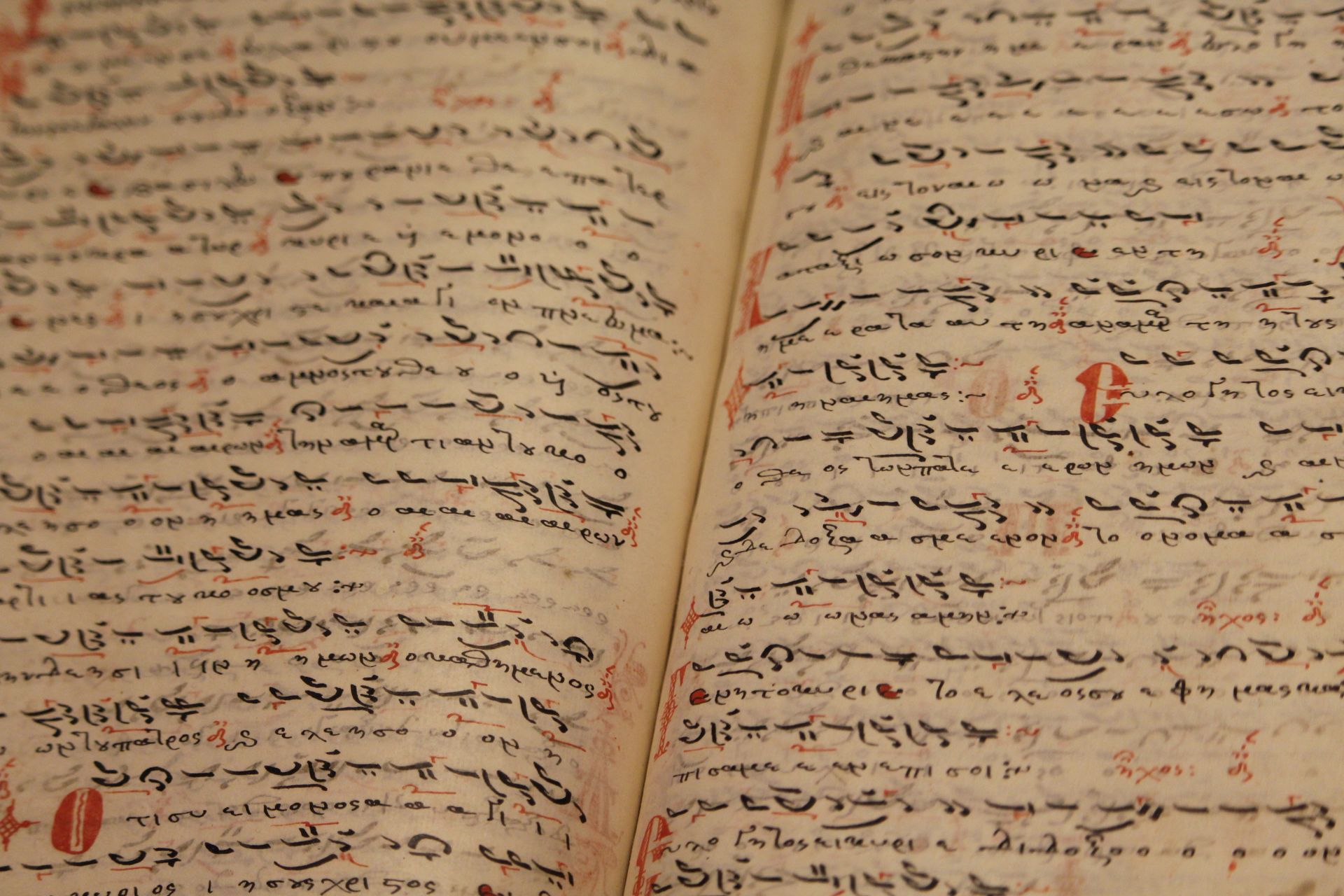
HistoryExtra's new podcast series 'Redefining Historical Mothers' takes up one of the most important structural shifts in history academia of the past 30 years: the effort to rewrite the history of the lives of women identified in the historical record only as 'mother of X' or 'mother of Y'. The series' three-episode first season, starting in May 2026, addresses the transformation of the historical mother figure from the medieval and early modern period through the 20th century.
The presenter of the series is Dr Catherine Howe, a researcher in the History department at the University of Cambridge. In the podcast's announcement, Howe said, 'women named mother throughout history are rarely recalled in their own capacity. Our aim is to re-evaluate these women beyond the role of mother as a historical subject in their own right -- as ruler, artisan, artist, religious leader, war-time worker.' This approach is a publicly facing reflection of the 'maternal history' academic field being developed at the History departments of Oxford, Yale, the Sorbonne and Jadavpur University in India in recent years.
The first episode of the series addresses royal mothers in medieval Europe. Anne Komnene (1083-1153), as the daughter of Byzantine Emperor Alexios I, wrote 'The Alexiad', one of the most important source texts of Byzantine history; but in Byzantine records she is primarily remembered as 'the mother of Konstantinos'. Anne Komnene's intellectual and political role has been re-evaluated within Byzantine-studies circles over the past 20 years; in the first episode of the podcast, Howe also discusses Anne Komnene's 1118 attempt to intervene in the throne succession.
The second episode looks beyond the recollection of Catherine of Aragon and Anne Boleyn as 'Tudor mothers' from 16th-century English history. Catherine of Aragon (1485-1536), daughter of King Ferdinand of Aragon, was a political figure who played an active role in Spanish-English diplomatic relations. Howe analyses Catherine's political writings -- the reports she presented to the royal council; these documents may require not only the queen but also the contemporary English diplomatic structure to be re-evaluated.
The third episode examines mother-and-professional women who have been largely erased from the historical record in the arts and sciences of the 18th and 19th centuries. Anne Lister (1791-1840) was a British aristocrat who managed family estates, made scientific geodetic measurements and wrote 5 million words in her diaries; but in contemporary records she is principally recalled as 'the woman landlord of Halifax'. Anne Lister's diaries began to be re-decoded in the 1980s by researcher Helena Whitbread; in the 2020s the full text was digitised and made publicly available.
The fourth episode -- the episode with the season's strongest historian contribution -- focuses on 20th-century war-time mothers. The 'munitionettes' (munitions workers) employed in British munitions factories during the First World War were a large labour force of about 950,000 women; the vast majority of these women were also mothers. Howe analyses the removal of the vast majority of these women from the labour force at the end of the war and their return to a 'mother only' role as a comprehensive structural political decision. She uses the 50,000 pages of family correspondence that the Imperial War Museum made publicly available in its digital archive in 2023 as the main source for her research.
The academic context of the podcast rests on developments in the 'gender history' and 'women's history' fields over the past 30 years. These fields began to be structured in the 1970s through the writings of feminist historians -- particularly Joan Scott (Princeton) and Linda Gordon (NYU) -- and were established as an academically canonical area in the 2000s. The 'maternal history' subfield has only developed in the last 10-15 years; popular historian-presenters such as Lucy Worsley, Bettany Hughes and Margaret MacMillan have played an important role in making the work publicly accessible.
Howe's methodology is close to the 'microhistory' approach. It aims to reflect broader historical phenomena by examining the life of a single individual or a small group in detail. Byzantine court records for Anne Komnene, royal council protocols for Catherine of Aragon, diaries for Anne Lister, family correspondence for munitions workers -- each episode rests on a different type of primary source. This methodological diversity preserves the podcast's balance of academic value and public accessibility.
The common theme at the close of the series is 'the historical construction of invisibility'. Howe comments in the podcast's final segment, 'women have always been there throughout history; but making them visible has meant a separate political struggle for each period.' Beyond academic conferences, the effort to re-evaluate historical mother figures has also been reflected in re-display programmes of history museums in the United Kingdom and the United States over the past five years; the Anglo-Saxon gallery reopened by the British Museum in 2024 prioritises the role of women scribes and reader-scanners.
The podcast will be released in three episodes in May, June and July 2026; it will be accessible from HistoryExtra's paid membership platform. Howe announced that a second season is being planned for the coming year, this time addressing Asian and African historical mother figures. In the Asian context, the planned figures include China's Empress Cixi (1835-1908) and Japanese writer Murasaki Shikibu (973-1014) without their being interpreted only through mother-status; in the African context, the planned figure is Nzinga Mbande (1583-1663), ruler of the Ndongo Kingdom. This upcoming pivot may be a step questioning the Western-centric frame of popular history.