On this day: Beijing turned an opening ceremony into legend on 08-08-08
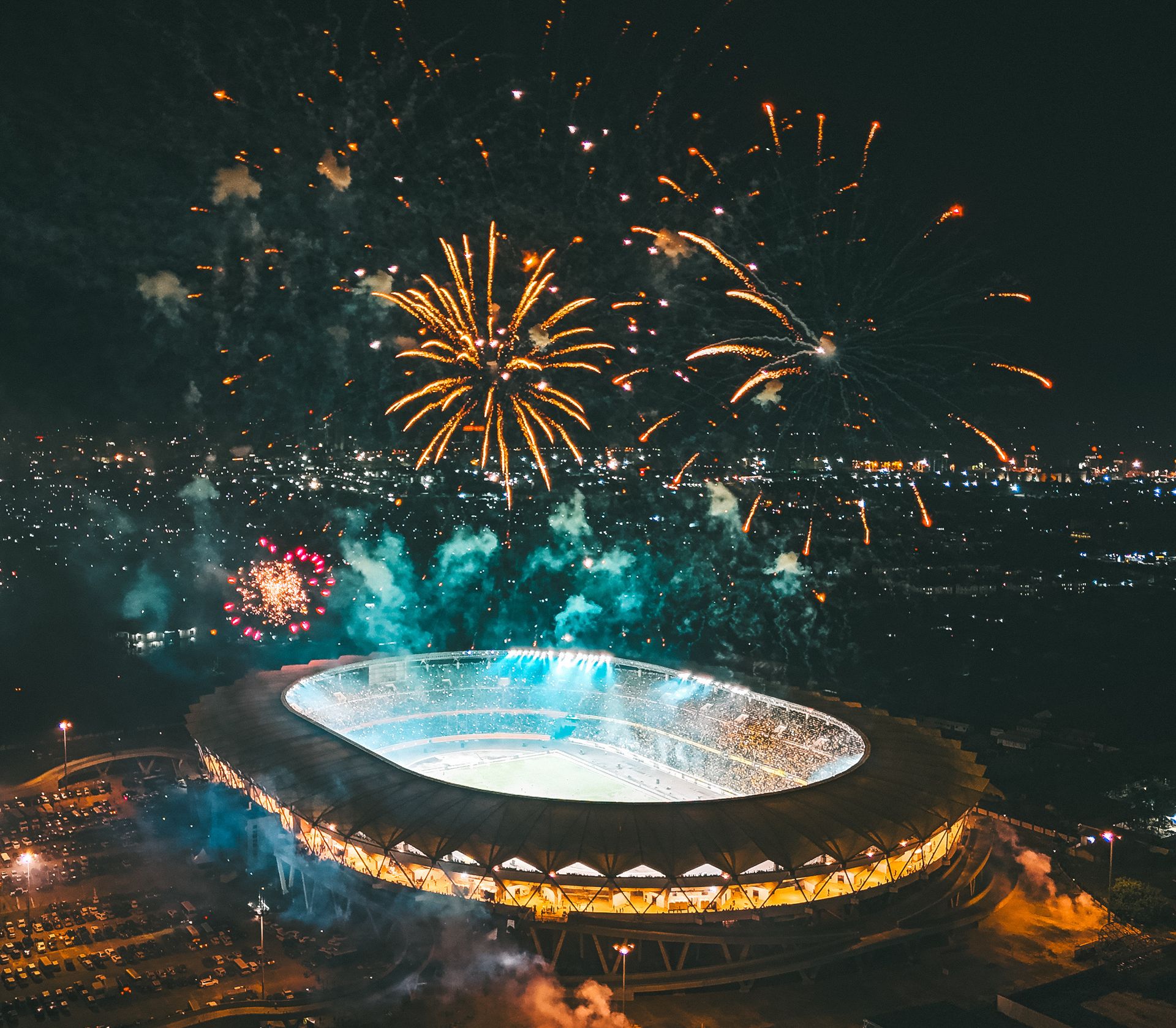
On the evening of August 8, 2008, at Beijing's National Stadium — popularly known as the "Bird's Nest" — the world watched one of the most elaborate Olympic opening ceremonies ever staged. The ceremony began at exactly 8:08 pm on the 8th day of the 8th month — and that timing was no accident.
The number eight is associated with luck and prosperity in Chinese culture; its pronunciation in Mandarin resembles the word for "to become wealthy." Organizers deliberately chose the ceremony's start time around this symbolism, and the date became known worldwide simply as "08-08-08."
The ceremony was directed by acclaimed Chinese filmmaker Zhang Yimou, who designed a spectacle in which thousands of performers moved in flawless synchronization, blending giant LED screens and traditional Chinese art forms with modern technology.
One of the ceremony's most memorable sequences featured 2,008 drummers performing in perfect rhythm on illuminated drums simultaneously. The scene was widely interpreted as a symbol of China's organizational capacity and collective discipline.
The ceremony also included segments depicting the "Four Great Inventions" traditionally attributed to China — paper, printing, the compass and gunpowder — alongside scenes evoking the Silk Road and a visual retelling of the history of Chinese writing. The goal was to translate thousands of years of history into a modern stage language.
The scale of the production was itself remarkable: thousands of performers, months of rehearsal, and an enormous budget produced what was, at the time, one of the most expensive and elaborate opening ceremonies ever held. It was watched by billions of people worldwide.
For China, the 2008 Beijing Olympics were more than a sporting event — they were an opportunity to announce the country's rising position on the global economic and cultural stage. The opening ceremony was designed as the most visual and memorable expression of that message.
The ceremony drew extensive international coverage at the time; while many commentators praised its scale and precision, the broader Games also prompted wider discussion of China's political and social context alongside its sporting ambitions.
Today, the 08-08-08 opening ceremony is regarded as one of the most remembered moments in Olympic history. Zhang Yimou's visual language became a reference point for later Olympic opening ceremonies, and the event remains one of the most striking examples of how a host nation can turn the Games into a stage for presenting its own cultural narrative to the world.
Read next
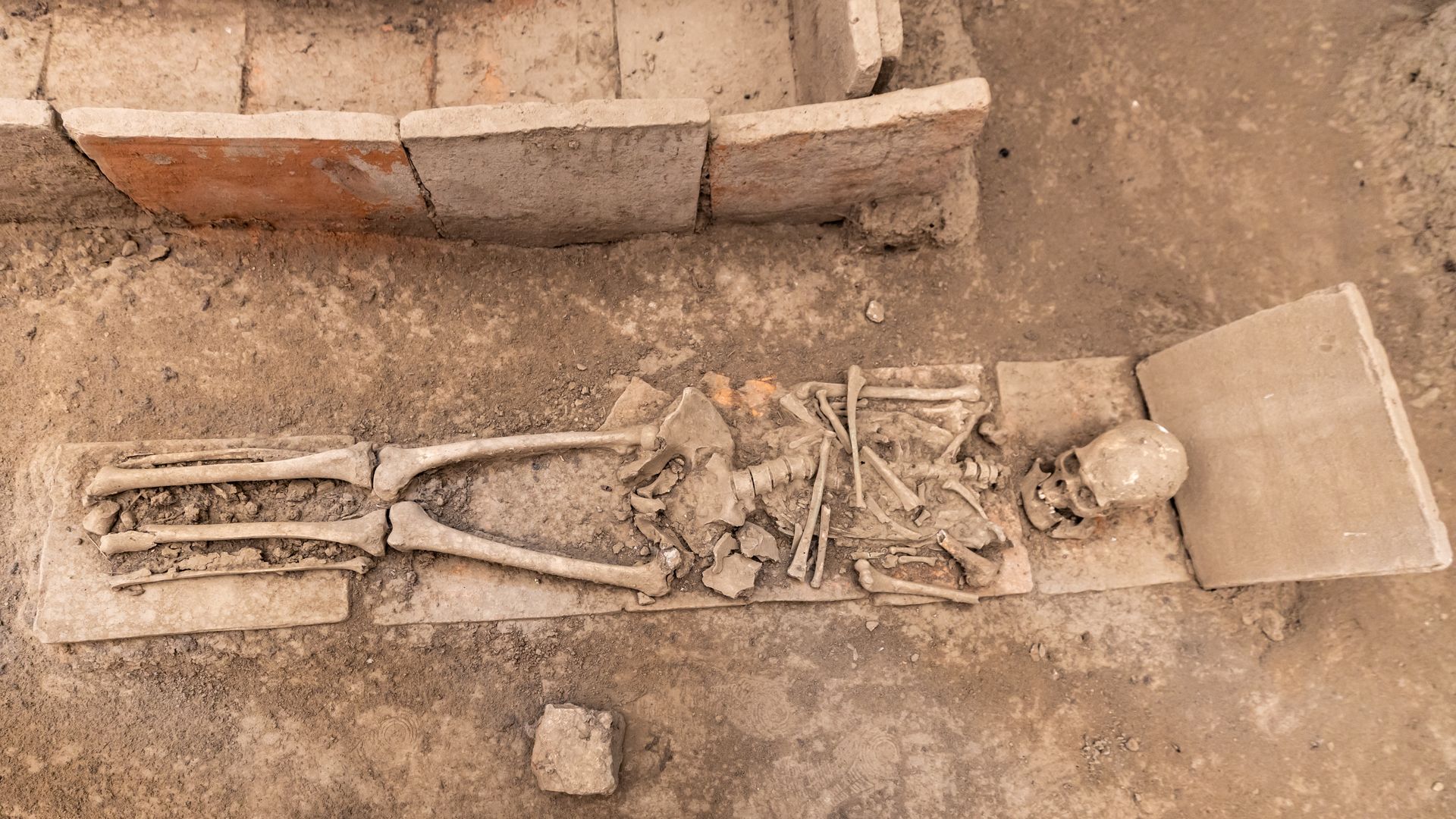
Why were these 18 Iron Age skeletons all buried the same strange way
The excavation of a roughly 2,000-year-old burial site revealed eighteen skeletons all buried upright, in the same unusual position. Archaeologists are weighing several theories about what the practice might mean.
What is the Devise for the Succession, and how did it trigger a Tudor crisis
According to HistoryExtra, the dying teenage King Edward VI attempted to rewrite England's line of succession in his own hand in 1553. The illegal document sought to disinherit his sisters Mary and Elizabeth and place his Protestant cousin, Lady Jane Grey, on the throne.
On this day: Philippe Petit walks a tightrope between the Twin Towers (1974)
On August 7, 1974, French high-wire artist Philippe Petit walked across a wire he had illegally rigged between the recently completed Twin Towers of New York's World Trade Center. Performed roughly 400 meters above the street, the feat captivated the world and later became the subject of an Oscar-winning documentary.

How Britain smuggled its entire gold reserve to Canada during WWII
In 1940, fearing a Nazi invasion, Britain secretly shipped almost its entire gold reserve across the Atlantic to Canada in one of history's largest and least publicized financial evacuations. The operation was so closely guarded that only a handful of British officials even knew it was happening.

On this day: the World Wide Web is made publicly available (1991)
On August 6, 1991, British computer scientist Tim Berners-Lee posted a short summary of his World Wide Web project, developed at CERN, to a public internet newsgroup — the moment historians generally cite as the Web becoming publicly available. It transformed the internet from a tool for specialists into the connective tissue of modern life.