How Britain smuggled its entire gold reserve to Canada during WWII

In the summer of 1940, following the fall of France, fear of a Nazi invasion of Britain reached its peak. Winston Churchill's government took an extraordinary precaution: secretly shipping almost the entire national gold reserve and transferable securities across the Atlantic to Canada.
The operation, codenamed 'Fish,' was kept so secret that only a handful of British cabinet members even knew the plan existed. No public announcement was made; the transfer was disguised as routine military logistics to avoid drawing the attention of enemy agents or spies.
Gold bars and share certificates were moved by train from banks in London and Scotland to ports, then loaded onto Royal Navy vessels and civilian cargo ships. Each shipment had to cross an ocean where German submarines were actively hunting.
Some ships set sail carrying the risk that a single torpedo strike could send billions of dollars' worth of assets to the ocean floor. Historians note that the operation's planners deliberately split shipments into small parcels to minimize this risk, ensuring that no single loss could wipe out the entire reserve.
Once it arrived in Canada, the gold and securities were stored in the deep, reinforced vault of a bank in Montreal. That facility became the largest deposit of gold in the world during the war, and its existence was kept entirely hidden from the public.
The operation's logic extended beyond physical security. Britain needed these assets to pay the United States for war materiel and supplies; the secure location in Canada allowed rapid access when needed while keeping the assets away from the risks facing the British Isles.
Historians emphasize that the operation's logistical success made a significant contribution to Allied financial stability in the later years of the war. The gold reserve allowed Britain to sustain its wartime economy and meet its financial obligations to its allies.
Details of the operation remained classified throughout the war and for decades afterward; some official records were only opened to researchers years later when their classification was lifted. That secrecy meant the full scale and complexity of the operation remained largely unknown for a long time.
Historians today regard the operation as a masterpiece of wartime financial planning and airtight secrecy — moving thousands of tons of valuable assets across an ocean actively hunted by enemy submarines without a single leak stands as a remarkable achievement in both logistics and intelligence security.
Today, the former storage facility in Montreal still stands and remains a tangible reminder, for some history enthusiasts, of this little-known but critically important wartime financial operation.
Read next

On this day: the World Wide Web is made publicly available (1991)
On August 6, 1991, British computer scientist Tim Berners-Lee posted a short summary of his World Wide Web project, developed at CERN, to a public internet newsgroup — the moment historians generally cite as the Web becoming publicly available. It transformed the internet from a tool for specialists into the connective tissue of modern life.

Why Did Medieval Women Choose to Be Walled In Alive in Spain?
In Astorga, Spain, a tiny stone cell wedged between two churches once housed medieval women who chose permanent enclosure as an extreme act of devotion. Historians call the practice anchoritism, documented across medieval Europe from the eleventh century onward. The cell survives as one of the few physically intact examples of a custom otherwise known mainly from written vows and church records.

Black Death in Switzerland: Why Young Laborers Suffered Most of All
New research on a seventeenth-century plague outbreak in Switzerland challenges the old idea that the Black Death struck rich and poor alike as a 'great leveller.' By cross-referencing parish and tax records, historians found the outbreak killed young, wage-earning laborers in disproportionate numbers. Researchers argue economic exposure, not chance alone, shaped who survived.

Marilyn Monroe's Death: What Really Happened on August 5, 1962
Marilyn Monroe, one of Hollywood's most famous actresses, was found dead at her Los Angeles home on August 5, 1962, at age 36. The Los Angeles County coroner's office ruled the death a probable suicide from acute barbiturate poisoning. Decades of unproven conspiracy theories have never altered the official record.
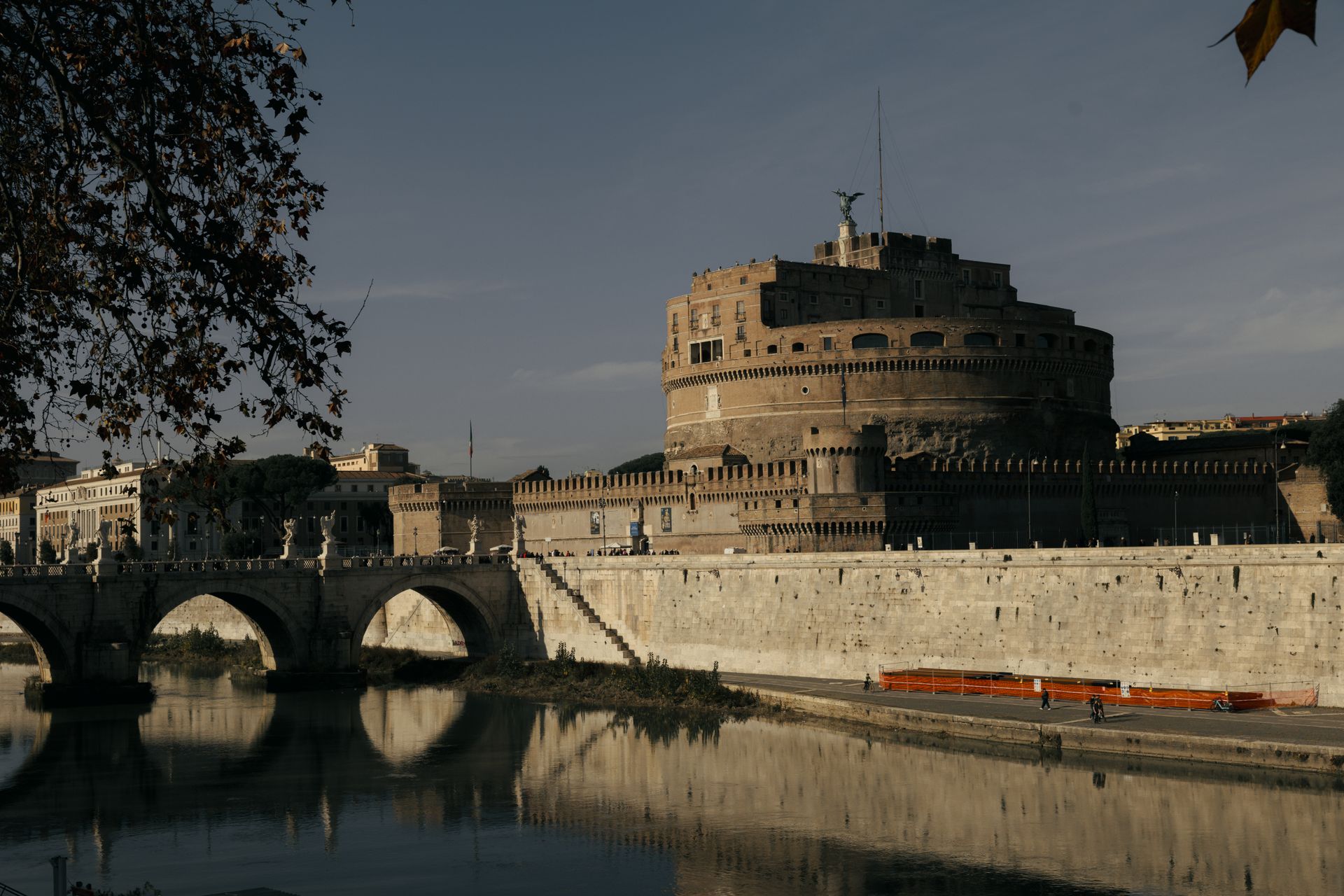
Renaissance Italy's firearm revolution: how gunpowder rewrote the rules of war
In the late 15th and 16th centuries, the fractured city-states of Italy became an unlikely laboratory for gunpowder warfare, testing early firearms and cannon that could breach walls built to withstand centuries of siege. The innovations that followed reshaped fortification design, military theory and the economics of war across Europe.