Why Did Medieval Women Choose to Be Walled In Alive in Spain?

In the Spanish city of Astorga, a small, irregular stone chamber wedged between two churches preserves one of medieval Europe's most severe forms of religious devotion — permanent, self-chosen enclosure. Known as the Celda de las Emparedadas, or Cell of the Walled-In Women, the space raises the question historians ask about this practice across Europe: why would anyone choose to be sealed inside a wall for life?
The practice, generally referred to in English as "anchoritism," was practiced across medieval Western Europe from at least the eleventh century onward, most extensively documented in England, France, Italy, and Spain. An anchorite, or anchoress in the feminine, was a person, overwhelmingly women, who withdrew permanently from ordinary life to live in a small enclosed cell, usually attached to a church, dedicating themselves to prayer, contemplation, and, in many cases, spiritual counsel to visitors. Historians trace the tradition loosely to earlier Christian eremitic customs, including the desert hermits of late antiquity, though unlike those wandering hermits, medieval anchorites formally bound themselves under a bishop's authority to a single fixed cell for the remainder of their lives.
The Astorga cell specifically, squeezed between the Church of Santa Marta and the Chapel of San Esteban, features an exterior wall with a narrow, barred window. Historians identify this as the anchoress's sole physical connection to the outside world, through which food, water, and conversation could pass.
Entering anchoritic life in medieval Europe generally followed a formal liturgical rite, sometimes referred to by later writers as a "vow of darkness" or enclosure rite, conducted by a bishop or local clergy. After the ceremony, the cell's door was sealed, in some documented cases literally walled shut, symbolizing the anchorite's death to worldly life.
Historians studying anchoritism note that, for women who had few sanctioned routes to religious authority or scholarly life in the medieval church, this practice offered one of the only recognized paths to an autonomous spiritual vocation and a reputation for wisdom, comparable in some interpretations to the authority granted to abbesses. Some anchoresses became trusted advisers to local nobility and clergy, exchanging letters or receiving visitors through their small window, which historians cite as evidence that enclosure did not always mean an anchoress had no influence over the community surrounding her cell.
Among the most famous examples for context is Julian of Norwich, an anchoress enclosed in a cell attached to a church in England in the late fourteenth century, who produced "Revelations of Divine Love," one of the earliest surviving English-language works attributed to a woman. Her case illustrates that anchoritic seclusion did not necessarily mean isolation from intellectual or spiritual influence.
Surviving guidance texts for anchorites, such as the English "Ancrene Wisse," describe strict routines of prayer, permitted contact through a small window with a servant or the public, and reliance on charitable donations of food. Historians note that the Camino de Santiago's passing pilgrim traffic would have made a roadside cell like Astorga's a plausible site for regular alms.
Anchoritism gradually declined across Europe from the sixteenth century onward, a change historians generally connect to the Reformation's reordering of religious life in Protestant regions and, in Catholic areas, to broader shifts that increasingly channeled female religious vocations into convents rather than solitary enclosure.
The Astorga cell survives today as an architectural curiosity rather than an active practice, one of a small number of physically intact anchorite cells identified in Spain. Heritage researchers cite it as physical evidence for a form of devotion otherwise documented mainly through written vows, chronicles, and church records rather than surviving structures.
Historians caution against reading anchoritism through a single modern lens. Some emphasize the coercive social pressures that could shape a woman's decision to enter permanent enclosure, while others point to contemporaneous accounts describing the choice as a deliberate pursuit of spiritual authority. The Astorga cell itself preserves no first-hand testimony from the woman or women who occupied it, leaving her motivations, like much of anchoritic history, known mainly through the institutions that recorded it.
Read next

Black Death in Switzerland: Why Young Laborers Suffered Most of All
New research on a seventeenth-century plague outbreak in Switzerland challenges the old idea that the Black Death struck rich and poor alike as a 'great leveller.' By cross-referencing parish and tax records, historians found the outbreak killed young, wage-earning laborers in disproportionate numbers. Researchers argue economic exposure, not chance alone, shaped who survived.

Marilyn Monroe's Death: What Really Happened on August 5, 1962
Marilyn Monroe, one of Hollywood's most famous actresses, was found dead at her Los Angeles home on August 5, 1962, at age 36. The Los Angeles County coroner's office ruled the death a probable suicide from acute barbiturate poisoning. Decades of unproven conspiracy theories have never altered the official record.
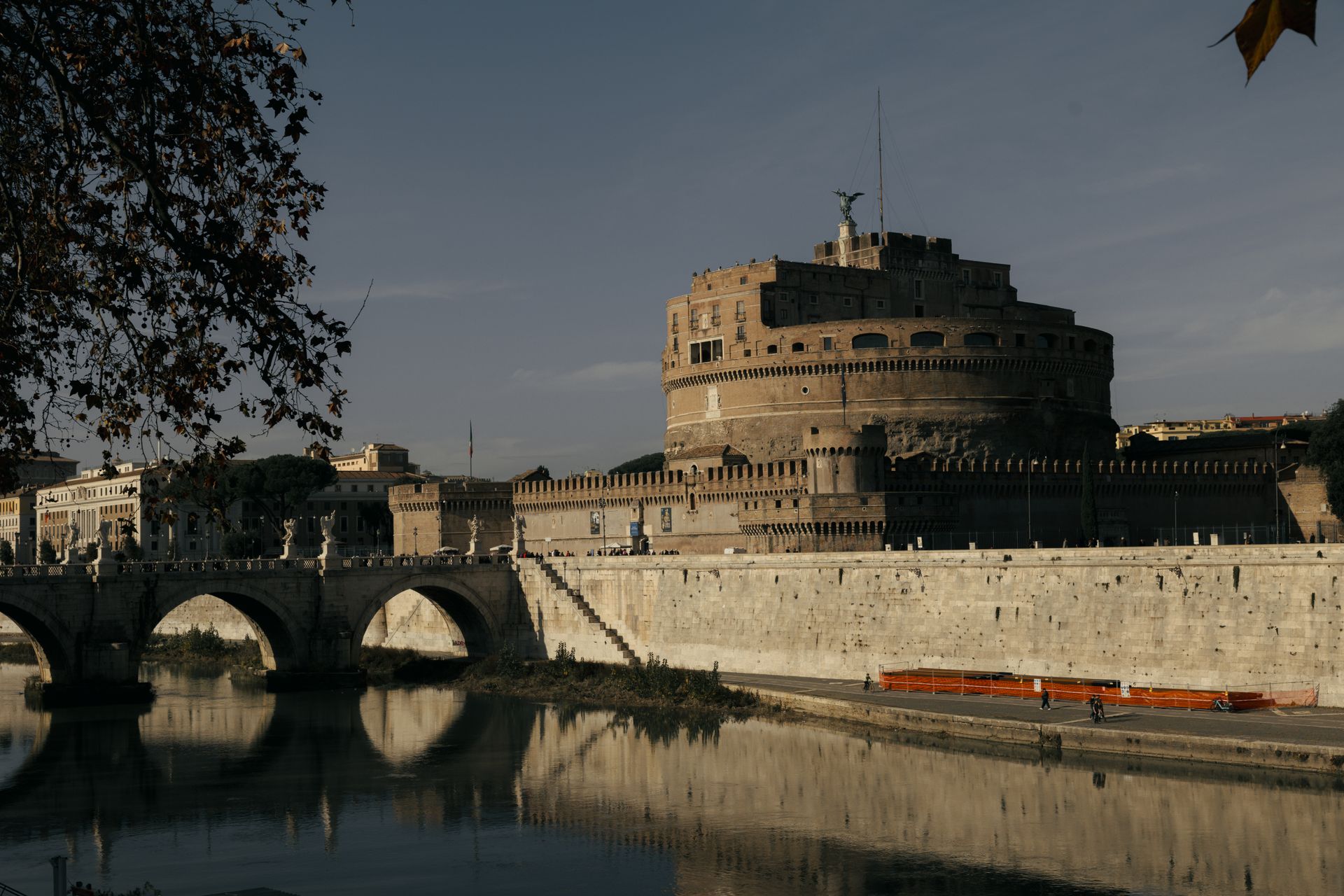
Renaissance Italy's firearm revolution: how gunpowder rewrote the rules of war
In the late 15th and 16th centuries, the fractured city-states of Italy became an unlikely laboratory for gunpowder warfare, testing early firearms and cannon that could breach walls built to withstand centuries of siege. The innovations that followed reshaped fortification design, military theory and the economics of war across Europe.
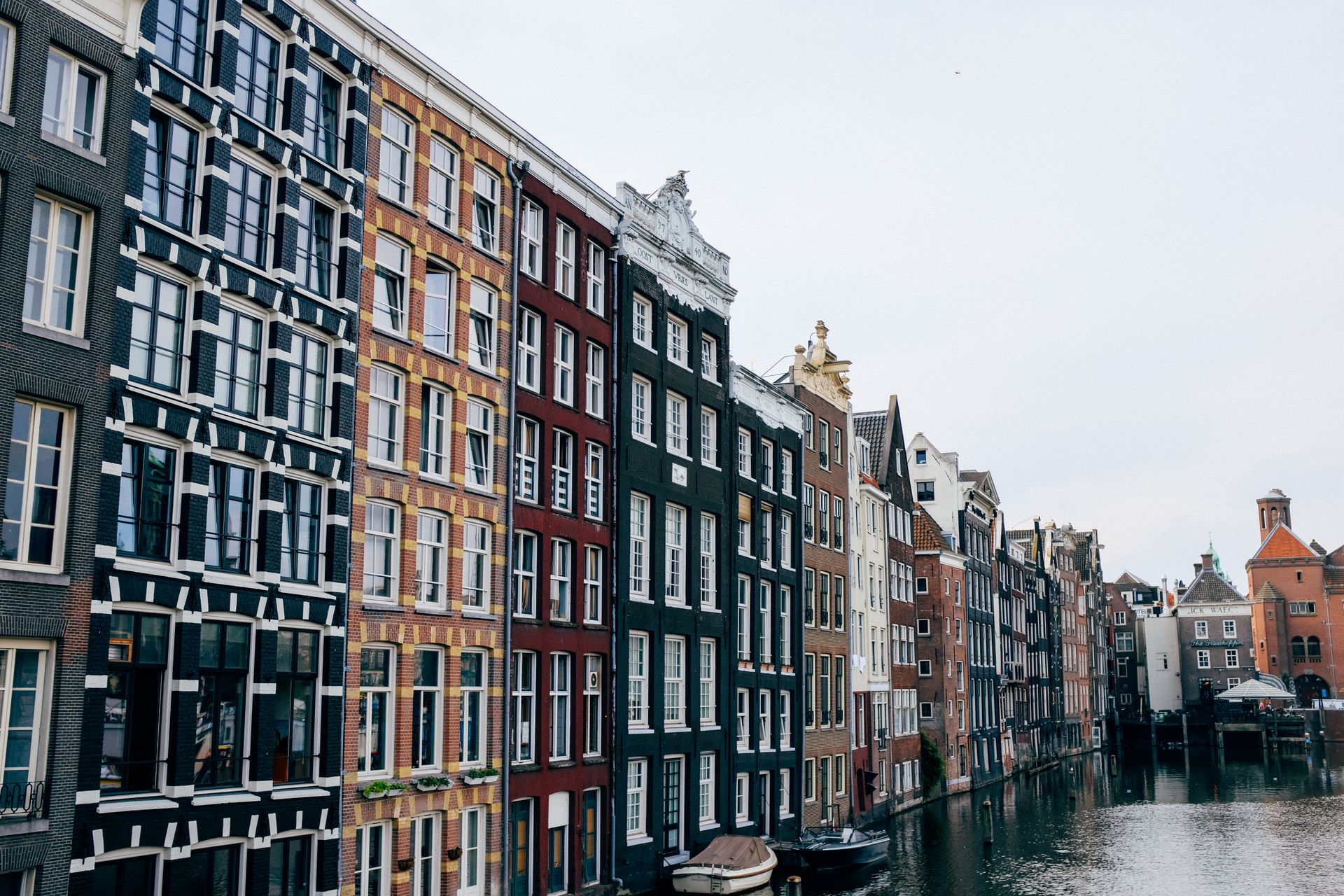
On this day: Anne Frank and seven others are arrested in Amsterdam's Secret Annex
On 4 August 1944, German security police raided a hidden annex above an Amsterdam canal-house warehouse, arresting Anne Frank, her family and four others after more than two years in hiding. Her diary, recovered afterward, became one of the world's most widely read accounts of the Holocaust.

How Did the Search for Alien Life Become a Serious Scientific Field?
The scientific study of whether life exists beyond Earth, once dismissed as speculation, took shape as a formal research field called exobiology around 1960, driven by Cold War-era space exploration and advances in origin-of-life chemistry. The field later broadened into today's astrobiology, incorporating discoveries of extremophiles and exoplanets.