Marilyn Monroe's Death: What Really Happened on August 5, 1962

Marilyn Monroe was found dead at her home in the Brentwood neighborhood of Los Angeles on the morning of August 5, 1962. She was 36 years old and one of the most recognizable film stars in the world, a status she had built over roughly fifteen years in the Hollywood studio system. Her death closed a career that had moved from anonymous modeling work to global stardom and, more quietly, to a fight for creative control that was unusual for an actress of her era.
She was born Norma Jeane Mortenson in Los Angeles on June 1, 1926, and grew up largely in foster homes and, for a period, an orphanage, after her mother was hospitalized for mental illness. She began modeling as a teenager during the Second World War and signed her first studio contract, with 20th Century Fox, in 1946. The name Marilyn Monroe was assigned to her by the studio as part of a broader effort to remake her image for the screen.
Monroe's early film roles were minor, but by the early 1950s she had become one of Fox's most bankable stars. "Gentlemen Prefer Blondes" and "How to Marry a Millionaire," both released in 1953, established her as a comic performer with strong audience appeal, and "The Seven Year Itch" (1955) produced one of the most reproduced images in film history, of her standing over a subway grate in a white dress.
Away from the screen, Monroe studied Method acting with Lee Strasberg at the Actors Studio in New York, seeking to be taken seriously as a performer beyond the comedic roles the studio favored. In 1954 she formed Marilyn Monroe Productions, giving her a stake in choosing and shaping her own projects, an arrangement historians of the studio era describe as rare for any actress under contract at the time.
Her personal life drew persistent public attention. She married the baseball player Joe DiMaggio in January 1954, in a marriage that lasted about nine months, and married the playwright Arthur Miller in 1956; that marriage ended in divorce in January 1961. Miller wrote the screenplay for "The Misfits" (1961), her final completed film, in which she starred opposite Clark Gable.
In her last months, Monroe's public profile remained at its height even as colleagues later described a difficult period privately. In May 1962 she sang "Happy Birthday, Mr. President" to John F. Kennedy at a Democratic Party fundraiser at Madison Square Garden, an appearance that became one of the most replayed clips of her career. She was also, at the time of her death, working on an unfinished film for Fox, "Something's Got to Give."
On the night of August 4, 1962, Monroe was at home with her housekeeper, Eunice Murray. According to the accounts later given to investigators, Murray became concerned in the early hours of August 5 when she could not get a response from Monroe's locked bedroom and telephoned Monroe's psychiatrist, Dr. Ralph Greenson, who arrived and broke a window to enter the room. Monroe was found dead in her bed.
The Los Angeles County coroner's office, under chief medical examiner Dr. Theodore Curphey, convened what was described at the time as a psychiatric autopsy, drawing on interviews with Monroe's doctors and associates. The office concluded that she had died of acute barbiturate poisoning, from a combination of chloral hydrate and the sedative Nembutal, and classified the death as a probable suicide.
That finding has been revisited publicly many times since, including in a formal review by the Los Angeles County district attorney's office in 1982, which examined claims of foul play and found no evidence to support them. Various theories linking her death to the Kennedy family, organized crime or intelligence agencies have circulated for decades; none has been substantiated by evidence accepted by official investigators or mainstream historians, who generally treat the original ruling as the best-supported account.
Monroe was buried at Westwood Village Memorial Park Cemetery, in a crypt arranged by DiMaggio, who organized her funeral and, by his own account, had flowers sent there regularly for years afterward. Her image became a recurring subject for artists, most famously Andy Warhol's silkscreen portraits made later in 1962, and later generations of critics and biographers have focused increasingly on her work as a producer and Method-trained actress rather than solely on her stardom.
Read next

Why Did Medieval Women Choose to Be Walled In Alive in Spain?
In Astorga, Spain, a tiny stone cell wedged between two churches once housed medieval women who chose permanent enclosure as an extreme act of devotion. Historians call the practice anchoritism, documented across medieval Europe from the eleventh century onward. The cell survives as one of the few physically intact examples of a custom otherwise known mainly from written vows and church records.

Black Death in Switzerland: Why Young Laborers Suffered Most of All
New research on a seventeenth-century plague outbreak in Switzerland challenges the old idea that the Black Death struck rich and poor alike as a 'great leveller.' By cross-referencing parish and tax records, historians found the outbreak killed young, wage-earning laborers in disproportionate numbers. Researchers argue economic exposure, not chance alone, shaped who survived.
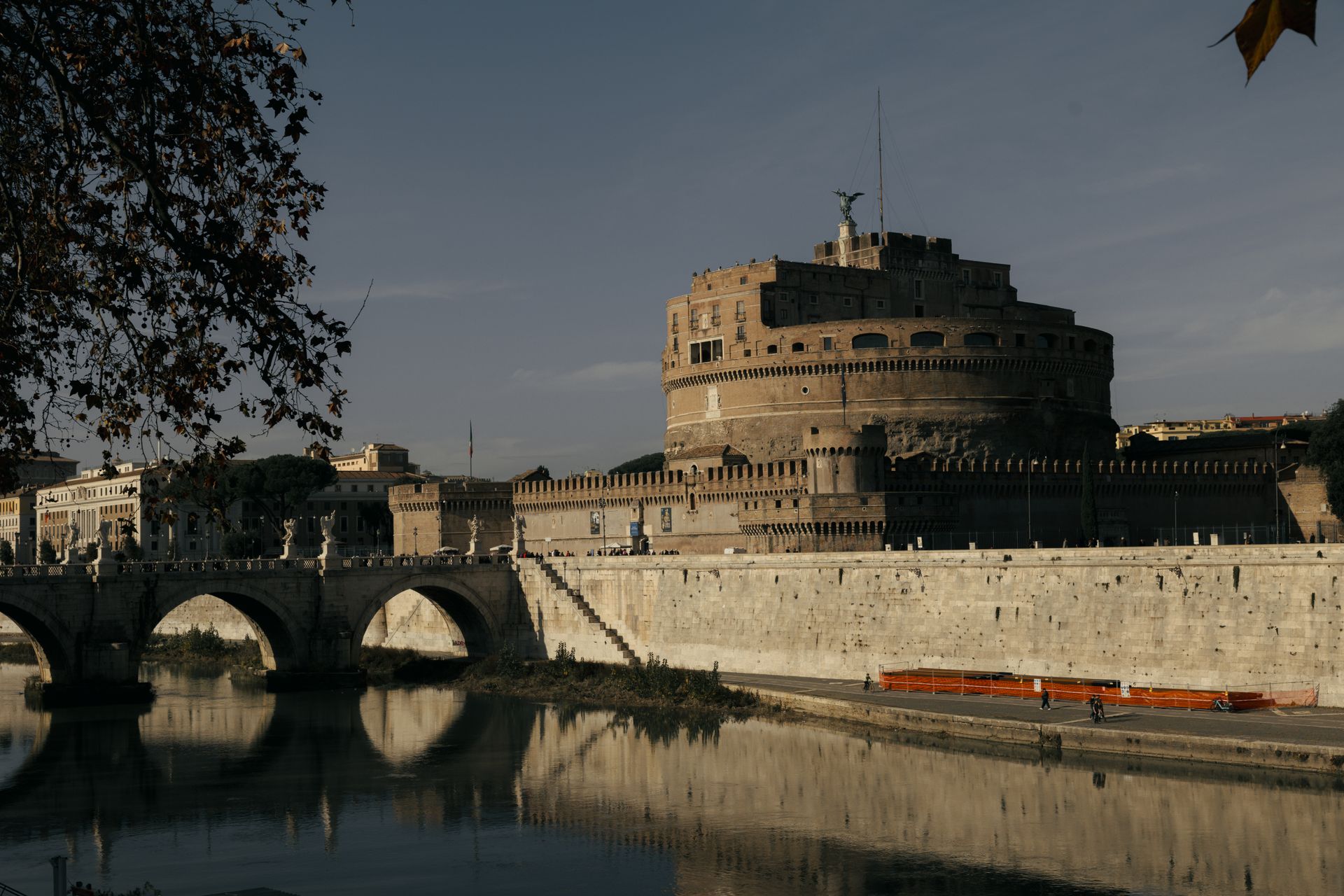
Renaissance Italy's firearm revolution: how gunpowder rewrote the rules of war
In the late 15th and 16th centuries, the fractured city-states of Italy became an unlikely laboratory for gunpowder warfare, testing early firearms and cannon that could breach walls built to withstand centuries of siege. The innovations that followed reshaped fortification design, military theory and the economics of war across Europe.
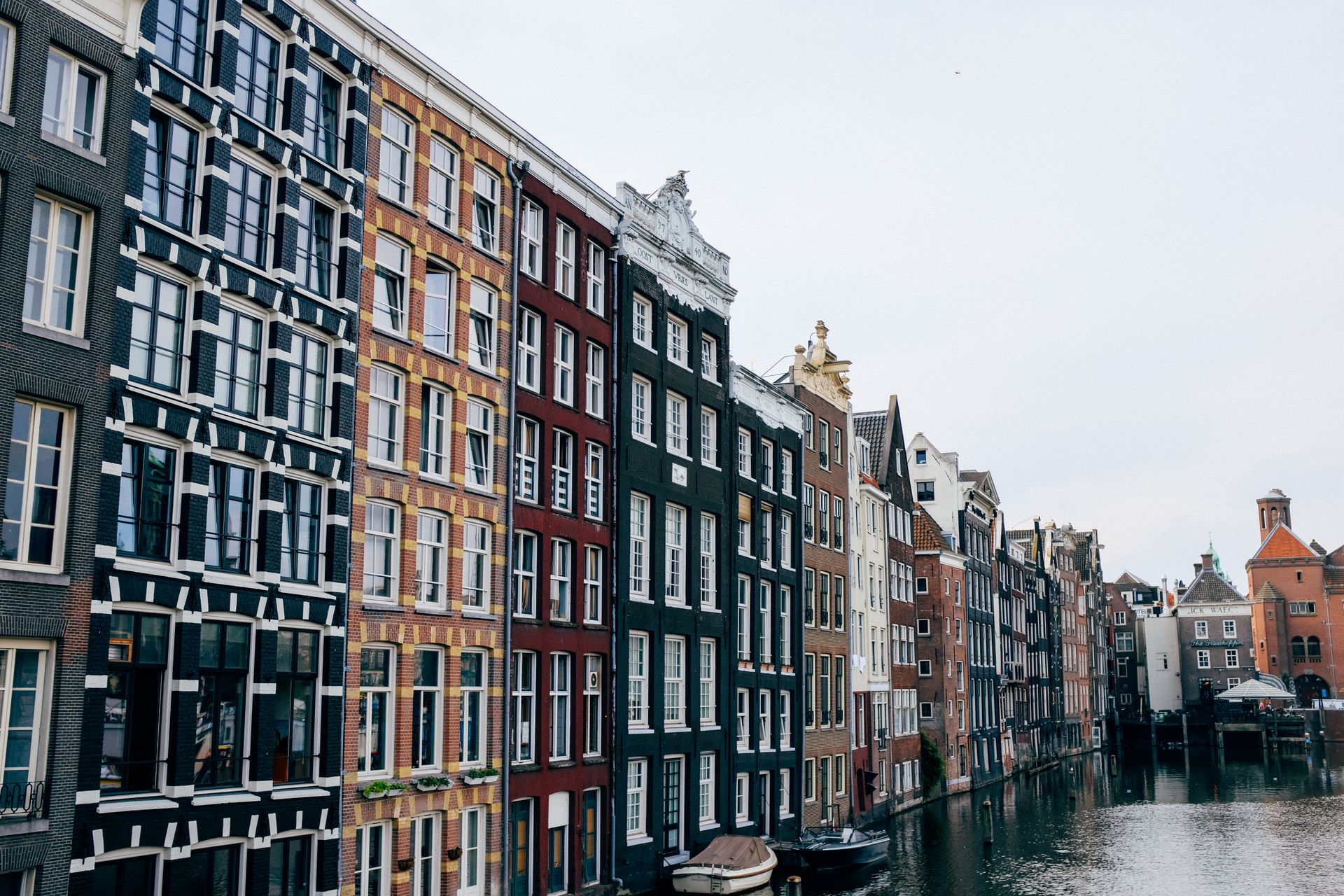
On this day: Anne Frank and seven others are arrested in Amsterdam's Secret Annex
On 4 August 1944, German security police raided a hidden annex above an Amsterdam canal-house warehouse, arresting Anne Frank, her family and four others after more than two years in hiding. Her diary, recovered afterward, became one of the world's most widely read accounts of the Holocaust.
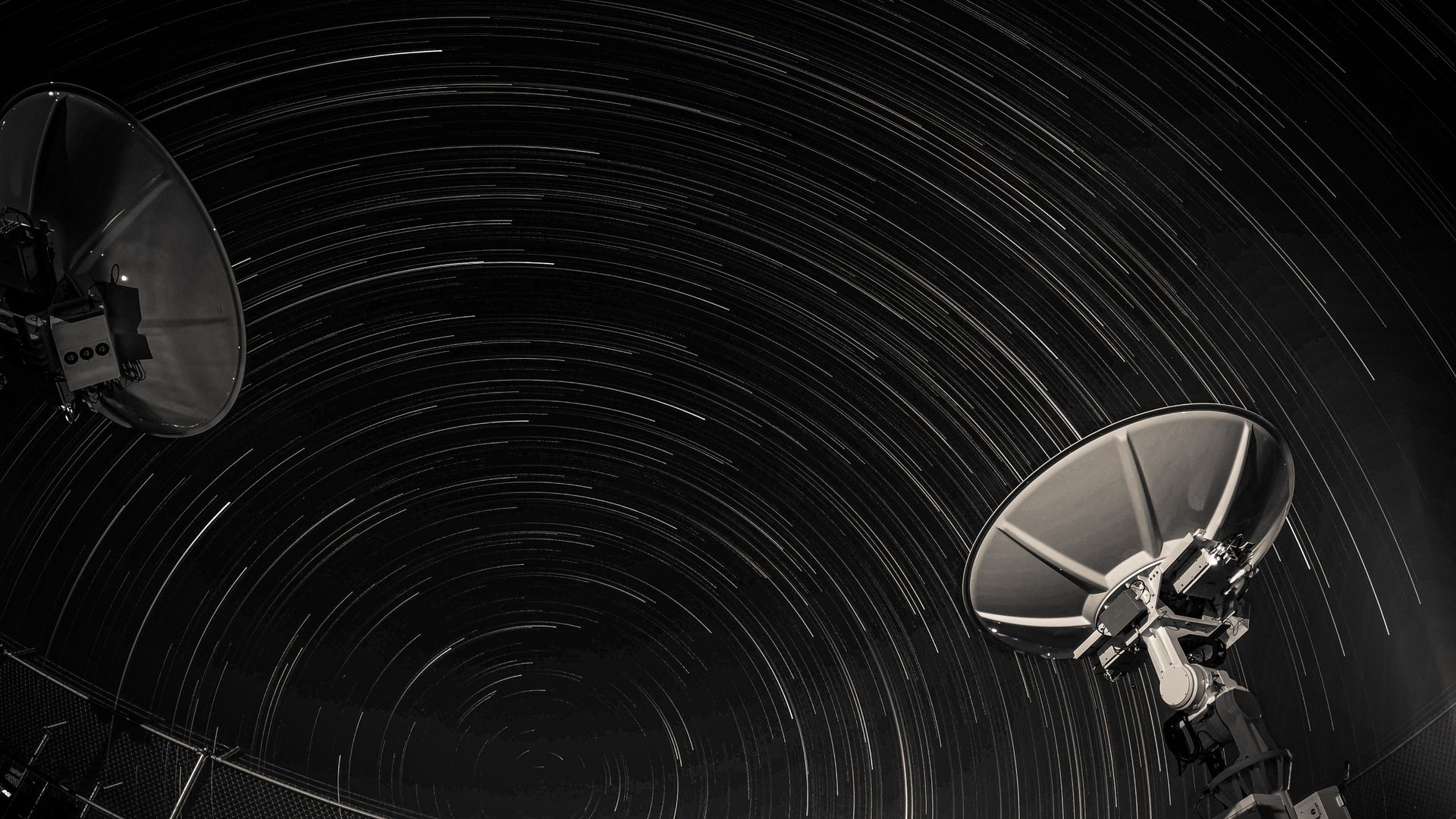
How Did the Search for Alien Life Become a Serious Scientific Field?
The scientific study of whether life exists beyond Earth, once dismissed as speculation, took shape as a formal research field called exobiology around 1960, driven by Cold War-era space exploration and advances in origin-of-life chemistry. The field later broadened into today's astrobiology, incorporating discoveries of extremophiles and exoplanets.