On this day: the World Wide Web is made publicly available (1991)

On August 6, 1991, British computer scientist Tim Berners-Lee, working at the CERN particle physics laboratory in Switzerland, posted a short message to the alt.hypertext internet newsgroup. The message summarized a project he called the 'World Wide Web' and invited anyone interested to try the code. Historians generally cite this moment as the date the Web became publicly available.
Berners-Lee had actually proposed the project two years earlier, in 1989, to make it easier for CERN colleagues to share information. The problem was straightforward: physicists arriving from around the world used different computer systems and struggled to access each other's research documents.
His solution rested on three core technologies: HTML (HyperText Markup Language), a formatting language for linking documents; HTTP (HyperText Transfer Protocol), the communication standard used to transfer those documents; and the URL (Uniform Resource Locator) system, which gave every document a unique address. Together, these three technologies still form the backbone of the internet today.
Before that 1991 announcement, Berners-Lee had already been running the world's first web server and browser on his own computer at CERN. The August message was the critical step that opened this work to researchers and enthusiasts beyond CERN's walls.
Early adoption of the Web was slow; for its first few years, the user base remained largely confined to academic and scientific circles. The real breakthrough came in 1993, when CERN declared the Web technology a public good that anyone could use free of charge, and graphical browsers like Mosaic emerged the same year.
CERN's decision — making the Web freely usable rather than patenting it — is cited by historians as one of the single biggest reasons the technology spread globally as quickly as it did. In an alternative scenario, competing licensed hypertext systems could have significantly slowed the Web's growth.
Berners-Lee repeatedly emphasized in later years that he made a deliberate choice not to commercialize his invention. That decision is widely credited with laying the foundation for the Web's open, decentralized structure today.
Today the World Wide Web hosts billions of websites and forms the daily experience of the vast majority of internet users, though technically it remains a distinct layer from the internet itself — the internet is the global network infrastructure that carries data, while the Web is an application of linked documents running on top of that infrastructure.
Berners-Lee was knighted by the British monarchy in 2004 for this contribution and won the Turing Award in 2017, computer science's most prestigious prize, often described as the field's equivalent of the Nobel.
Today, on the 34th anniversary of that brief newsgroup post, the Web's original simple idea of text and links continues to underpin a vast digital ecosystem stretching from video streaming to artificial intelligence applications.
Read next

How Britain smuggled its entire gold reserve to Canada during WWII
In 1940, fearing a Nazi invasion, Britain secretly shipped almost its entire gold reserve across the Atlantic to Canada in one of history's largest and least publicized financial evacuations. The operation was so closely guarded that only a handful of British officials even knew it was happening.

Why Did Medieval Women Choose to Be Walled In Alive in Spain?
In Astorga, Spain, a tiny stone cell wedged between two churches once housed medieval women who chose permanent enclosure as an extreme act of devotion. Historians call the practice anchoritism, documented across medieval Europe from the eleventh century onward. The cell survives as one of the few physically intact examples of a custom otherwise known mainly from written vows and church records.

Black Death in Switzerland: Why Young Laborers Suffered Most of All
New research on a seventeenth-century plague outbreak in Switzerland challenges the old idea that the Black Death struck rich and poor alike as a 'great leveller.' By cross-referencing parish and tax records, historians found the outbreak killed young, wage-earning laborers in disproportionate numbers. Researchers argue economic exposure, not chance alone, shaped who survived.

Marilyn Monroe's Death: What Really Happened on August 5, 1962
Marilyn Monroe, one of Hollywood's most famous actresses, was found dead at her Los Angeles home on August 5, 1962, at age 36. The Los Angeles County coroner's office ruled the death a probable suicide from acute barbiturate poisoning. Decades of unproven conspiracy theories have never altered the official record.
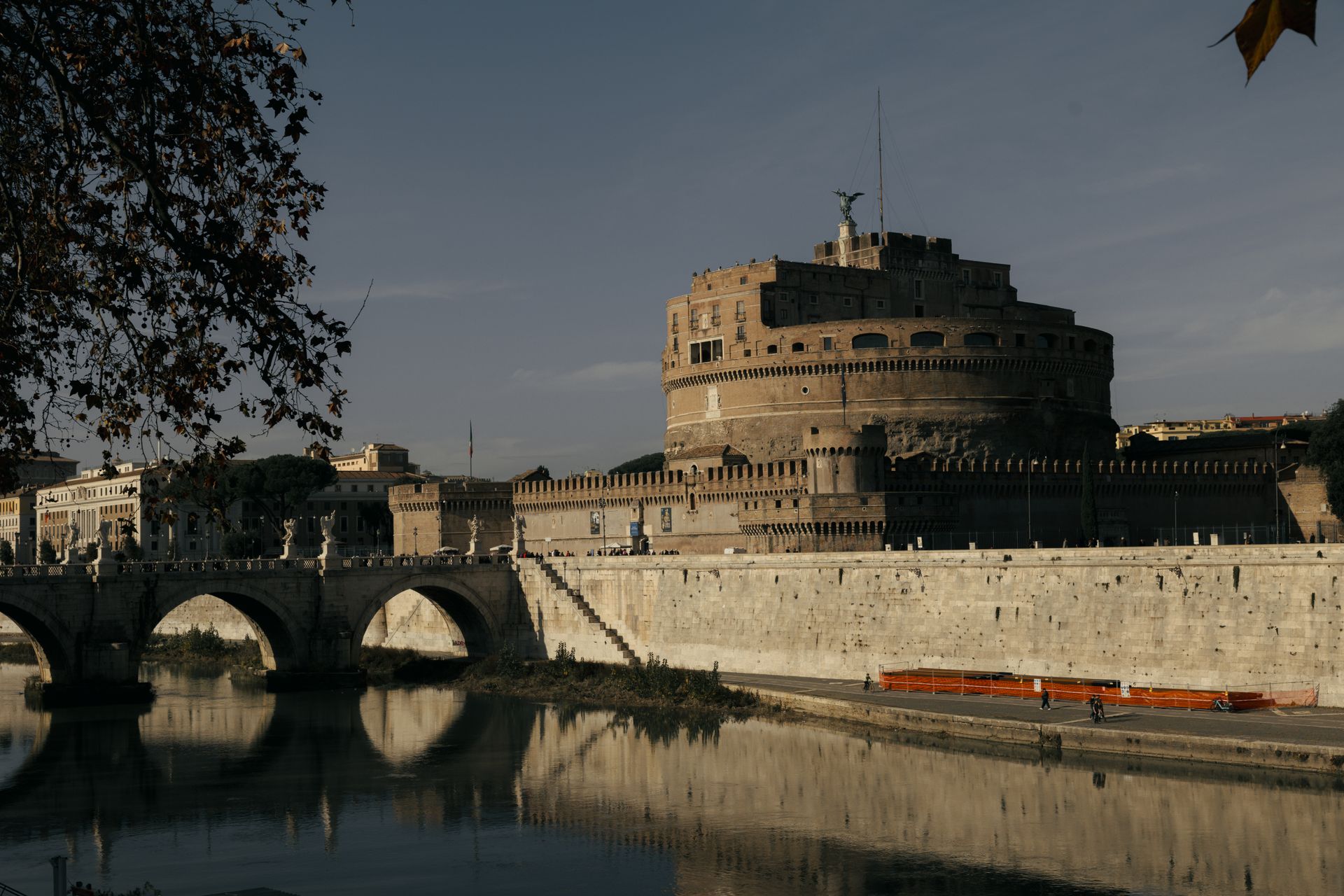
Renaissance Italy's firearm revolution: how gunpowder rewrote the rules of war
In the late 15th and 16th centuries, the fractured city-states of Italy became an unlikely laboratory for gunpowder warfare, testing early firearms and cannon that could breach walls built to withstand centuries of siege. The innovations that followed reshaped fortification design, military theory and the economics of war across Europe.