Frank Morgan at Green-Wood: the Wuppermann name behind the Wizard of Oz and an Angostura inheritance
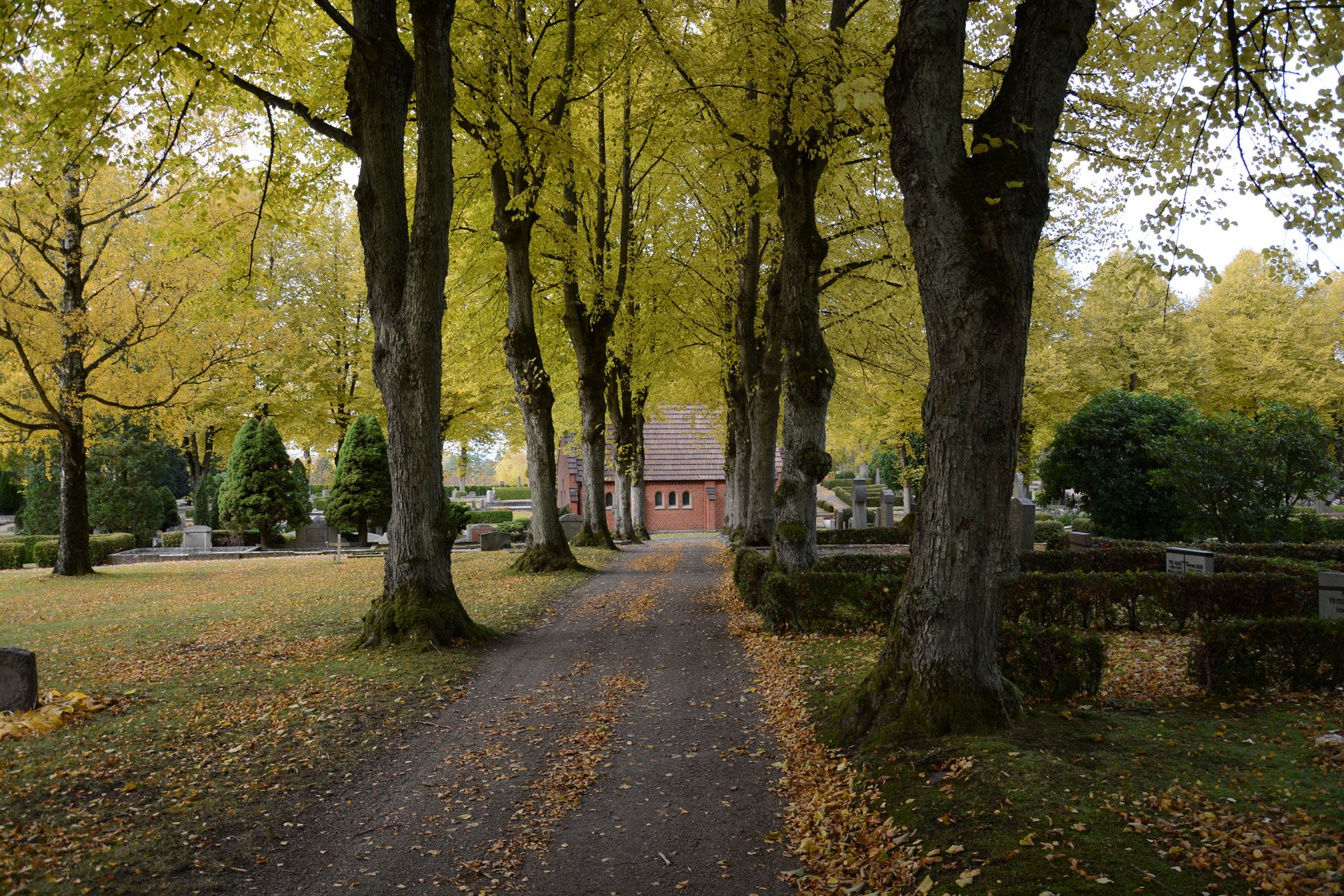
Brooklyn's Green-Wood Cemetery is a historic urban cemetery that holds Leonard Bernstein, Jean-Michel Basquiat and many other names. Among the dozens of graves there, one belongs to Frank Morgan — the actor who played the title role in MGM's 1939 "Wizard of Oz." His marker carries not his stage name, but his birth name, Wuppermann.
Morgan's real name was Francis Phillip Wuppermann. He was born in New York City in 1890, into a wealthy family. The family fortune came from the American distribution of Angostura bitters, the famous Trinidad-made aromatic bitters used in cocktails and seasonings. The American branch of the Wuppermann family had taken the distribution rights in the 1870s.
Frank largely turned his back on the inherited fortune and went into the theatre. His older cousin Ralph Wuppermann — who used the stage name Ralph Morgan — went first. Frank began on Broadway in plays like "Gentlemen Prefer Blondes," then moved to Hollywood with "The Suspect" in 1916.
He broke through in 1934, when "The Affairs of Cellini" earned him an Oscar nomination. In 1939's "Wizard of Oz" he played five roles in the same film: Professor Marvel, the gatekeeper, the cab driver, the guard, and finally the Wizard of Oz himself. The performance cemented his place as one of Hollywood's most respected character actors.
Frank Morgan appeared in about 100 films across his career. As one of MGM's contract character players from 1942 to 1949, he was part of the studio's most productive period. He was singled out in films including "The Shop Around the Corner" (1940) and "The Mortal Storm" (1940).
In 1949 he died of a heart attack in California, aged 59. His body was returned to New York and buried at the Wuppermann family plot in Green-Wood — under the Wuppermann name. It is a measure of how completely his stage name had taken over: even today many of his fans struggle to find the grave.
Green-Wood Cemetery historian Lisa Alpert told the New York Times: "The Wuppermann grave does receive visitors all year, but most people don't know who it is. The name 'Frank Morgan' was added to the headstone in 1995, a decision the family eventually accepted."
The Angostura fortune passed to subsequent Wuppermann generations. The family lost the American distribution rights in the 1990s, when the Trinidad-based House of Angostura took distribution back in-house. That is one example of the closing chapter of traditional family-distributor arrangements in the global drinks industry.
Frank Morgan's legacy goes beyond his place among MGM's golden-era character actors. The film is part of how the Wizard of Oz is fixed in American popular culture. "The Wizard of Oz" is now in the Smithsonian Museum's permanent collection.
Green-Wood Cemetery is at the corner of Fourth Avenue and 25th Street in Brooklyn. Entry is free; guided tours run on Sundays. The Wuppermann grave is in what the cemetery calls "Performers' Row," plot 5 A20. Around 1,500 film fans visit each year.