Wiarton Willie: the Ontario groundhog whose February ritual links a small town to a continent

On the shores of Georgian Bay in Ontario, the small town of Wiarton hosts one of the continent's most unusual calendar rituals every 2 February. The Atlas Obscura entry describes how the town's Groundhog Day tradition began and how it draws visitors from across Canada and beyond.
The ritual is simple at its core. Early in the morning of 2 February, residents read the behaviour of a groundhog named Wiarton Willie to see whether he sees his shadow. The tradition holds that if Willie sees his shadow there will be six more weeks of winter, and if he does not, spring is on the way. Atlas Obscura notes that in a country where winter is long, thousands still take the prediction with a serious kind of curiosity.
The origin of the town's tradition reaches back to 1956, according to Atlas Obscura. Local resident Mac McKenzie invited friends to a Groundhog Day party at the town hotel. Few accepted the invitation, but a reporter from the Toronto Daily Star, expecting a genuine festival, drove north to attend. On arrival, there was no organised event.
With the reporter facing an empty notebook, McKenzie improvised a quick scene. According to Atlas Obscura, townspeople gathered for the makeshift ceremony, and the fictionalised 'festival' was carried back to Toronto as a story, paving the way in subsequent years for a real celebration to take shape in the town. This case is often cited as a Canadian example of how a humorous anecdote can grow into a real tradition.
In the decades since, Wiarton has adopted a white-furred groundhog named Willie as its emblem. The albino animal has shaped the town's brands and visual identity. Atlas Obscura reports that the original Willie lived from 1956 to 1999 and that subsequent generations of groundhogs have carried the tradition forward.
A statue of Wiarton Willie in the town centre is a tangible expression of the tradition. The statue greets visitors in the main square and shapes both the local identity and the town's tourism profile. The Atlas Obscura entry notes that visitors stop in the town outside 2 February as well, and that the statue is a year-round attraction.
Groundhog Day, compared with the Punxsutawney Phil tradition in the United States, is a distinctively northern Canadian reading of the same ritual seed. Atlas Obscura notes that the two traditions share parallel roots but carry different accents within local culture. Wiarton Willie stands out as an example of how a small-town scale connects to the warm practice of community.
The survival of the tradition is an important part of the town's tourism economy. According to Atlas Obscura, municipal-level event organisation in Wiarton has become a meaningful revenue source that sustains winter visitor traffic. This is an example of how rural Canadian town economies can be nourished by symbolic events.
From a climatological standpoint, the groundhog's prediction has no scientific basis. The Atlas Obscura entry states this point openly; the tradition is treated as a cultural practice and does not stand in for weather-forecasting methodology. Within that framing, the tradition reads as a piece of community identity and folklore, not as a forecasting tool.
Wiarton Willie and the tradition he represents remain a concrete example of how a small Canadian town can build community identity around a symbol. Atlas Obscura's entry notes that the local community is likely to continue preserving the ritual in the years ahead, and that Wiarton will retain its place on Canada's cultural map thanks to this small groundhog.
More from History
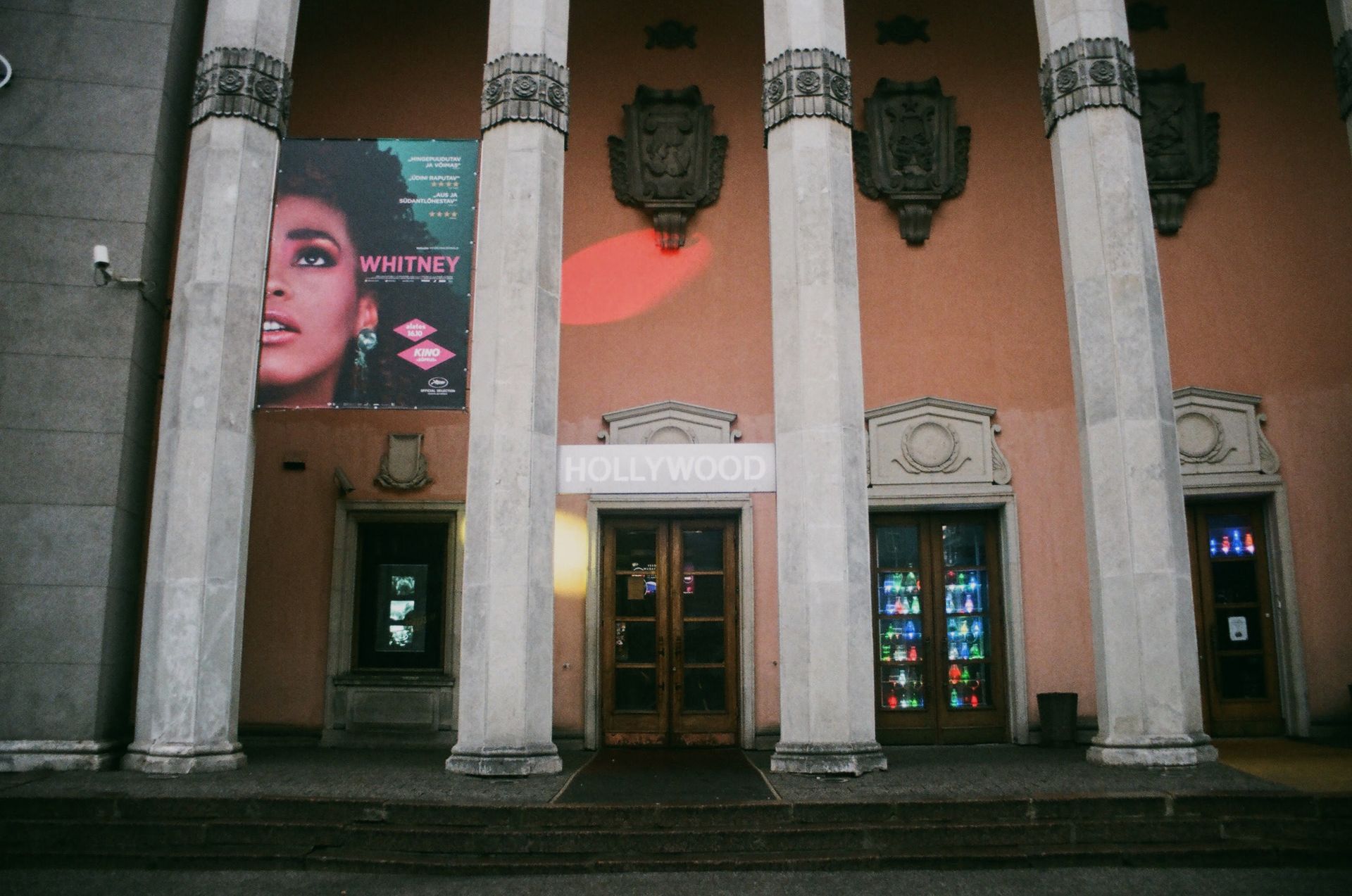
The self-made side of Marilyn Monroe: Lucy Bolton looks beyond the stereotype
Speaking on a HistoryExtra podcast, academic Lucy Bolton challenges the long-standing 'dumb blonde' stereotype around Marilyn Monroe and highlights the actress's ambition and professional discipline in building her own career. The conversation also opens up a broader academic question about how Hollywood biographies are written.
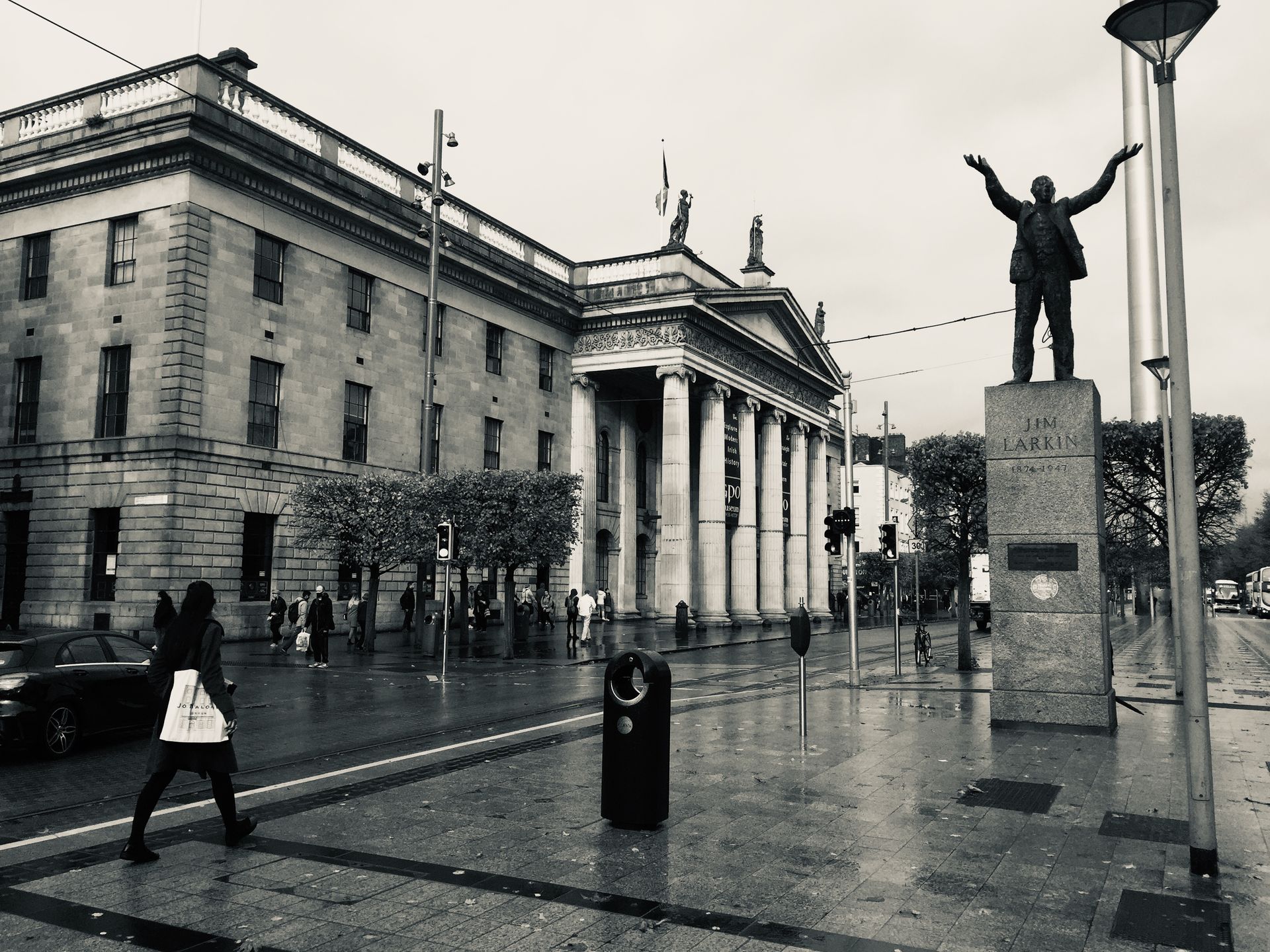
Irvine Welsh chooses James Connolly, the Irish socialist, as his history hero
Speaking to HistoryExtra's history hero column, Scottish novelist Irvine Welsh picks James Connolly (1868-1916), the Irish socialist executed in Dublin in 1916, as his choice. The selection adds a fresh literary-historical cross-reading to the magazine's regular feature.

Hotel de Paris in Georgetown, Colorado: a French elegance from the gold-rush era
Opened in 1875 by Louis Dupuy in the Colorado mining town of Georgetown, the Hotel de Paris stood out for its French cuisine and luxurious amenities during the gold-rush era. According to Atlas Obscura, the building now serves as a museum holding more than 5,000 original items from the late 19th century.