Hotel de Paris in Georgetown, Colorado: a French elegance from the gold-rush era

Built in 1875 in the Colorado mountain mining town of Georgetown, the Hotel de Paris became a rare centre of French cuisine and luxurious lodging for the mining operators and travellers of the era. The Atlas Obscura entry covers the French-born life story of founder Louis Dupuy and the singular legacy that the building has carried into the present day.
Louis Dupuy, born Adolphe François Gérard, was born in France in 1844. According to Atlas Obscura, Dupuy left seminary school for culinary studies and emigrated to the United States in 1866, working as a writer for a New York newspaper. The winding early phase of his life eventually came to rest in a mining town deep in the Colorado mountains.
Dupuy's arrival in Georgetown began with work as a mining reporter for the Rocky Mountain News. After being badly injured in a mining accident and no longer able to keep working, the townspeople launched a financial-support campaign. Atlas Obscura reports that Dupuy used the proceeds to open a restaurant, which quickly grew into the town's most important dining spot.
The restaurant expanded over time and took the name Hotel de Paris. Atlas Obscura notes that the menu, rooted in French cuisine, drew mining investors, European travellers and politicians of the era. The hotel became a distinctive lodging centre in the region thanks to its marble fireplaces, carved wooden furniture and its rare-for-the-period indoor plumbing.
Georgetown's silver and gold mining boom in the 1880s shaped the hotel's golden years. Dupuy strengthened ties with the local community and effectively became the town's French cultural anchor. Atlas Obscura reports that, during this period, the hotel functioned not just as lodging but also as the town's cultural meeting place.
After Louis Dupuy's death in 1900, the hotel was run for years under different owners. Atlas Obscura's entry notes that in 1954 the building was purchased by the Colorado State Museums system and opened as a museum. The museum is now considered part of the United States' historic-site landscape and serves as an important source on late-19th-century life in an American mountain town through its period furniture, kitchen equipment and everyday objects.
According to Atlas Obscura, the museum collection holds more than 5,000 original items dating from Dupuy's era. They include period kitchen utensils, restaurant tables, silver dining services, wines imported from France and custom-ordered furniture. These tangible artefacts offer a rich picture of luxury consumption tied to Colorado mining wealth.
Georgetown's present-day identity is part of the story too. Atlas Obscura writes that the town has preserved much of its 19th-century architectural fabric, with the Hotel de Paris sitting at the centre of that fabric. Walking its streets offers visitors a chance to see structures that took shape during the mining economy that defined the region.
Dupuy's life story remains an interesting biographical case for historians working on 19th-century US immigration. Atlas Obscura notes that his journey from France to America can be read as part of the broader trans-Atlantic migration wave of the period, and of the layered cultural inheritance that took shape in frontier towns. Historians stay close to the evidence-based frame in interpreting biographies of this kind.
The Hotel de Paris stands today as a tangible piece of heritage both for Georgetown and for Colorado's mining history. According to Atlas Obscura, the museum runs guided tours year-round and can also be hired for special events. It remains a concrete witness to how French culture could build a bridge during the golden years of a Colorado mining town.
More from History
The self-made side of Marilyn Monroe: Lucy Bolton looks beyond the stereotype
Speaking on a HistoryExtra podcast, academic Lucy Bolton challenges the long-standing 'dumb blonde' stereotype around Marilyn Monroe and highlights the actress's ambition and professional discipline in building her own career. The conversation also opens up a broader academic question about how Hollywood biographies are written.
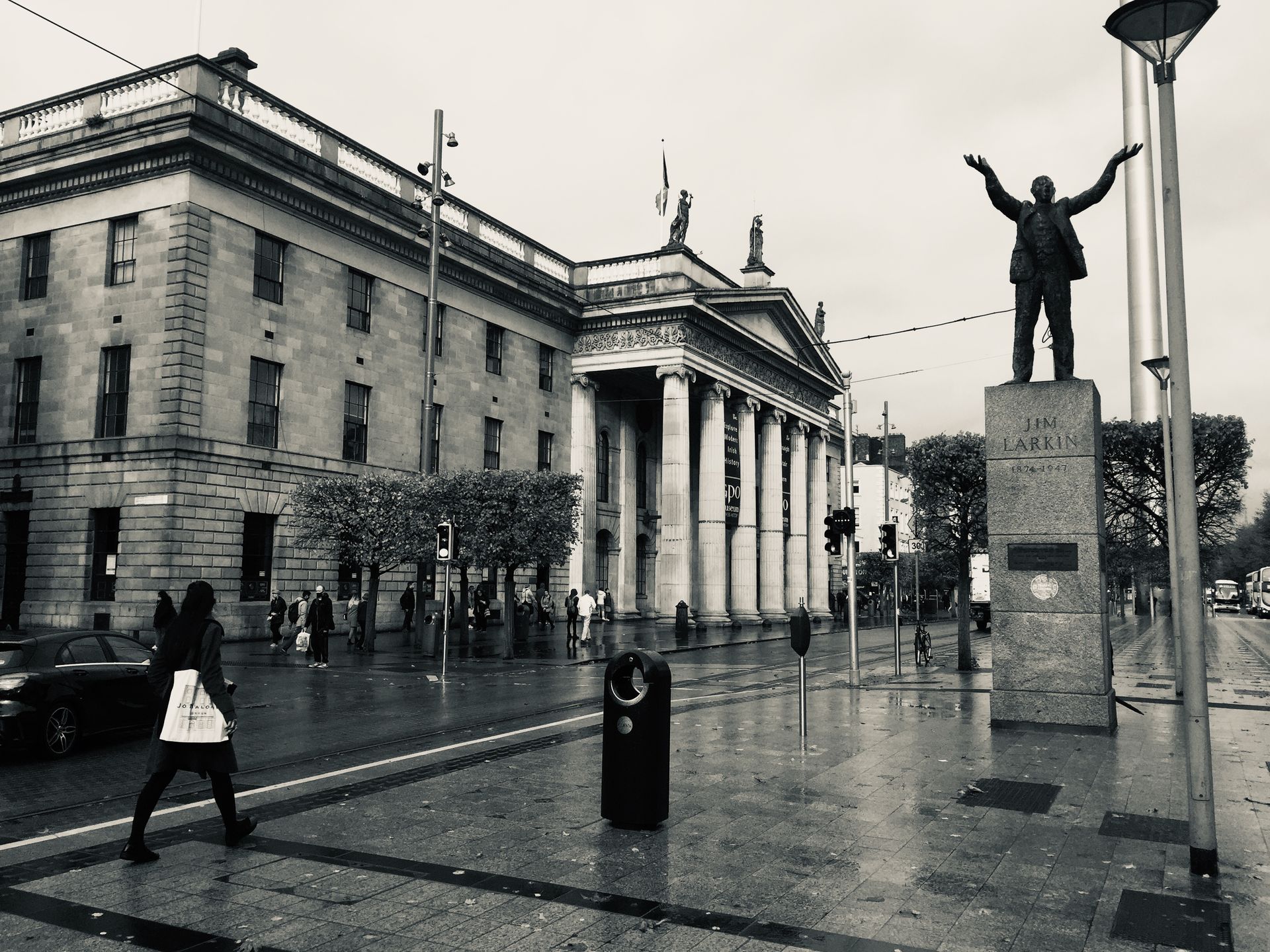
Irvine Welsh chooses James Connolly, the Irish socialist, as his history hero
Speaking to HistoryExtra's history hero column, Scottish novelist Irvine Welsh picks James Connolly (1868-1916), the Irish socialist executed in Dublin in 1916, as his choice. The selection adds a fresh literary-historical cross-reading to the magazine's regular feature.

Wiarton Willie: the Ontario groundhog whose February ritual links a small town to a continent
In the small town of Wiarton, Ontario, residents gather every 2 February at dawn to consult a groundhog about the path of winter. According to Atlas Obscura, a reporter's 1956 trip north from Toronto helped seed what is now a generational ritual known across Canada.