The self-made side of Marilyn Monroe: Lucy Bolton looks beyond the stereotype
The name Marilyn Monroe (1926-1962) is bound to one of the most recognised symbols of 20th-century American culture. In a HistoryExtra magazine podcast, academic Lucy Bolton turns attention to the self-made, career-driven side of the actress behind the 'dumb blonde' stereotype. The reading reflects the broadening horizon of academic biographical writing.
Monroe's early biography offers an important historical cross-section into the orphanage and foster-care system in the United States. Historians examine the instability of Monroe's childhood within the social-services infrastructure of the period. That foundation provides contextual ground for reading the career decisions she made in later years. In HistoryExtra's account, Bolton emphasises that this ground was decisive in shaping the actress's work ethic.
The Hollywood studio system was a significant historical structure that shaped the environment in which Monroe's career unfolded. In the 1940s and 1950s, studios signed long-term contracts with actors and tightly controlled their public image. Bolton, in the HistoryExtra podcast, stresses that Monroe's relationship with this system was not one-sided; the actress was an active participant in contract negotiations and role selection.
Monroe's move to New York in 1955 and her work with Lee Strasberg at the Actors Studio are an important step in her professional development. That period marked the start of her learning the Method-acting technique and demanding dramatic roles. Historians read that turn as a concrete sign that the actress did not want to remain within the typical patterns of the studio system. Bolton, in the HistoryExtra podcast, describes this period as decisive.
The founding of Marilyn Monroe Productions was an unusual step for the period. Created in 1954 with photographer-friend Milton Greene, the company reflected the actress's effort to produce outside the studio system and to gain the authority to choose her own roles. Historians read the company as one of the early examples of a star pursuing economic independence from studio power in Hollywood.
Monroe's filmography spans a wide spectrum between comedy and drama. Productions such as Some Like It Hot (1959) highlight her comic ability, while The Misfits (1961) sheds light on a less-evaluated side of her dramatic capacity. Bolton tells the HistoryExtra podcast that both veins were the product of conscious career decisions by the actress.
Monroe's public image was subject to varied interpretations during her lifetime. In general readers' memory the 'blonde bombshell' image came to dominate. The direction of academic biographies over the past few decades has made room for concrete documentation of the work discipline, literary reading habits and photo-portrait control behind that image. The HistoryExtra podcast stands as a current example of those re-readings.
Monroe's early death remains a complex matter for biographical writing. Historians evaluate the circumstances of her death through investigations and reports based on different sources; they favour an approach grounded in official documents and contemporary witness records rather than speculative interpretations. The HistoryExtra podcast notes that Bolton maintains an academic frame consistent with that approach.
Monroe's legacy continues today in both academic research and popular culture. Exhibitions, biographical publications and film-history research consider different dimensions of the actress. HistoryExtra emphasises that the perspective Bolton shares on the podcast adds an academic frame to that continuing interest.
The re-reading of Marilyn Monroe's career is part of a broader re-assessment of 20th-century Hollywood history. The HistoryExtra podcast contributes to the changing emphasis of academic biography by highlighting the work discipline and career decisions of the actress beyond the stereotype. Respecting the plurality of historians' interpretations, this approach offers readers a rich perspective on Monroe.
More from History
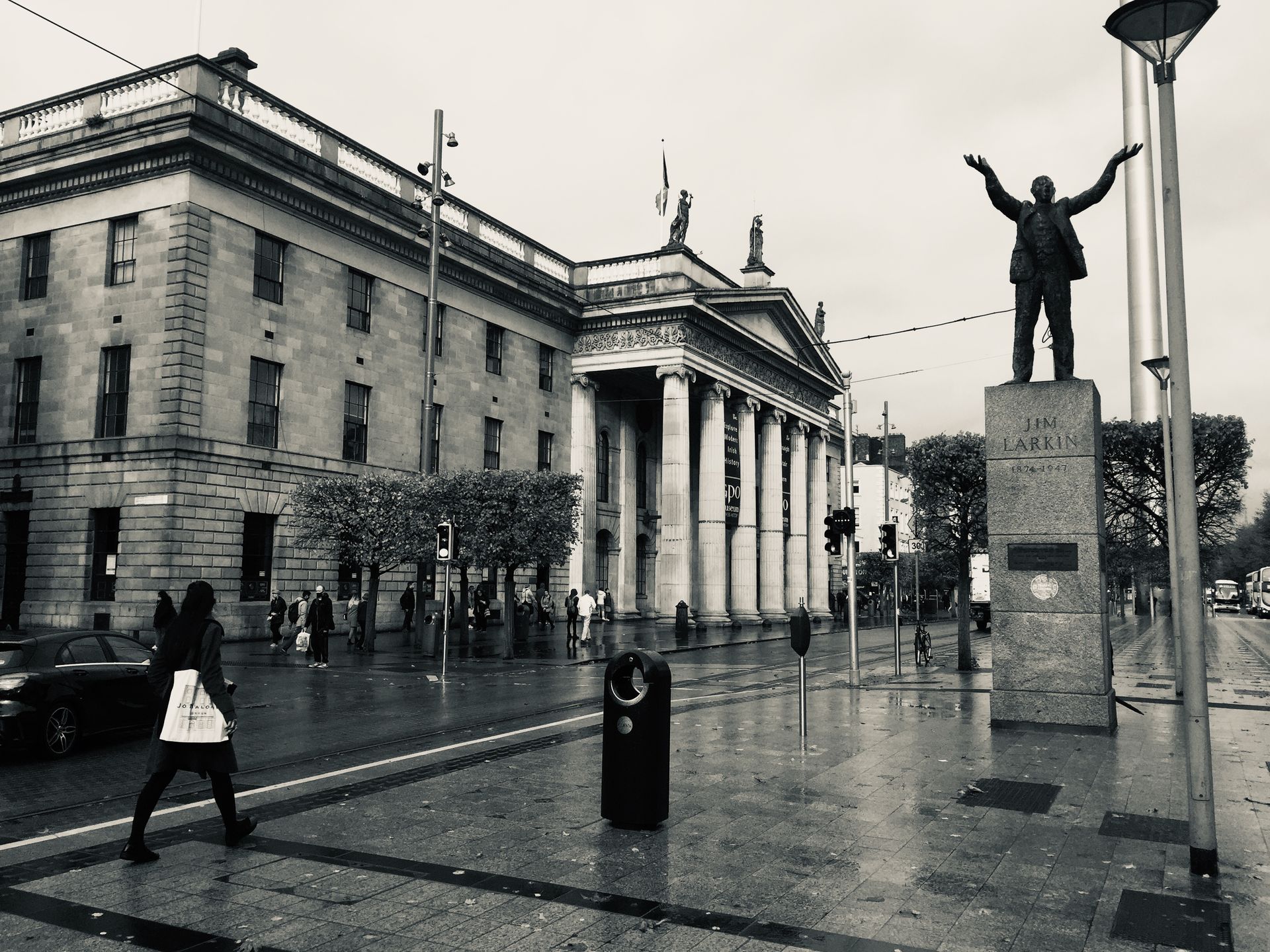
Irvine Welsh chooses James Connolly, the Irish socialist, as his history hero
Speaking to HistoryExtra's history hero column, Scottish novelist Irvine Welsh picks James Connolly (1868-1916), the Irish socialist executed in Dublin in 1916, as his choice. The selection adds a fresh literary-historical cross-reading to the magazine's regular feature.

Wiarton Willie: the Ontario groundhog whose February ritual links a small town to a continent
In the small town of Wiarton, Ontario, residents gather every 2 February at dawn to consult a groundhog about the path of winter. According to Atlas Obscura, a reporter's 1956 trip north from Toronto helped seed what is now a generational ritual known across Canada.

Hotel de Paris in Georgetown, Colorado: a French elegance from the gold-rush era
Opened in 1875 by Louis Dupuy in the Colorado mining town of Georgetown, the Hotel de Paris stood out for its French cuisine and luxurious amenities during the gold-rush era. According to Atlas Obscura, the building now serves as a museum holding more than 5,000 original items from the late 19th century.