The Gëlle Fra in Luxembourg City: the story of the Golden Lady monument — and its 26-year disappearance
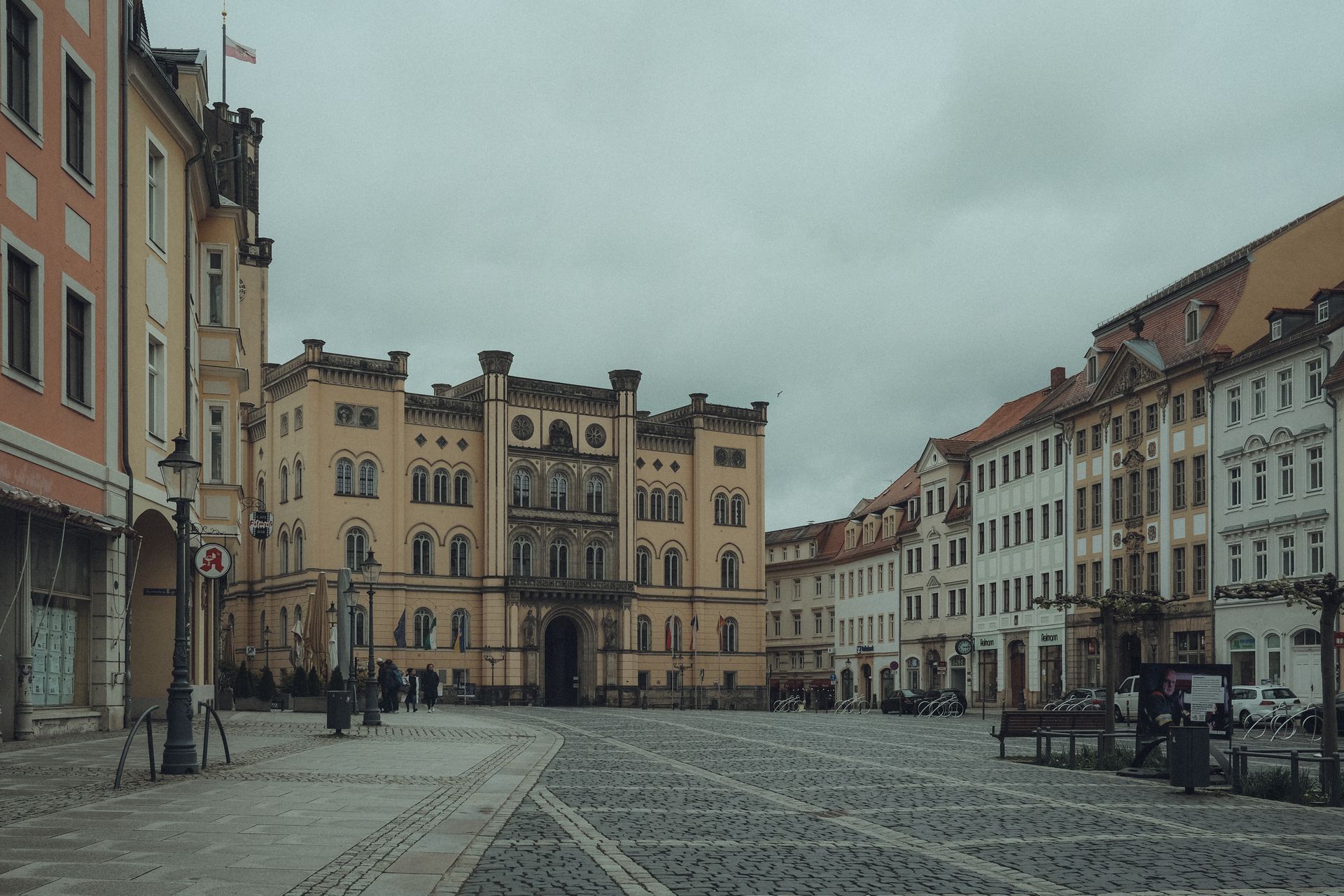
At the heart of Luxembourg City, on the Place de la Constitution overlooking the Pétrusse valley, a gold-leafed female figure stands atop a grey granite column. The Gëlle Fra — "Golden Lady" in Luxembourgish — is 3.3 metres high and weighs 1.5 tonnes. She represents Nike, the Greek goddess of victory, holding a laurel wreath.
The monument's foundation goes back over a century. The Monument du Souvenir — Monument of Remembrance — was completed in 1923. It commemorated the more than 3,000 Luxembourgish volunteers who had joined French and Belgian forces during the First World War, fighting against the Germany that had occupied neutral Luxembourg. The sculptor Claus Cito designed the composition in three layers: at the top, the Nike figure of victory; in the middle, a soldier lying as on the prow of a warship; at the base, a soldier rising.
The 1923 inauguration was controversial. Luxembourg was legally a neutral country; it had never officially joined the Allies. Yet over 3,000 Luxembourgish men had volunteered with the French and Belgian armies. The monument's position — facing Germany, roughly 100 kilometres distant — drew protests from German diplomatic missions. Luxembourg kept it in place. For a small country, the gesture was a quiet but determined assertion of sovereignty.
The true destruction came in 1940. Nazi Germany invaded Luxembourg on 10 May 1940. Gauleiter Gustav Simon ordered the monument dismantled in 1941. On 21 October 1940, German soldiers took the Gëlle Fra statue down from its column. The monument was broken apart, some pieces sent to Germany, others destroyed. Photographs from the time show that Luxembourg residents protested the removal; the demonstrations contributed to the general strike of summer 1941 against Nazi conscription.
After the war the statue disappeared — for 26 years. The Luxembourg government did not know where it was; theories circulated: a warehouse in Berlin, a scrap-metal foundry in Poland, somewhere in the Soviet occupation zone. In the early 1980s, a Luxembourgish art historian reported that during excavations beneath the Stade Josy-Barthel sports stadium in Luxembourg City, large metal fragments had been unearthed. A 1981 examination confirmed they were pieces of the original Gëlle Fra.
The restoration took four years. Working from Cito's original moulds and surviving photographs, missing parts — especially the face and the laurel wreath — were recast. A new layer of gold leaf was applied. On 23 June 1985, on Luxembourg National Day, the statue was re-erected. The ceremony was widely understood as a reaffirmation of the country's shared First- and Second-World-War memory.
In 2010 the Gëlle Fra was temporarily relocated to Shanghai for the World Expo — as the centrepiece of Luxembourg's pavilion. It was the statue's first journey outside Europe. Before that move, an extensive public debate ran in Luxembourg about how long she would be away, the conditions of transport and the symbolism of the move. In the end the statue spent six months in Shanghai and returned undamaged.
The emotional attachment Luxembourgers have for the statue runs beyond symbolism. Tourists pause to listen to local guides tell the history; but for residents, the Gëlle Fra is part of national identity. In a Luxembourgish-speaking community of fewer than 700,000 people, the monument is a concrete sign of a small nation's capacity to protect its own history and memory.
Today the Monument du Souvenir holds layered meanings across Luxembourgish generations. Dedicated in 1923 to fallen of the First World War, it was extended after 1985 to commemorate victims of the Second World War and the Luxembourg resistance. More recently the monument has been adopted as the official memorial site for Luxembourgish soldiers killed serving in United Nations peace operations — Bosnia, Kosovo, Lebanon, Mali. That trajectory mirrors the statue's evolving meaning: not the memory of a single war but a small country's continually renewed commitment to international solidarity.
Luxembourg City's historic centre is a UNESCO World Heritage site. The Place de la Constitution is accessible to tourists and remains the centre of Luxembourg's 11 November remembrance and 9 May Europe Day ceremonies. The Gëlle Fra's century-long story is a textbook example of how a small national symbol is shaped by the pressures of international history — destruction, disappearance, return, and continual reinterpretation.
Read next
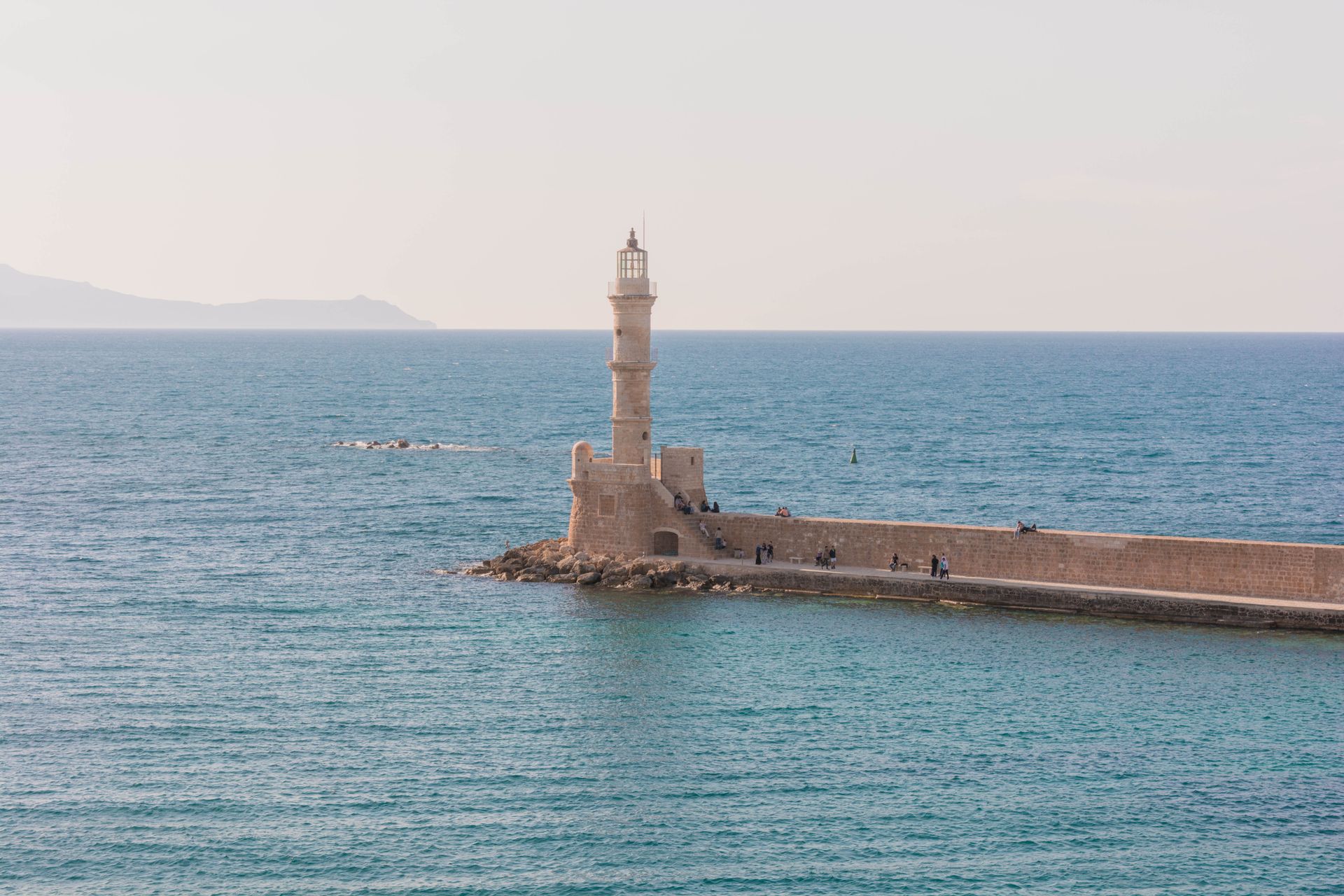
St Paul's Jetty in Samothraki: the story of Christianity's first European footprint
On the northern coast of the Greek island of Samothraki, a small stone jetty is, by tradition, the spot where the Apostle Paul crossed from Anatolia to Europe. Atlas Obscura's travel notebook describes the overlap between religious tradition and archaeological reality.
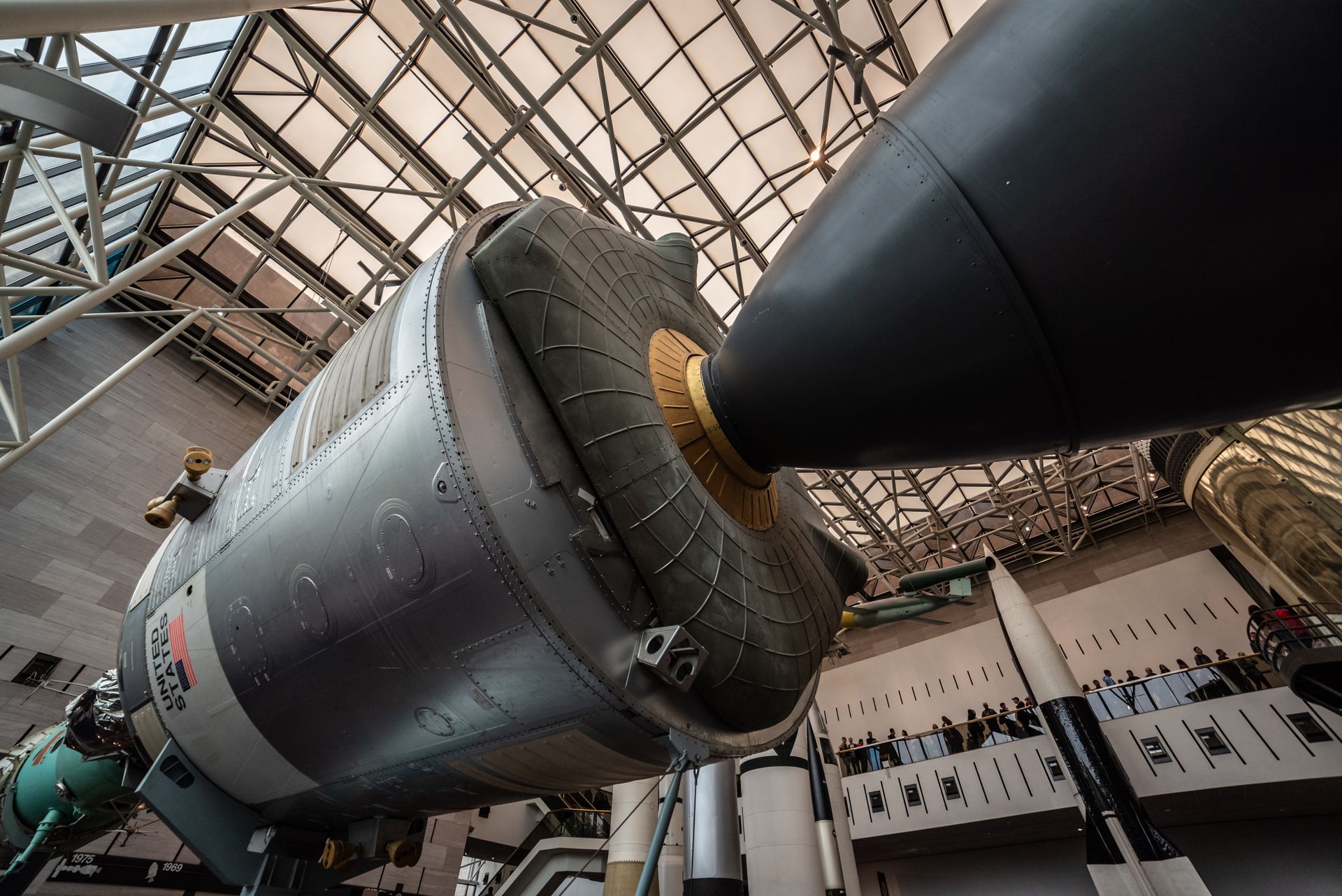
Stealing the V2 rocket: how Britain pulled off a secret WW2 intelligence coup
The Nazi Germany-built V2 ballistic missile was a key origin of the American space programme and the Cold War design era. A secret operation run by Britain's MI6 agents with the help of Polish resistance fighters delivered the war's secret weapon into Allied hands.

The five most dramatic British prime ministerial downfalls of the past 100 years
Which prime ministerial resignations have been the most jolting in the United Kingdom over the past century — and which left the longest legacies? HistoryExtra's guide reviews five case studies, from Chamberlain to Thatcher and Eden to May.

What did the American Revolution really achieve? A historian's view on the new republic, slavery and global impact
In a HistoryExtra podcast episode, University College London historian Adam IP Smith examines the strategy of the American Revolutionary War, the attritional hardship of the campaigns, and the worldwide impact of the conflict — answering the question "what did the Revolution actually achieve?" while resisting easy answers.

The history of fatherhood: seven surprising turning points from ancient law codes to modern psychoanalysis
What did fatherhood actually mean across history? HistoryExtra's seven-point survey runs from ancient Roman paterfamilias law through Industrial Revolution work patterns to Freudian psychology and modern paternity leave, tracing how the role has been re-invented across centuries.
