Stealing the V2 rocket: how Britain pulled off a secret WW2 intelligence coup
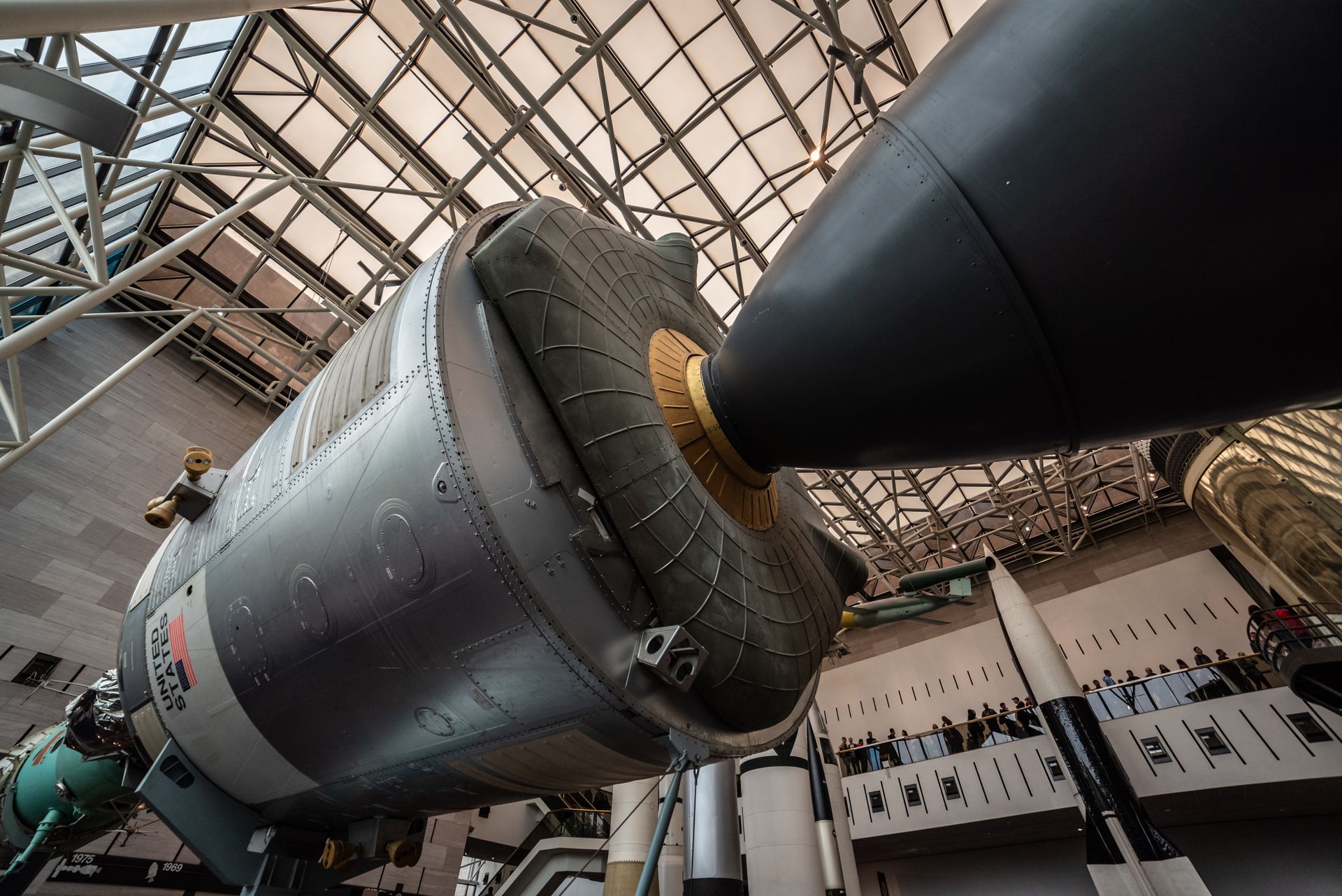
In May 1944, in a marshy area on the banks of the Bug River in eastern Poland, a small group of Polish resistance fighters and Britain's Secret Intelligence Service (MI6) agents collected the parts of Germany's next-generation V2 ballistic missile. This was the beginning of a sequence that allowed the Allies to seize the long-range weapon developed by Nazi Germany.
The V2, developed under Wernher von Braun's leadership at the Peenemünde research centre, was the first true modern ballistic missile. The 14-metre liquid-fuelled weapon could cover up to 320 kilometres in less than five minutes and strike targets at a speed beyond the reach of anti-aircraft and other defence systems. From September 1944, 1,358 V2s were fired at London; 2,754 civilians were killed.
The intelligence operation described in HistoryExtra's new podcast episode — codenamed «Wildhorn III» — was a critical step in understanding the V2. After a German test launch in March 1944, Polish resistance fighters hid the unexploded V2 fragments, gathering about a tonne of equipment on the Soviet-controlled side of the Bug River.
MI6 assigned the task of bringing the parts to Britain to a special Dakota aircraft. The operation took place on the night of 25 July 1944: a British aircraft landed on a small makeshift airstrip provided by the Polish resistance, picked up V2 parts and technical reports, and flew back. Rainy weather and pressure from German surveillance aircraft turned the mission into a near-disaster.
The parts brought back were analysed at the Royal Aircraft Establishment at Farnborough. British scientists discovered that the V2 used a mix of liquid oxygen and ethanol, was equipped with a gyroscopic guidance system, and that Germany was at least five years ahead of the Allies in rocket science. That intelligence shaped both Allied bombing priorities and post-war rocket programmes.
The end of the war turned into a race over the fate of the V2 engineers. The US Army, under «Operation Paperclip», brought 1,600 German rocket scientists, including von Braun, to the United States. The Soviets ran a similar operation, capturing hundreds of engineers such as Helmut Gröttrup to feed the Soviet rocket programme.
Von Braun became the chief designer of the Saturn V rocket in the United States; the rocket that carried Neil Armstrong to the Moon in 1969 was a direct descendant of the V2. With their captured engineers, the Soviets put Sputnik (1957) and the first crewed spaceflight (1961) into history.
Britain was less successful than the US and the Soviets at recruiting V2 engineers. But the early analyses at Farnborough laid the foundations for the Polaris submarine missile and the Black Arrow satellite-launch systems. The role of the Polish resistance remained classified for many years during the Cold War.
According to historian Sara Mendelsohn, the Wildhorn III operation is regarded as «one of the most creative and risky operations in wartime intelligence history». The farm the Polish resistance used to hide the V2 parts is today a small museum in the village of Sarnaki.
The V2's legacy is twofold: a weapon built with slave labour in Nazi concentration camps, where more than 9,000 workers died, and the technological foundation of the modern space age. That paradox is a question von Braun never managed to answer over his lifetime and continues to feed the ethics debate about scientists' wartime work.
Read next
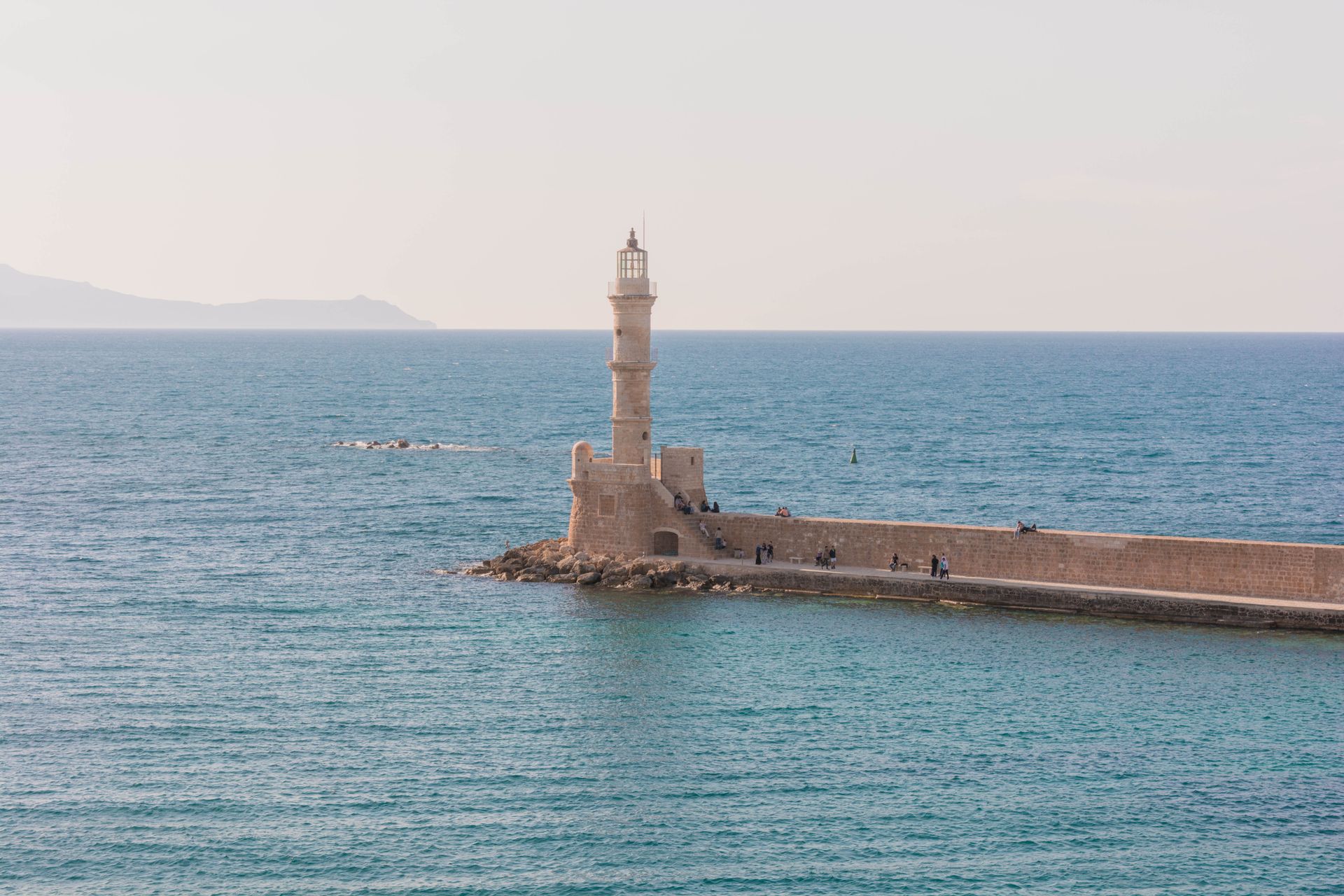
St Paul's Jetty in Samothraki: the story of Christianity's first European footprint
On the northern coast of the Greek island of Samothraki, a small stone jetty is, by tradition, the spot where the Apostle Paul crossed from Anatolia to Europe. Atlas Obscura's travel notebook describes the overlap between religious tradition and archaeological reality.

The five most dramatic British prime ministerial downfalls of the past 100 years
Which prime ministerial resignations have been the most jolting in the United Kingdom over the past century — and which left the longest legacies? HistoryExtra's guide reviews five case studies, from Chamberlain to Thatcher and Eden to May.
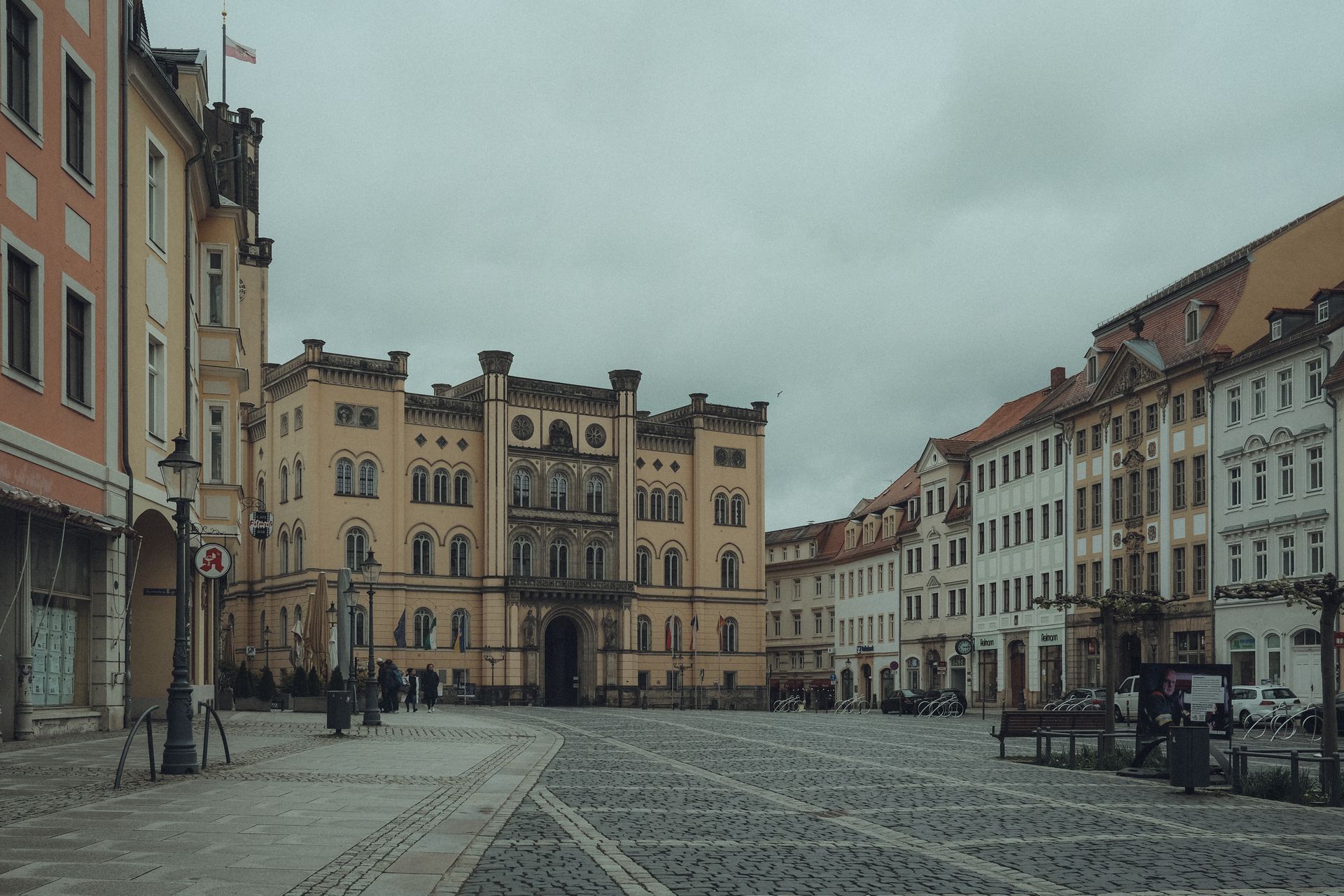
The Gëlle Fra in Luxembourg City: the story of the Golden Lady monument — and its 26-year disappearance
The Gëlle Fra — "Golden Lady" — is one of Luxembourg's most symbolic monuments, standing atop a memorial column for more than a century. Atlas Obscura's feature traces its 1923 erection, its Nazi-era destruction, its mysterious 26-year disappearance, and its 1985 return.

What did the American Revolution really achieve? A historian's view on the new republic, slavery and global impact
In a HistoryExtra podcast episode, University College London historian Adam IP Smith examines the strategy of the American Revolutionary War, the attritional hardship of the campaigns, and the worldwide impact of the conflict — answering the question "what did the Revolution actually achieve?" while resisting easy answers.

The history of fatherhood: seven surprising turning points from ancient law codes to modern psychoanalysis
What did fatherhood actually mean across history? HistoryExtra's seven-point survey runs from ancient Roman paterfamilias law through Industrial Revolution work patterns to Freudian psychology and modern paternity leave, tracing how the role has been re-invented across centuries.
