The five most dramatic British prime ministerial downfalls of the past 100 years

British politics has seen, over the past century, half of the 22 prime ministers who came to office leave not because of an election defeat but because of pressure from within their own party. HistoryExtra's guide reviews the five most dramatic downfalls of the past 100 years and shows how each reflects the changing balance of British party politics.
The first example on the list is Neville Chamberlain's resignation in 1940. Chamberlain was remembered for the «peace for our time» promise of the Munich Agreement (1938); but Nazi Germany's invasion of Norway triggered a two-day Commons sitting known as the «Norway Debate». In May 1940, when Chamberlain's majority fell to 81, he resigned and was succeeded by Winston Churchill. According to historian Andrew Roberts, it was the most important leadership transition in modern British history.
Second on the list, Anthony Eden resigned in 1956 after the Suez Crisis. Britain's military intervention with France and Israel against Egypt's nationalisation of the Suez Canal had to be withdrawn under US pressure. Eden's health collapsed, and he resigned in January 1957. The episode is now seen as the historical moment at which Britain's global role permanently shrank.
Margaret Thatcher's resignation in November 1990 is the most recent «internal coup» example on the list. The poll-tax protests and a split over European Community policy triggered a leadership challenge from Michael Heseltine inside the Conservative Party. After failing to secure enough votes in the first round, Thatcher resigned under cabinet pressure. Former MP Gyles Brandreth recalls those days as «dethroning the queen».
The fourth example is Tony Blair's June 2007 departure. Blair won a third consecutive election in 2005, but the Iraq War decision and growing tensions with his successor Gordon Brown weakened his position inside the party. In the end, Blair made way for Brown in what he described as «an orderly transition» — a rare model in Britain.
The fifth and final example is Theresa May's resignation in May 2019. Unable to push the Brexit agreement through the House of Commons in three votes, May announced her departure on the steps of Downing Street in tears. Her successor Boris Johnson was put forward with backing from the Brexit wing of the party.
These five resignations share common patterns. Each one resulted from a loss of confidence triggered by a crisis — war, economic policy, a constitutional question. Each played out through internal party mechanisms: British prime ministers stay in office through party confidence, not through elections.
On the surface there are minor differences. Chamberlain and Eden fell because of national-security crises; Thatcher and May because of intra-party policy crises. Blair, meanwhile, reached the natural limit of his time in power. But the common thread is that the departure was decided within a week.
An interesting comparison: in the United States, a president can only be removed outside an election through impeachment, something that has not happened in the past century. In Britain, the prime ministerial seat can change hands inside a week — a fundamental feature of the parliamentary system. The rapidity can be seen as a strength (quick removal of a bad leader) or as a weakness (policy continuity is fragmented).
The Times's political editor Steven Swinford said: «For a British prime minister, the most dangerous room is not the House of Commons but the meeting room of the Conservative or Labour parliamentary party». HistoryExtra's list bears that out historically: four of the five downfalls were brought about by party MPs, not by voters.
Read next
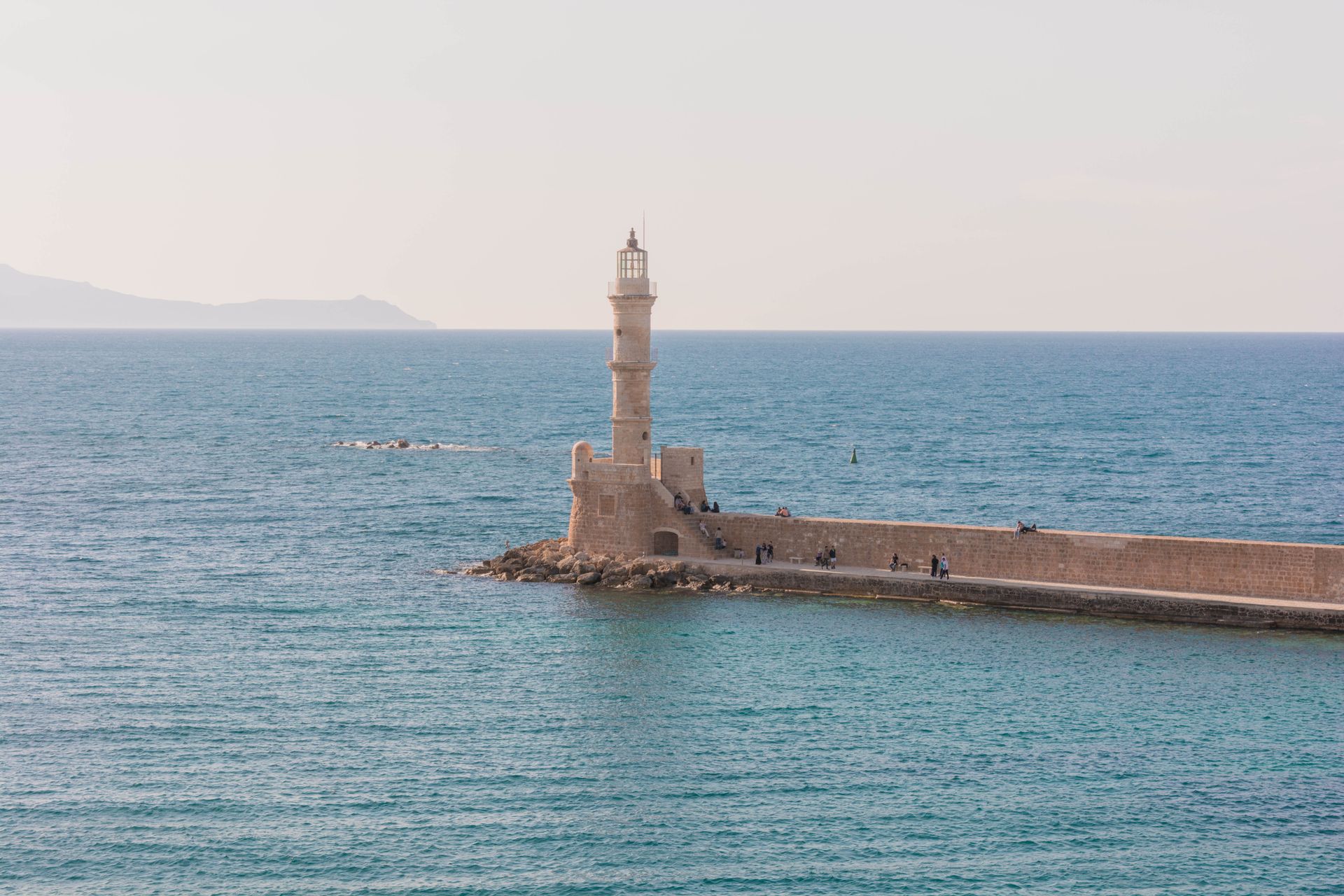
St Paul's Jetty in Samothraki: the story of Christianity's first European footprint
On the northern coast of the Greek island of Samothraki, a small stone jetty is, by tradition, the spot where the Apostle Paul crossed from Anatolia to Europe. Atlas Obscura's travel notebook describes the overlap between religious tradition and archaeological reality.
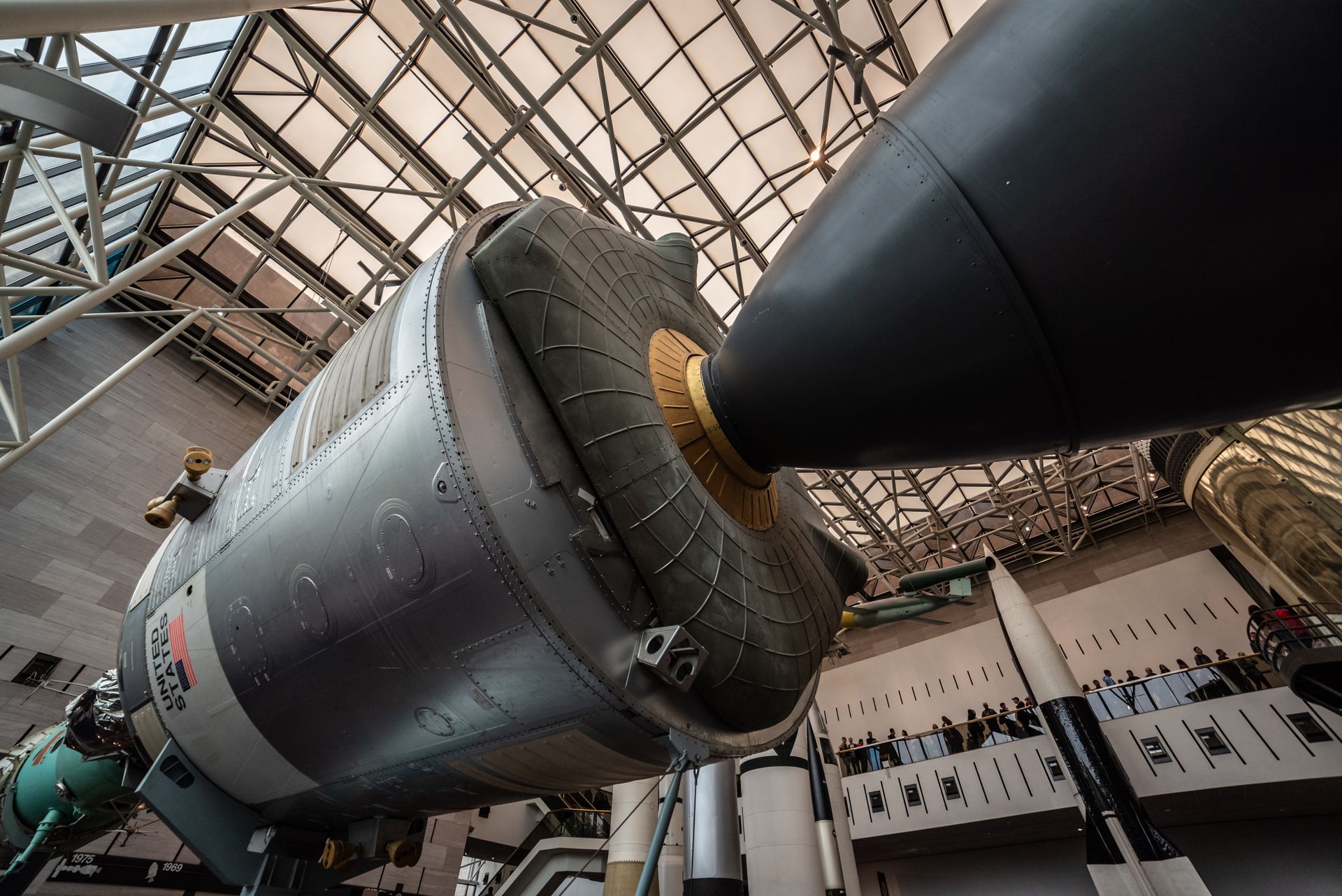
Stealing the V2 rocket: how Britain pulled off a secret WW2 intelligence coup
The Nazi Germany-built V2 ballistic missile was a key origin of the American space programme and the Cold War design era. A secret operation run by Britain's MI6 agents with the help of Polish resistance fighters delivered the war's secret weapon into Allied hands.

The Gëlle Fra in Luxembourg City: the story of the Golden Lady monument — and its 26-year disappearance
The Gëlle Fra — "Golden Lady" — is one of Luxembourg's most symbolic monuments, standing atop a memorial column for more than a century. Atlas Obscura's feature traces its 1923 erection, its Nazi-era destruction, its mysterious 26-year disappearance, and its 1985 return.

What did the American Revolution really achieve? A historian's view on the new republic, slavery and global impact
In a HistoryExtra podcast episode, University College London historian Adam IP Smith examines the strategy of the American Revolutionary War, the attritional hardship of the campaigns, and the worldwide impact of the conflict — answering the question "what did the Revolution actually achieve?" while resisting easy answers.

The history of fatherhood: seven surprising turning points from ancient law codes to modern psychoanalysis
What did fatherhood actually mean across history? HistoryExtra's seven-point survey runs from ancient Roman paterfamilias law through Industrial Revolution work patterns to Freudian psychology and modern paternity leave, tracing how the role has been re-invented across centuries.
