St Paul's Jetty in Samothraki: the story of Christianity's first European footprint
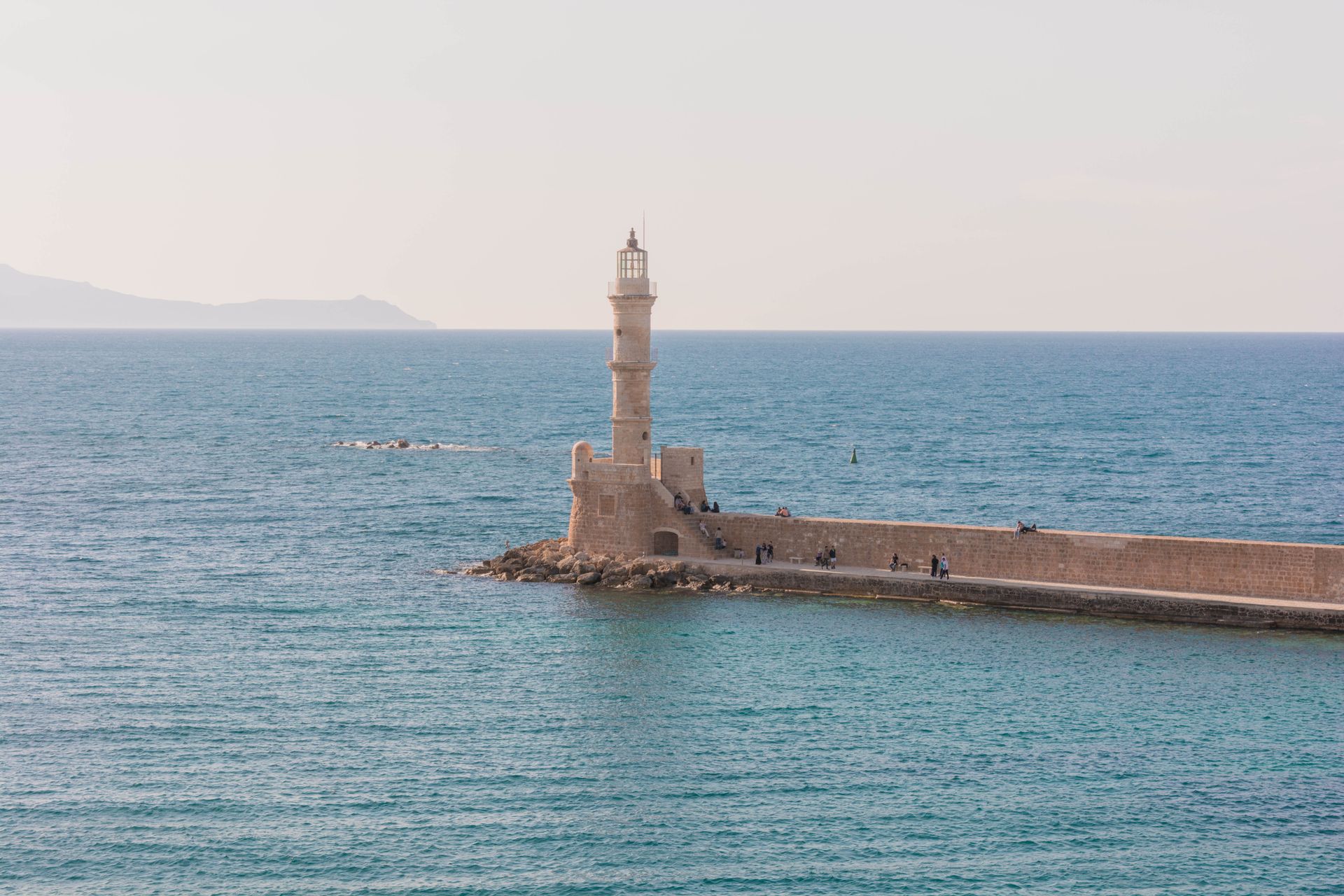
Samothraki, the volcanic island in the northern Aegean, sat at a strategic point along the shortest sea crossing between Anatolia and Europe in the ancient world. According to Atlas Obscura's travel notebook, the small stone jetty on the island's northern coast is, by tradition, the harbour the Apostle Paul used around AD 49-50 as he crossed from Anatolia into Europe.
Chapter 16 of the Acts of the Apostles describes Paul setting sail at night from the port of Troas (near today's Troy) and going directly to Samothraki, and from there to Neapolis (modern-day Kavala). It is the only place in the New Testament where Christianity's missionary crossing from Asia to Europe is directly described.
The jetty's exact location remains debated. Paleopolis bay, on the island's northern coast, was the harbour of the ancient city of Samothraki; modern archaeologists date the stone structures of the bay to the 3rd century BC. Local Orthodox tradition, however, calls a small structure at the western end of the bay «St Paul's Jetty».
The island's real archaeological importance lies elsewhere: the Sanctuary of the Great Gods. Operational from the 7th century BC, this sanctuary was the centre of the secretive Cabeiri Mysteries initiation rites attended by Greek, Thracian and Roman elites. According to Plutarch, Alexander the Great's father Philip II met his mother Olympias at this sanctuary.
The world-famous Winged Victory of Samothraki (the «Nike of Samothrace» at the Louvre) was excavated from this sanctuary in 1863. The statue had been erected around 220 BC to celebrate a Greek naval victory against the Persian navy. The piece is one of the most photographed artefacts in the Louvre's collection.
Paul's visit to Samothraki was only an overnight stop. But it was theologically transformative. The island's then still-active Sanctuary of the Great Gods was one of the most imposing pagan cults Paul would encounter. A few centuries later, when Christianity was declared the official religion of Rome, the Samothraki sanctuary was abandoned.
The island's current population is about 2,800; the economy depends on tourism and small-scale olive cultivation. Annual visitor numbers are around 35,000; the great majority are summer travellers crossing from Turkey via the Çanakkale-Alexandroupoli line.
According to Atlas Obscura writer Anna Mason, «the jetty itself is unprepossessing, but its meaning is incommensurably large; standing there, you feel the shortest geographical and cultural distance between two continents». On clear days, the Turkish coast is visible from Samothraki with the naked eye.
Beyond its cultural treasures, Samothraki is also interesting from a natural standpoint: the 1,600-metre Mount Fengari is one of the highest points in the Aegean. In Homer's Iliad, it is named as the spot where Poseidon sat watching the Trojan War.
Northern Aegean tourism has grown rapidly over the past decade; the Greek Ministry of Tourism is preparing a cultural-tourism master plan covering 2027-2030 for Samothraki. The plan envisages more substantial restoration of the Sanctuary of the Great Gods and a visitor centre on the Paleopolis shoreline. Smaller cultural monuments such as St Paul's Jetty are a secondary but important component of the plan.
Read next
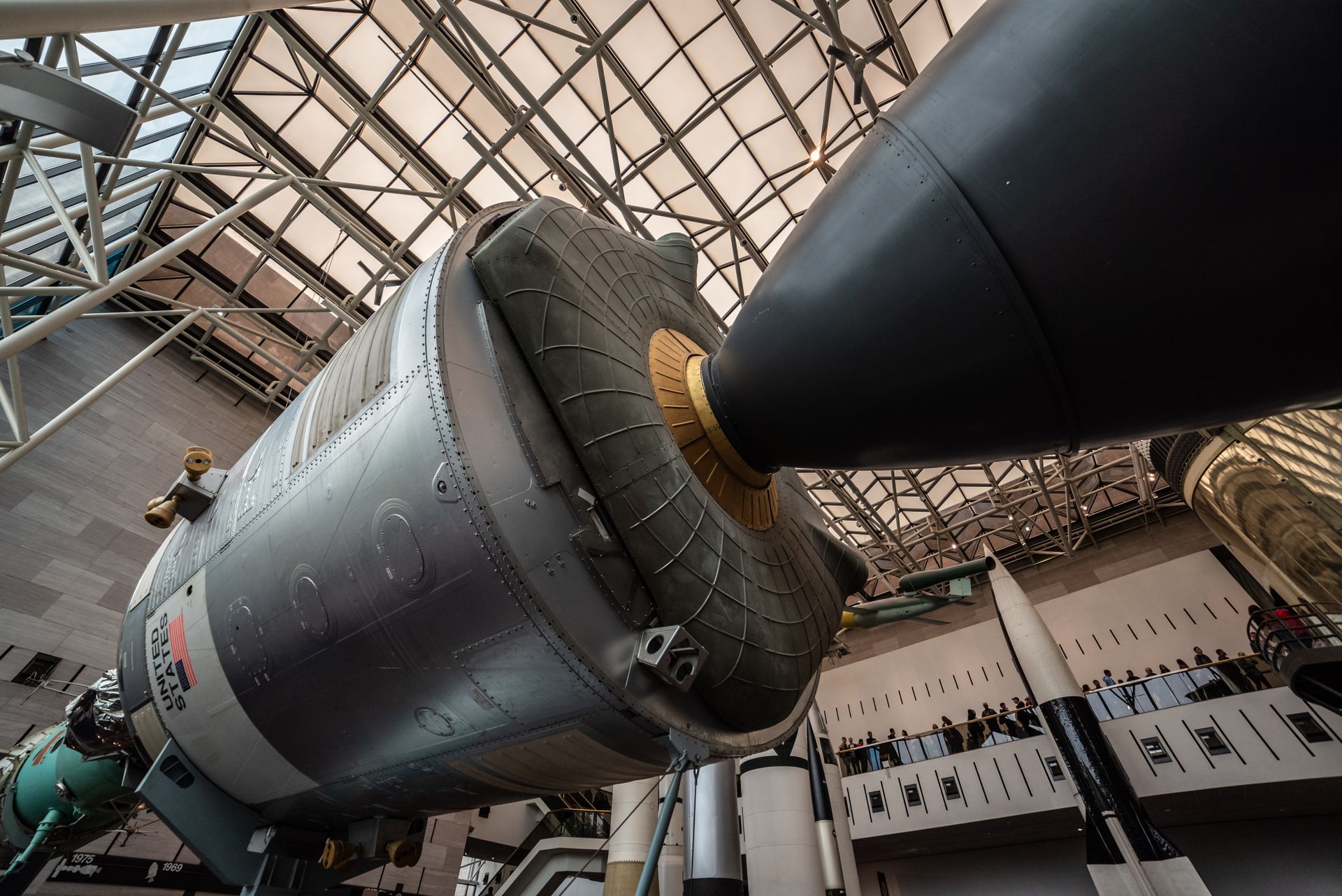
Stealing the V2 rocket: how Britain pulled off a secret WW2 intelligence coup
The Nazi Germany-built V2 ballistic missile was a key origin of the American space programme and the Cold War design era. A secret operation run by Britain's MI6 agents with the help of Polish resistance fighters delivered the war's secret weapon into Allied hands.

The five most dramatic British prime ministerial downfalls of the past 100 years
Which prime ministerial resignations have been the most jolting in the United Kingdom over the past century — and which left the longest legacies? HistoryExtra's guide reviews five case studies, from Chamberlain to Thatcher and Eden to May.
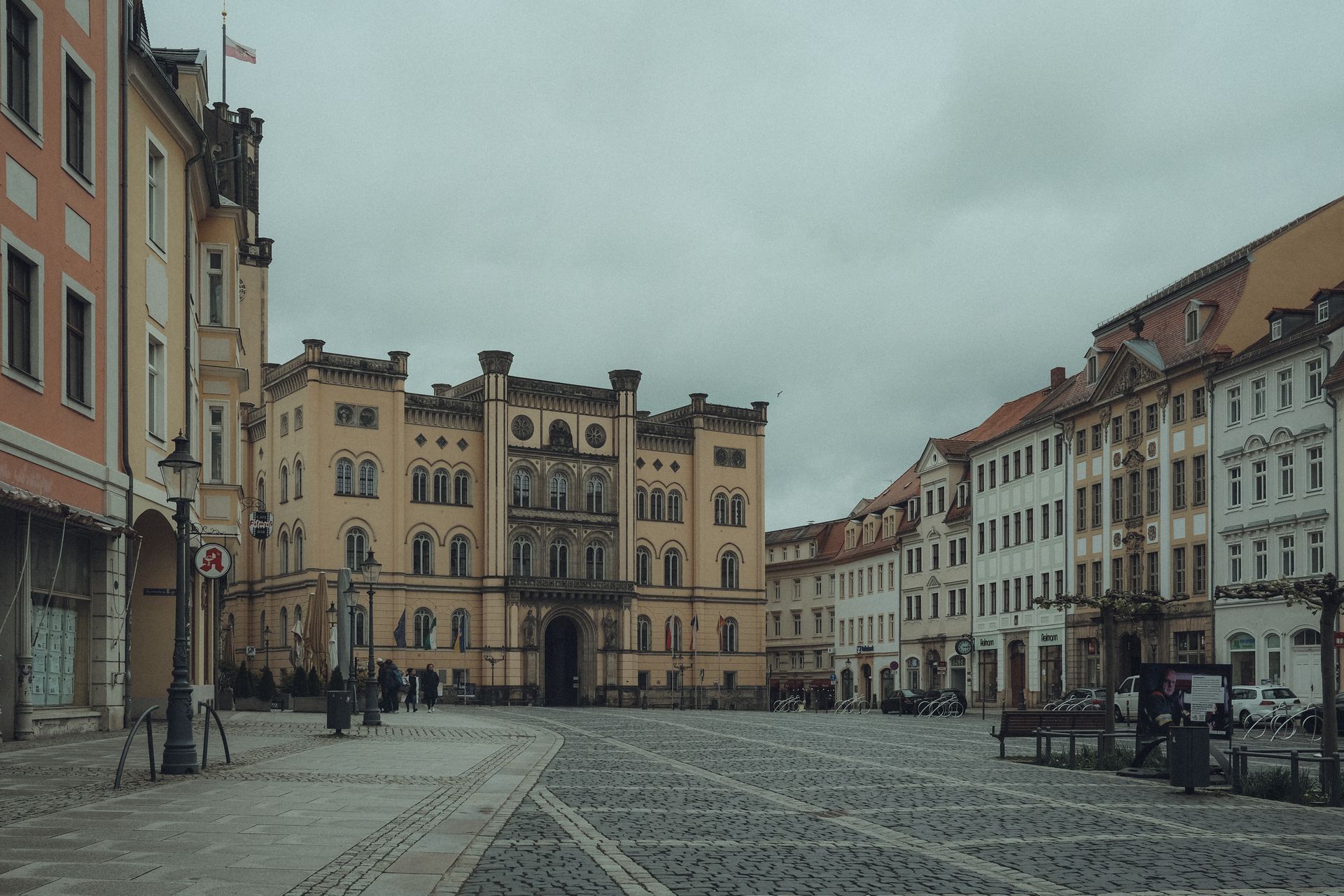
The Gëlle Fra in Luxembourg City: the story of the Golden Lady monument — and its 26-year disappearance
The Gëlle Fra — "Golden Lady" — is one of Luxembourg's most symbolic monuments, standing atop a memorial column for more than a century. Atlas Obscura's feature traces its 1923 erection, its Nazi-era destruction, its mysterious 26-year disappearance, and its 1985 return.

What did the American Revolution really achieve? A historian's view on the new republic, slavery and global impact
In a HistoryExtra podcast episode, University College London historian Adam IP Smith examines the strategy of the American Revolutionary War, the attritional hardship of the campaigns, and the worldwide impact of the conflict — answering the question "what did the Revolution actually achieve?" while resisting easy answers.

The history of fatherhood: seven surprising turning points from ancient law codes to modern psychoanalysis
What did fatherhood actually mean across history? HistoryExtra's seven-point survey runs from ancient Roman paterfamilias law through Industrial Revolution work patterns to Freudian psychology and modern paternity leave, tracing how the role has been re-invented across centuries.
