Why has it been so hard to reform the House of Lords? A century of political history
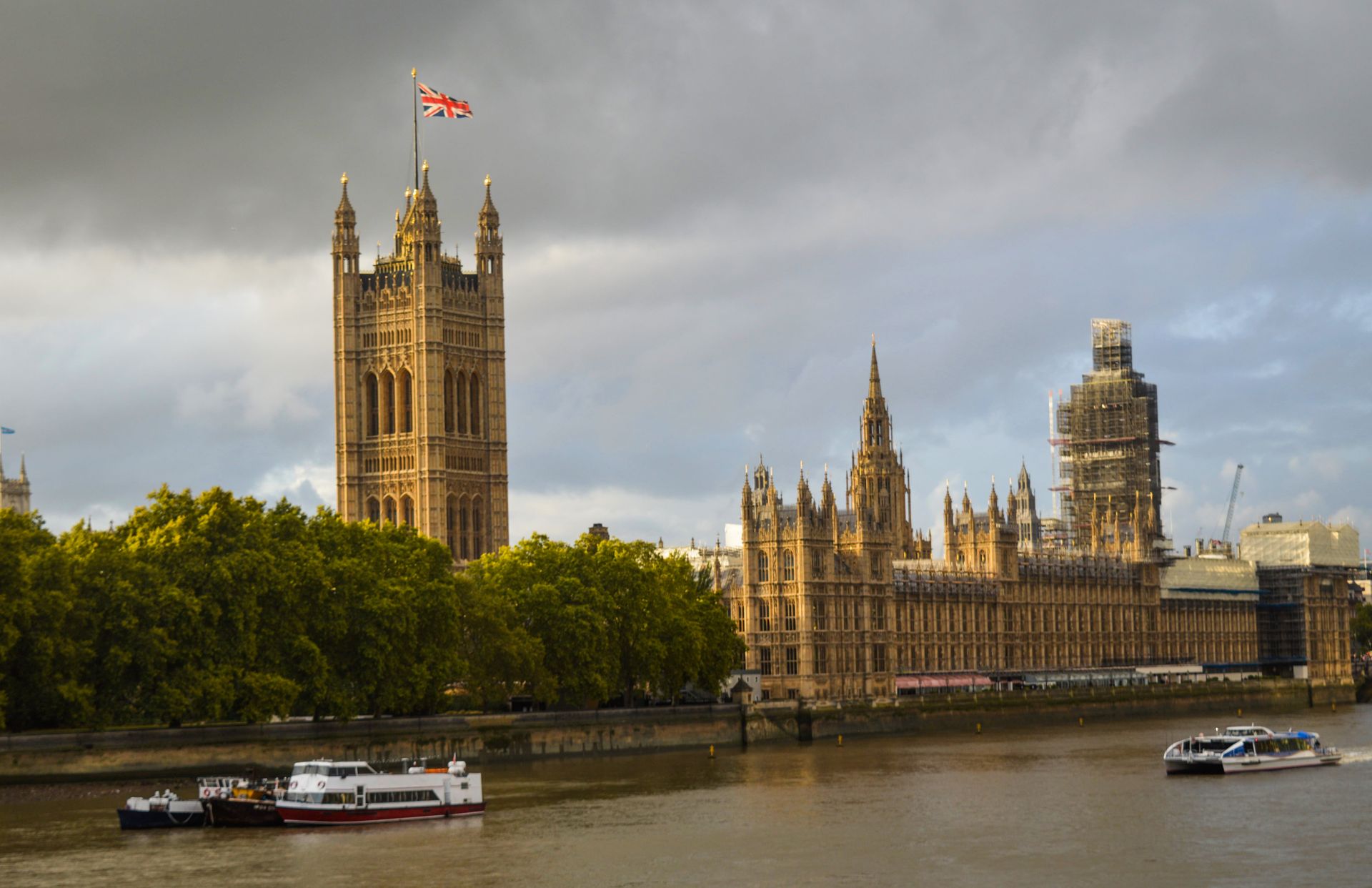
Britain's House of Lords is one of the most distinctive and most-debated upper chambers in any modern parliamentary system. A new essay in HistoryExtra looks at how the institution has been the subject of repeated major reform debates since 1911 yet root-and-branch transformation has been deferred every time. The piece sets out the political balancing acts behind those failures.
The shape of today's House of Lords was set by the 1911 Parliament Act. That law sharply restricted the upper chamber's power to block money bills and the legislative process more generally. The Liberal government passed it with the supporting signature of King George V after the Lords had rejected David Lloyd George's "People's Budget", which sought to shift the tax burden onto the aristocracy.
The 1911 reform was designed as a restriction of powers rather than structural change. The number of aristocratic members was not cut and the hereditary succession of seats was not stopped. That set up the need for further reforms across the 20th century. The 1949 Parliament Act further reduced the Lords' delaying power on legislation from two years to one.
The second major wave came with the 1958 Life Peerages Act, which created the appointed "life peer" class whose seats expired with the holder. That offered a mechanism to reduce the share of hereditary seats over the long term. The 1999 House of Lords Act was a more radical step, removing all but 92 hereditary peers.
The 1999 reform was framed by Tony Blair's Labour government as "phase one". Phase two would have created a fully elected upper chamber. But phase two never came. Successive governments produced reform bills in 2003, 2007, 2012 and 2024. None became law.
A shared reason for these failures is intra-party division and the fear that an elected upper chamber would acquire the legitimacy to compete with the House of Commons. A 2012 bill from the Cameron-Clegg coalition had to be withdrawn after wavering within its own party groups.
Today's House of Lords has roughly 780 members, making it one of the largest upper chambers in the world. The great majority are appointed for life. The current structure includes 26 seats for religious leaders (the Lords Spiritual), 92 seats for hereditary peers and the remainder for life peers.
The latest reform debate has revived under the Labour government's December 2024 manifesto. The Starmer government proposes removing the hereditary peers altogether and cutting the chamber to 600 members. The bill was introduced to parliament in early 2025 but has been stuck in committee stages.
Supporters of reform point to the democratic legitimacy gap; opponents argue that an elected upper chamber would compete continuously with the Commons and risk legislative gridlock. The US Senate is often cited as a comparator; there senators elected at state level can effectively command the legislative agenda.
The HistoryExtra author Dr Andrew Blick concludes that Lords reform is a political rather than a technical problem. Britain's unwritten constitution offers the flexibility to try many different upper-chamber models, but the will of governments to complete reform has been lost to other priorities each time. Blick writes that the current reform bill is likely also to stall mid-course.
Read next
Oslo's Black Death Monument: traces of plague in Europe's memory
Oslo's Peststøtten monument is one of the few public memorials that mark the year 1349, when the Black Death reached Norway, and the social destruction it caused. Atlas Obscura looks at the monument's history, design and why plague memory still matters in today's Europe.

Bulford finds may unlock a major Stonehenge mystery
New finds from an excavation at Bulford, about three kilometres east of Stonehenge, are offering clues about how social life was organised between the monument's construction and its later ritual use.
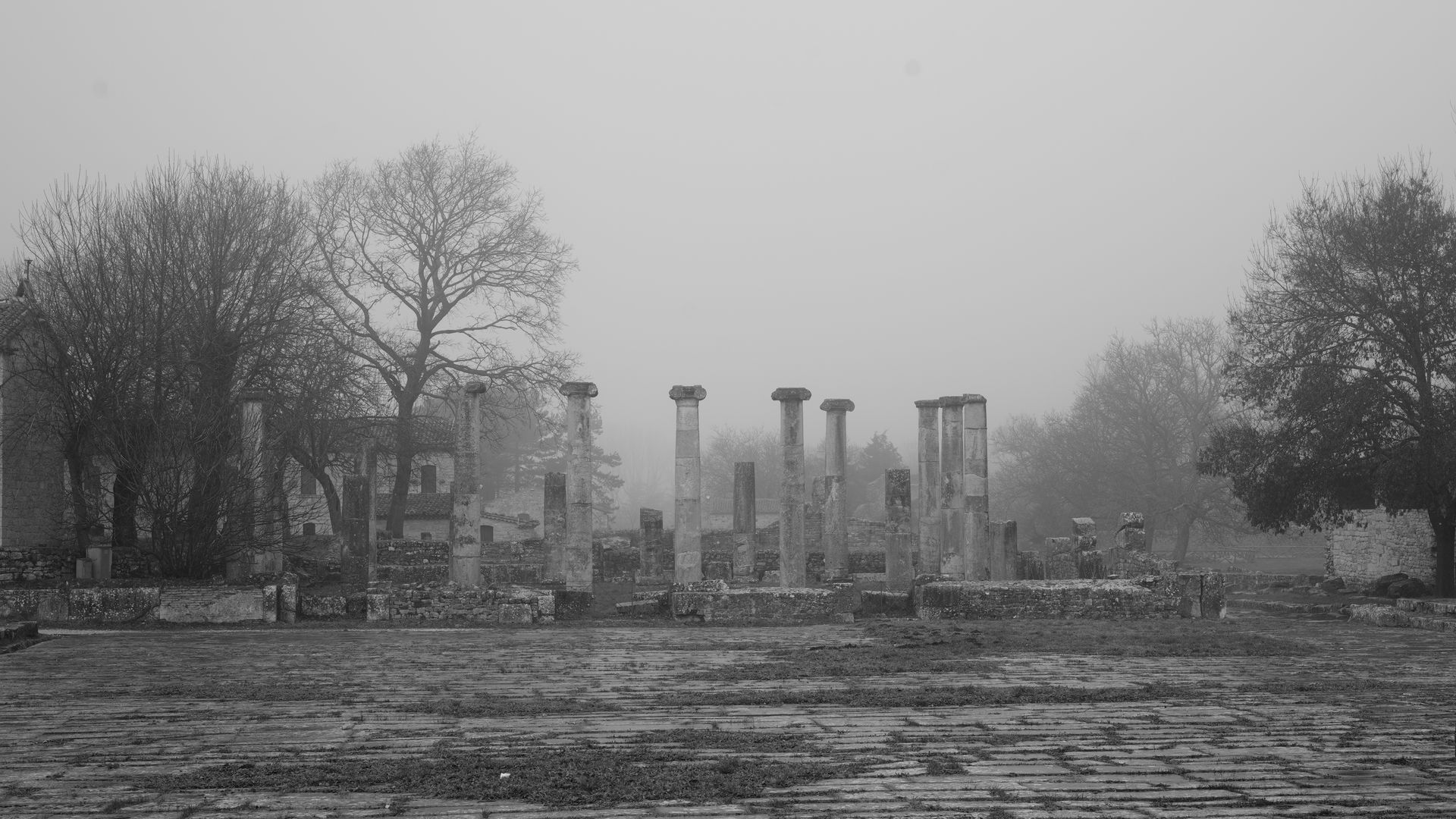
Before the volcano: seven layers of everyday life in ancient Pompeii
HistoryExtra's new Pompeii series examines the social, economic and religious fabric of the city before the AD 79 eruption. The findings give a close look at a middle-class town of ancient Rome.

Alexander the Great's life: a world empire compressed into 33 years
HistoryExtra's 'Life of the Week' series traces Alexander the Great's 33-year life and the empire that stretched from the Adriatic to the Indus. Historians' commentary illuminates the political, military and cultural ground of his era.
Briefly the richest man alive: Andrew Carnegie and the rise of the 'tiny titan'
Andrew Carnegie was briefly the richest man alive at the peak of his fortune in 1901. A biographical sketch summarised by HistoryExtra traces how a poor Scottish immigrant built a steel empire and then turned to a vast philanthropic second act.