Britain's muskrat empire: how an escaped fur animal became a pest
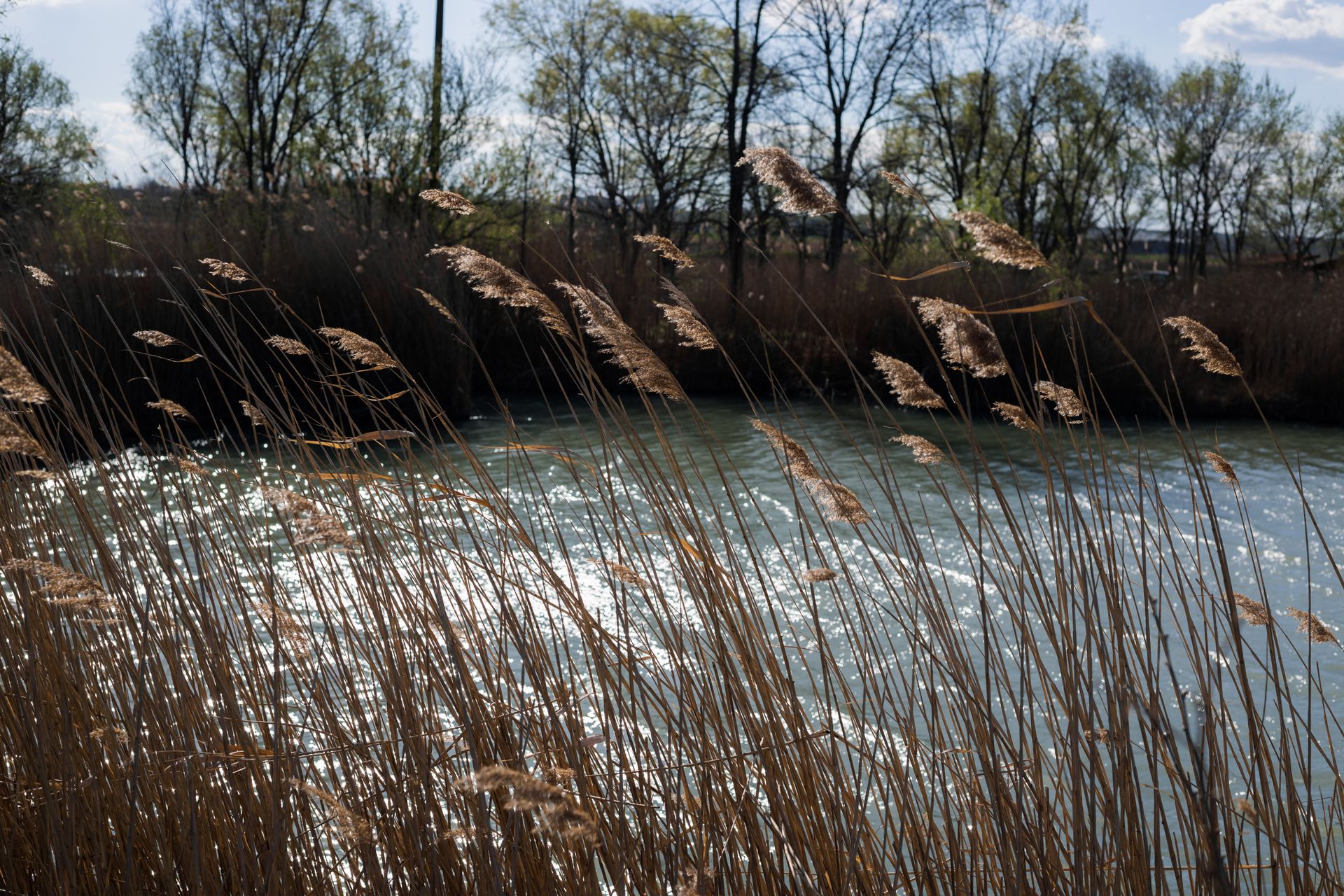
In the years after the First World War, a curious business venture took root in Britain: the farming of muskrats, a semi-aquatic rodent native to North America, prized for its dense, waterproof fur. As a feature from JSTOR Daily recounts, the enterprise promised profit from a fashionable material, but it ended instead as a cautionary tale about introducing a foreign animal into a landscape unprepared for it.
The muskrat is well suited to wetlands, an excellent swimmer that burrows into banks and breeds prolifically. Those same qualities that made its fur commercially attractive also made it a difficult animal to contain. Entrepreneurs in the 1920s nonetheless imported muskrats and established fur farms, betting that the animals could be raised in enclosures and harvested for a growing market in warm, hard-wearing pelts.
The flaw in the plan soon became apparent. Muskrats are strong and determined, and some inevitably escaped from their enclosures into the surrounding countryside. Once free in Britain's rivers, ditches and marshes, they found favourable conditions and few natural checks, and they began to breed and spread through the waterways much as they would in their native range.
The consequences were not merely a matter of loose animals. Muskrats burrow extensively into riverbanks and the earthen banks of drainage systems, and in a country that relied on carefully managed watercourses and embankments to protect low-lying farmland, that behaviour posed a real threat. Their tunnelling could weaken banks and undermine the flood defences and drainage on which agriculture depended.
Faced with this spreading problem, authorities recognised that a naturalised muskrat population could become permanently established, as it had elsewhere in Europe, where escaped or introduced muskrats had already colonised large areas. Britain, still an island with a relatively contained problem, had a narrow opportunity to act before the animals became too numerous to remove.
What followed was a determined eradication campaign. Trappers were employed to hunt the animals systematically across the affected regions, working to eliminate the muskrats faster than they could reproduce and disperse. The effort was organised, sustained and, unusually for such campaigns, ultimately successful in its aim of clearing the animal from the British countryside.
That success is part of what makes the episode notable. Eradicating an established invasive species is extremely difficult, and many attempts elsewhere have failed once a population passed a certain size. Britain's campaign is often cited as a rare instance in which timely, thorough action removed an invasive mammal before it became entrenched, aided by the island's geography and the relatively early stage at which the threat was tackled.
The muskrat affair illustrates a lesson that recurs throughout environmental history: introducing a species into a new environment can produce consequences far beyond what its promoters intended. Animals brought in for fur, food, sport or pest control have repeatedly escaped human plans, sometimes causing ecological and economic damage that dwarfs any benefit the original scheme delivered.
Stories like this one also shed light on how societies weigh commercial ambition against environmental risk. The muskrat farms were a rational business idea in the context of their time, when demand for fur was high and the ecological hazards of importing exotic animals were poorly understood. The costly clean-up that followed shifted attitudes and helped inform later caution about such introductions.
For readers today, the rise and fall of Britain's muskrat empire endures as a compact, revealing case study. It captures the arc from optimistic venture to unintended crisis to hard-won resolution, and it remains relevant as countries continue to grapple with invasive species — a reminder that the animals humans move around the world do not always stay where they are put.
Read next

How the Anglo-Saxons took hold in Britain, and what Rome had to do with it
How did the Anglo-Saxons come to dominate England after Roman rule ended? This explainer examines the historians' debate over migration, assimilation and the power vacuum left by Rome's withdrawal, and why the collapse of Roman Britain helped shape what followed.
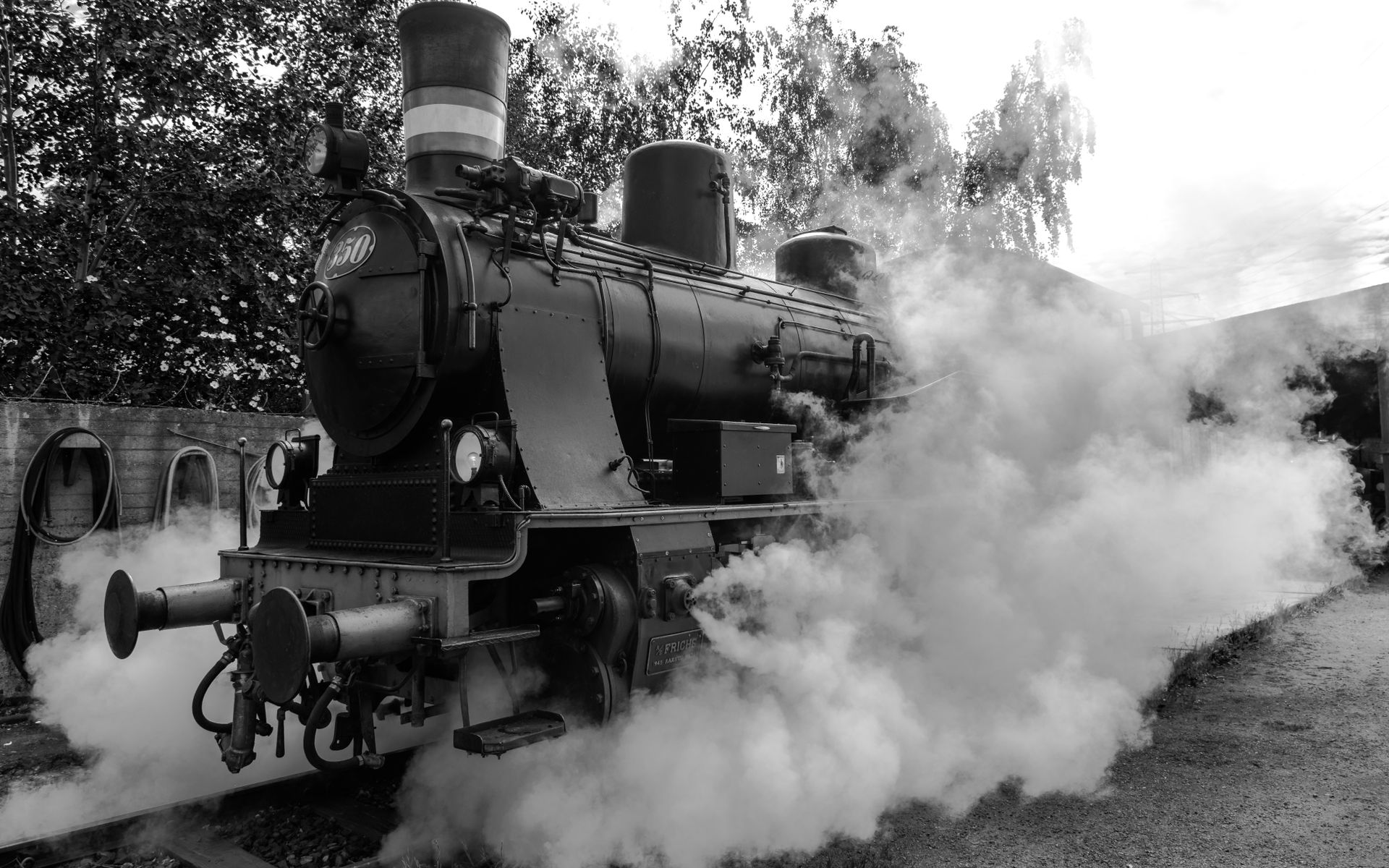
On this day, 3 July 1938: Mallard sets the steam speed record still unbeaten
On 3 July 1938, the British locomotive Mallard reached 126 miles per hour on a stretch of line in England, setting a world speed record for steam traction that has never been broken. The run marked the high point of a fierce era of railway speed competition.
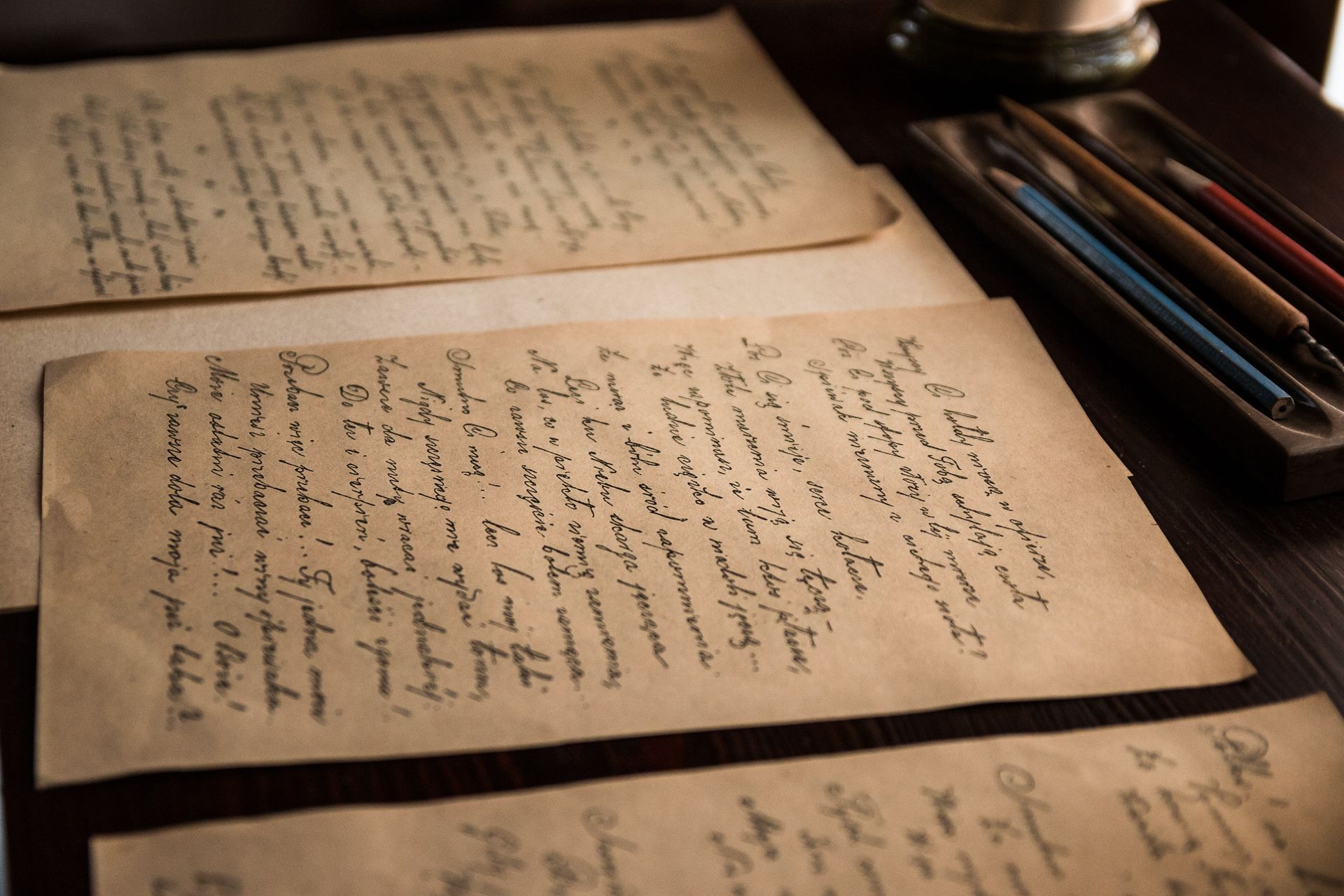
A history of the English alphabet: how 26 letters took shape
The 26 letters of the English alphabet carry a history stretching back thousands of years, from ancient Near Eastern scripts to Roman letterforms and lost medieval characters. Here is how the alphabet English speakers use every day came to look the way it does.
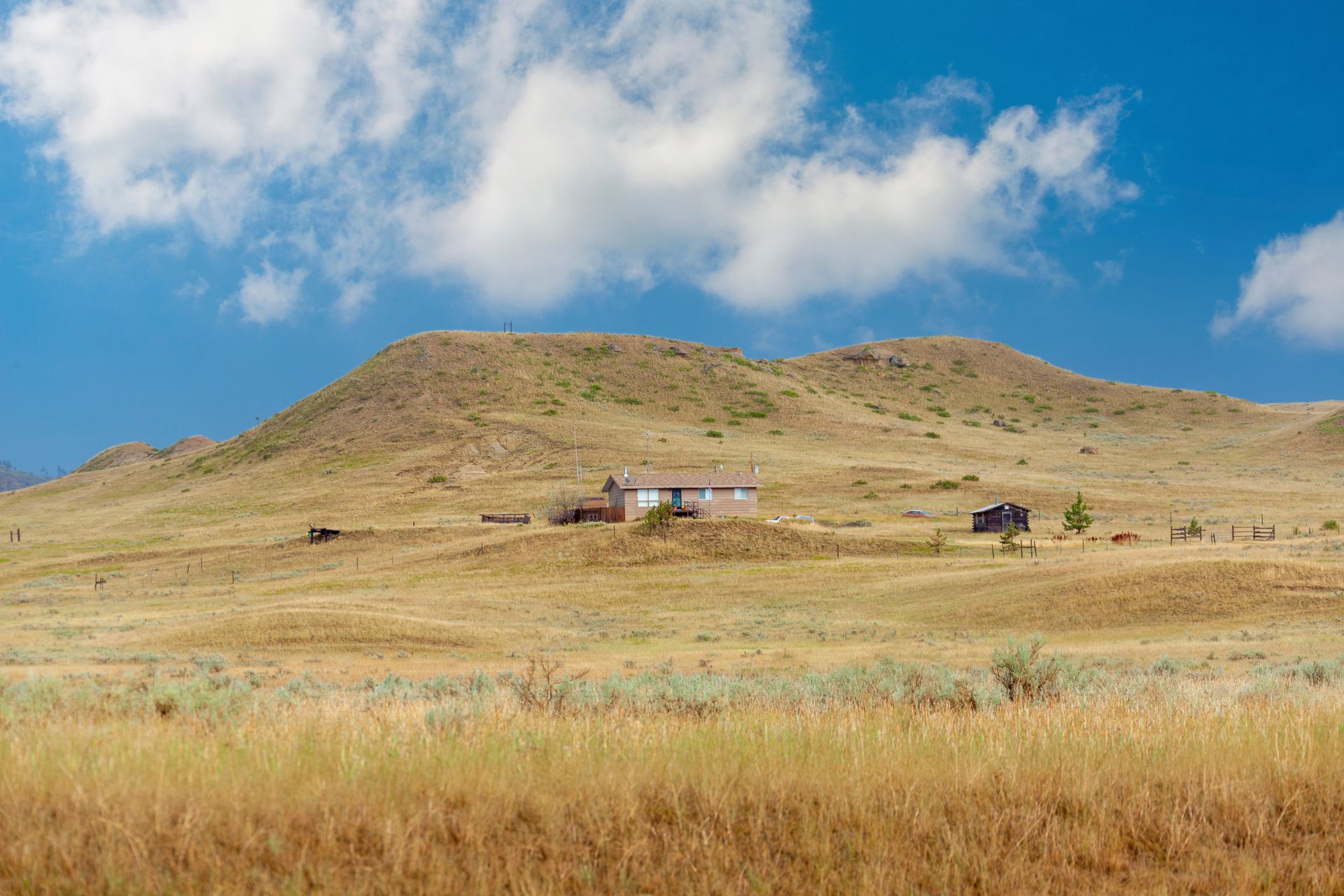
The Battle of Little Bighorn: why Custer's Last Stand still mystifies historians
A century and a half after the Battle of Little Bighorn, the 1876 clash in which Lieutenant Colonel George Custer and his men were defeated by a coalition of Native nations, historians still debate exactly what happened. Here is what the record shows and why questions remain.

On this day, 2 July 1937: Amelia Earhart vanishes over the Pacific
On 2 July 1937, the pioneering American aviator Amelia Earhart disappeared over the central Pacific during an attempt to fly around the world. Her fate remains one of aviation's most enduring mysteries, and her legacy shaped the place of women in flight.