The Battle of Little Bighorn: why Custer's Last Stand still mystifies historians
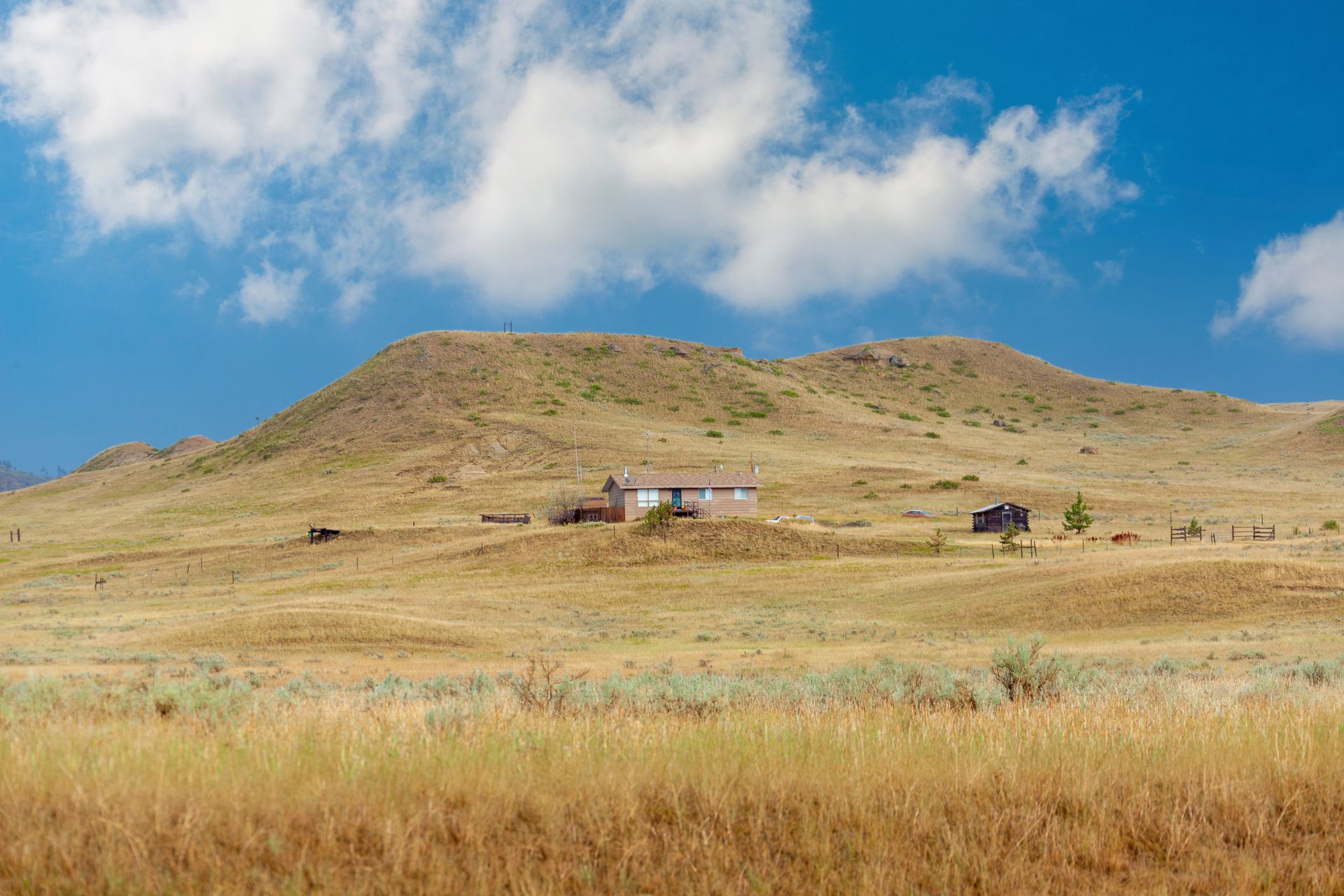
In late June 1876, on the rolling grasslands of what is now Montana, a detachment of the United States Army led by Lieutenant Colonel George Armstrong Custer was overwhelmed and destroyed by a coalition of Lakota, Northern Cheyenne and Arapaho warriors. The Battle of Little Bighorn, often called Custer's Last Stand, remains one of the most studied and most debated engagements in American history, and as Smithsonian magazine notes, a century and a half later it continues to mystify.
The battle took place during a wider conflict over the northern Great Plains. The United States government sought to force Native nations onto reservations and to open the Black Hills, land sacred to the Lakota, after gold was discovered there. Many Lakota and Cheyenne, led by figures including Sitting Bull and Crazy Horse, resisted, gathering in a large encampment along the Little Bighorn River.
Custer commanded the 7th Cavalry, part of a larger army column sent to compel the assembled bands to return to the reservations. On 25 June, believing he had been detected and fearing the village would scatter, he chose to attack rather than wait for supporting forces, dividing his regiment into separate battalions to strike the encampment from more than one direction.
That decision proved catastrophic. The camp was far larger than the army had anticipated, and the warriors defending it were determined and well-led. The battalion under Custer's direct command, numbering in the low hundreds, was cut off and killed to the last man, while other elements of the regiment suffered heavy losses on nearby ground before being besieged.
Much of what makes the battle mystifying stems from that annihilation. Because no soldier from Custer's immediate command survived, there is no direct account from his side of the final phase of the fighting. Historians have had to reconstruct events from the testimony of the Native warriors who were there, from the accounts of surviving soldiers in other parts of the field, and from physical evidence on the battlefield itself.
The Native perspective is central to understanding what happened, and it has often been undervalued in earlier tellings. Lakota and Cheyenne participants described a swift and overwhelming response to the attack on their families, and their oral histories provide crucial detail about the movements and collapse of Custer's command that written army records cannot supply.
Modern archaeology has added another layer. Studies of cartridge cases, bullets and other artefacts scattered across the site have allowed researchers to map the flow of the fighting, tracing where soldiers and warriors positioned themselves and how the battle moved across the terrain. This work has refined, and sometimes challenged, older narratives built on incomplete testimony.
Even so, key questions remain unresolved. The exact sequence of Custer's final movements, the decisions he made in his last hour, and the precise reasons his command was overwhelmed so completely are still debated, because the surviving evidence supports more than one interpretation. That ambiguity is a large part of the battle's enduring hold on the public imagination.
Historians also stress the importance of framing the event accurately. For the United States, the defeat was a shock that hardened resolve in the campaigns that followed; for the Lakota, Cheyenne and Arapaho, the victory was a moment of defiance in a longer struggle that ultimately saw their lands and independence sharply curtailed. Both dimensions are essential to understanding its significance.
A century and a half on, Little Bighorn endures as both a historical puzzle and a contested memory. The unanswered questions about its final minutes keep drawing researchers back, while the broader story it tells, of competing nations, contested land and a clash whose consequences reshaped the American West, ensures it remains far more than a military curiosity.
Read next
A history of the English alphabet: how 26 letters took shape
The 26 letters of the English alphabet carry a history stretching back thousands of years, from ancient Near Eastern scripts to Roman letterforms and lost medieval characters. Here is how the alphabet English speakers use every day came to look the way it does.

On this day, 2 July 1937: Amelia Earhart vanishes over the Pacific
On 2 July 1937, the pioneering American aviator Amelia Earhart disappeared over the central Pacific during an attempt to fly around the world. Her fate remains one of aviation's most enduring mysteries, and her legacy shaped the place of women in flight.

The Black surfmen of Pea Island: the crew behind a legendary sea rescue
The Pea Island Life-Saving Station on North Carolina's Outer Banks was crewed by an all-Black team of surfmen who carried out one of the most celebrated sea rescues of the era. Their story, highlighted by Atlas Obscura, is a landmark in the history of the US Life-Saving Service.

How Pompeii was rediscovered: the story of the buried Roman city
The Roman city of Pompeii was buried by the eruption of Mount Vesuvius in AD 79 and lay hidden for centuries before being rediscovered and excavated. Its recovery transformed how we understand daily life in the Roman world, according to accounts of the site's history.

On this day, 1 July 1916: the first day of the Battle of the Somme
On 1 July 1916, the Battle of the Somme began in northern France, opening one of the largest and costliest battles of the First World War. Its first day is remembered as among the most lethal in British military history, and the campaign has come to symbolise the scale of loss on the Western Front.