On this day, 1 July 1916: the first day of the Battle of the Somme

On 1 July 1916, near the river Somme in northern France, Allied forces launched an offensive that would become one of the largest and most costly battles of the First World War. Fought mainly by British and French armies against German defenders, the Battle of the Somme lasted until November 1916, and its opening day is widely recorded as among the deadliest in British military history.
The offensive had several aims, according to historians of the war. It was intended to break through entrenched German lines on the Western Front, to relieve pressure on French forces engaged in the prolonged battle at Verdun, and to press the strategic advantage of the Allied coalition. It was planned as a joint Anglo-French operation, though the British army came to bear the larger share of the effort as the campaign developed.
The attack was preceded by a sustained artillery bombardment lasting several days, intended to destroy German barbed wire and defensive positions before the infantry advanced. Commanders expected the bombardment to clear the way, but according to standard historical accounts much of the German wire and many deep dugouts survived, allowing defenders to return to their positions when the shelling lifted and the infantry began to move forward.
When the infantry advanced on the morning of 1 July, they encountered defences that were far more intact than had been hoped. British forces suffered enormous casualties on that single day, with tens of thousands killed, wounded or missing, figures that made it, by many accounts, the worst day in the history of the British Army. The scale of loss on the first day has become one of the enduring images of the war.
The battle did not end there. It continued for more than four months as a grinding campaign of attrition, in which both sides fed men and materiel into a relatively small area of ground. Gains were measured in limited advances rather than decisive breakthroughs, and the fighting came to exemplify the deadlock of trench warfare that characterised much of the Western Front.
The Somme is also associated with developments in military technology and tactics. It was one of the first battles in which tanks were used, a new and still unreliable weapon at the time, and it saw evolving approaches to coordinating artillery with infantry. Historians debate how significant these innovations were within the battle itself, but the campaign is often cited in accounts of how industrial-scale warfare developed during the conflict.
Assessments of the battle's outcome have long been contested among historians. Some emphasise the immense human cost relative to the ground gained, presenting the Somme as an example of the tragic futility of attrition warfare. Others argue that it inflicted serious losses on German forces and contributed to wider Allied pressure over the course of the war. These interpretations remain matters of ongoing historical discussion rather than settled conclusions.
Beyond the military analysis, the Somme occupies a prominent place in cultural memory, particularly in Britain and in the communities that raised the volunteer units engaged there. The losses touched towns and villages across the country, and the battle has featured heavily in literature, memorials and acts of remembrance in the decades since, becoming a shorthand for the human toll of the First World War.
The river Somme region itself is dotted with cemeteries and memorials commemorating the soldiers of many nations who fought and died there. These sites, maintained across generations, remain places of remembrance visited by descendants, historians and the public, and they serve as a physical reminder of the scale of the events that unfolded over those months in 1916.
More than a century later, the first day of the Somme is remembered as a defining moment of the First World War, marking both a specific date on the calendar and a broader reckoning with the character of the conflict. Its anniversary is observed as an occasion to reflect on the events of 1 July 1916 and on the many lives affected by the battle that began that day.
Read next

Fannie Bay Gaol: the frontier prison that held Australia's Northern Territory for nearly a century
For nearly a hundred years, Fannie Bay Gaol served as the principal prison of Australia's Northern Territory, holding everyone from cattle rustlers to condemned murderers behind walls built from local stone, timber and corrugated iron. Its gallows carried out the territory's last executions before the prison closed in 1979, leaving behind one of Australia's most complete surviving frontier penal sites.

The Hessians were meant to crush the American Revolution fast. They fought for years instead
Roughly 30,000 German soldiers, widely but inaccurately remembered as mercenaries, fought for the British crown during the American Revolutionary War. Recruited under treaties between Britain and various German principalities, they were meant to help end the rebellion quickly — instead they endured nearly a decade of grinding warfare far from home.

On this day in 1914: the Panama Canal opened, rewriting the map of global trade
On August 15, 1914, the cargo ship SS Ancon made the first official transit of the Panama Canal, completing a decade-long construction project that let ships cross between the Atlantic and Pacific without sailing around South America. The canal remains one of the most consequential engineering projects in modern history.
Who was Yuri Gagarin? The story of the first human in space
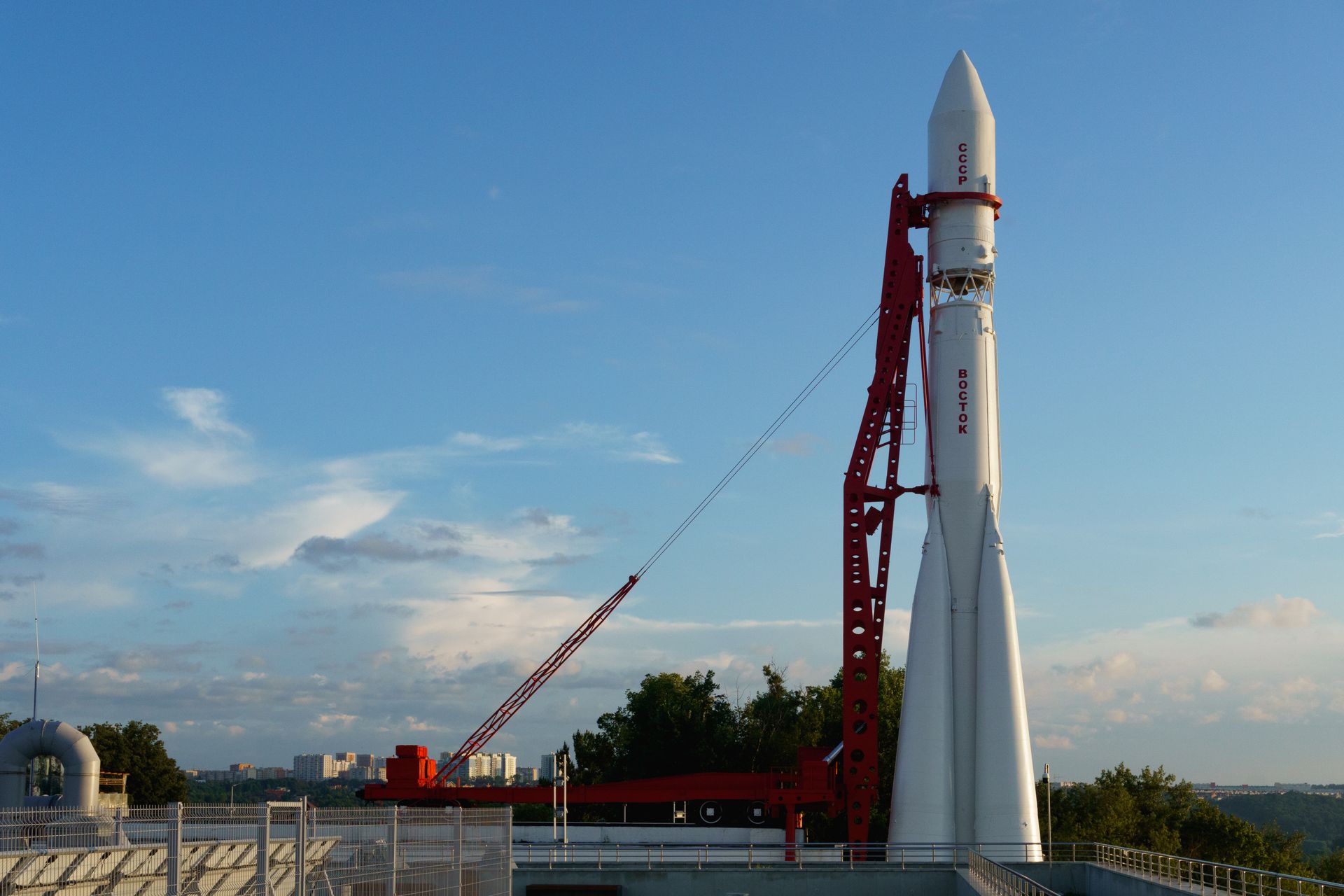
In 1961, Yuri Gagarin orbited the Earth once aboard the Vostok 1 capsule, becoming the first human being to venture into space. Born to a peasant family, his journey from rural Russia to global icon became one of the defining symbols of the Cold War era.
On this day: the US Social Security Act is signed into law (1935)
On 14 August 1935, President Franklin D. Roosevelt signed the Social Security Act into law amid the Great Depression, establishing a federal system of old-age, unemployment and disability insurance in the United States. The act became one of the most influential blueprints for the modern welfare state worldwide.