Fannie Bay Gaol: the frontier prison that held Australia's Northern Territory for nearly a century

On the outskirts of what is now Darwin, a cluster of low stone, timber and corrugated-iron buildings sits behind walls that once contained nearly a century of frontier justice in Australia's Northern Territory. Fannie Bay Gaol opened in 1883 as Her Majesty's Gaol and Labour Prison, and for the ninety-six years that followed, it served as the principal detention facility for one of the most remote and sparsely governed regions of the British Empire and, later, the Commonwealth of Australia.
The prison's population over its long history reflected the particular character of frontier colonial administration in northern Australia: cattle rustlers caught operating across the territory's vast, thinly policed pastoral stations, opium traffickers moving contraband through Darwin's port during a period when the drug trade along Australia's northern coastline drew heavily on connections with Southeast Asia, political prisoners caught up in the territory's often turbulent labor and land disputes, and, at the most severe end, men condemned to hang for murder and other capital offenses under the legal codes of the era.
The physical fabric of the gaol tells its own story of frontier improvisation. Constructed and expanded piecemeal over nearly a century, the complex combines stone, timber and corrugated iron in a manner that reflects both the limited resources available to a remote outpost and the practical demands of building a secure facility in a tropical climate that posed constant challenges to construction materials and methods more commonly used in temperate British colonial architecture. Darwin's intense heat, seasonal monsoon rains and remoteness from major supply lines shaped the prison's design as much as any penological theory of the period.
Among the complex's most notorious features are its gallows, where the Northern Territory's last executions were carried out before capital punishment was abolished in Australia. The gallows structure remains one of the most visited and discussed elements of the surviving site, drawing visitors interested in the darker chapters of Australian colonial and territorial history, and serving as a tangible reminder of an era when capital punishment operated as a routine, if solemn, function of frontier governance.
Fannie Bay Gaol's operational life spanned a period of dramatic transformation for the Northern Territory itself — from a remote colonial outpost governed with minimal oversight from distant authorities, through the upheavals of two world wars, including Japanese air raids on Darwin during the Second World War that devastated much of the surrounding town, to the gradual modernization and eventual self-governance of the territory in the latter half of the twentieth century. The prison itself endured and was repeatedly modified across all of these transitions, making it a rare physical thread connecting the territory's frontier origins to its modern administration.
The prison closed in 1979, its facilities by then long outdated relative to evolving standards for prisoner treatment and modern penal infrastructure, and its population was transferred to a newer facility better suited to contemporary correctional practice. Rather than being demolished, as happened to many aging penal facilities elsewhere in Australia during the same period, Fannie Bay Gaol was preserved, a decision that reflected growing recognition of the site's historical significance as one of the most intact surviving examples of frontier-era penal architecture in northern Australia.
Historians and heritage officials who have studied the site describe it as an unusually complete record of how colonial and territorial authorities approached punishment, labor and social control in one of the most isolated corners of the British Empire's Australian holdings. Unlike many contemporary penal sites that were substantially rebuilt or modernized during their operational lifespans, Fannie Bay Gaol's piecemeal construction history left visible layers of different building periods intact, offering researchers a physical record of changing penal philosophy and available resources across nearly a century of continuous use.
Today, the former gaol operates as a heritage site open to visitors, its cell blocks, exercise yards and the gallows structure preserved largely as they stood at the time of closure. For visitors, the site offers a direct and largely unmediated encounter with a period of Australian history that is often discussed in more abstract or sanitized terms elsewhere — the machinery of frontier justice made physically present in stone, timber and iron, rather than confined to archival records or museum displays removed from their original setting.
The preservation of Fannie Bay Gaol raises questions that heritage sites built around difficult histories inevitably confront: how to present a place associated with punishment, execution and colonial control in a way that neither sanitizes its darker functions nor reduces the complex human history of the people who passed through its walls, whether as prisoners, staff, or the condemned, to a simple morality tale. For the Northern Territory, the surviving gaol remains one of the clearest physical windows into nearly a century of frontier governance, preserved not because that history was comfortable, but because it happened, and because the walls that contained it are still standing.
Read next

The Hessians were meant to crush the American Revolution fast. They fought for years instead
Roughly 30,000 German soldiers, widely but inaccurately remembered as mercenaries, fought for the British crown during the American Revolutionary War. Recruited under treaties between Britain and various German principalities, they were meant to help end the rebellion quickly — instead they endured nearly a decade of grinding warfare far from home.

On this day in 1914: the Panama Canal opened, rewriting the map of global trade
On August 15, 1914, the cargo ship SS Ancon made the first official transit of the Panama Canal, completing a decade-long construction project that let ships cross between the Atlantic and Pacific without sailing around South America. The canal remains one of the most consequential engineering projects in modern history.
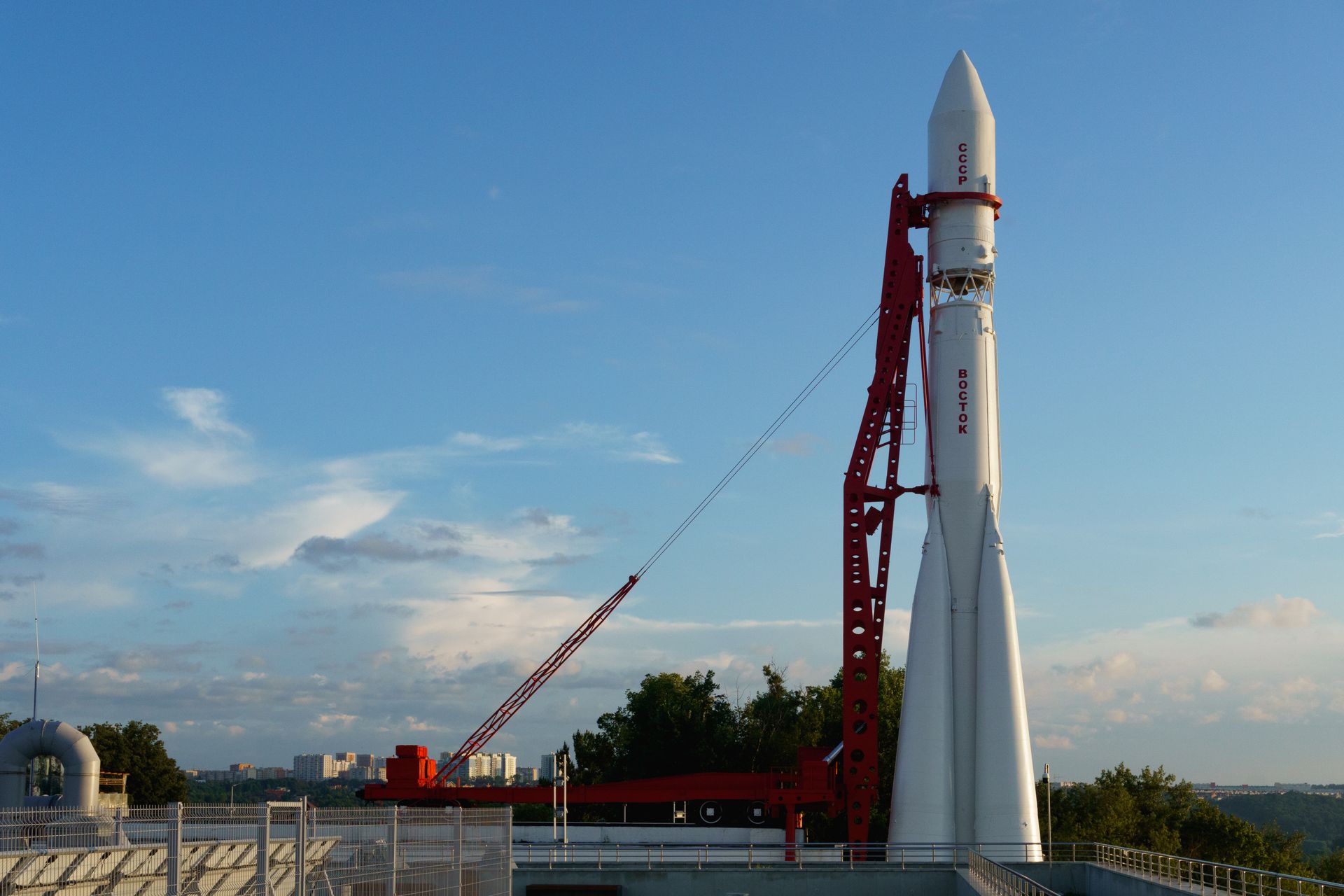
Who was Yuri Gagarin? The story of the first human in space
In 1961, Yuri Gagarin orbited the Earth once aboard the Vostok 1 capsule, becoming the first human being to venture into space. Born to a peasant family, his journey from rural Russia to global icon became one of the defining symbols of the Cold War era.
On this day: the US Social Security Act is signed into law (1935)
On 14 August 1935, President Franklin D. Roosevelt signed the Social Security Act into law amid the Great Depression, establishing a federal system of old-age, unemployment and disability insurance in the United States. The act became one of the most influential blueprints for the modern welfare state worldwide.
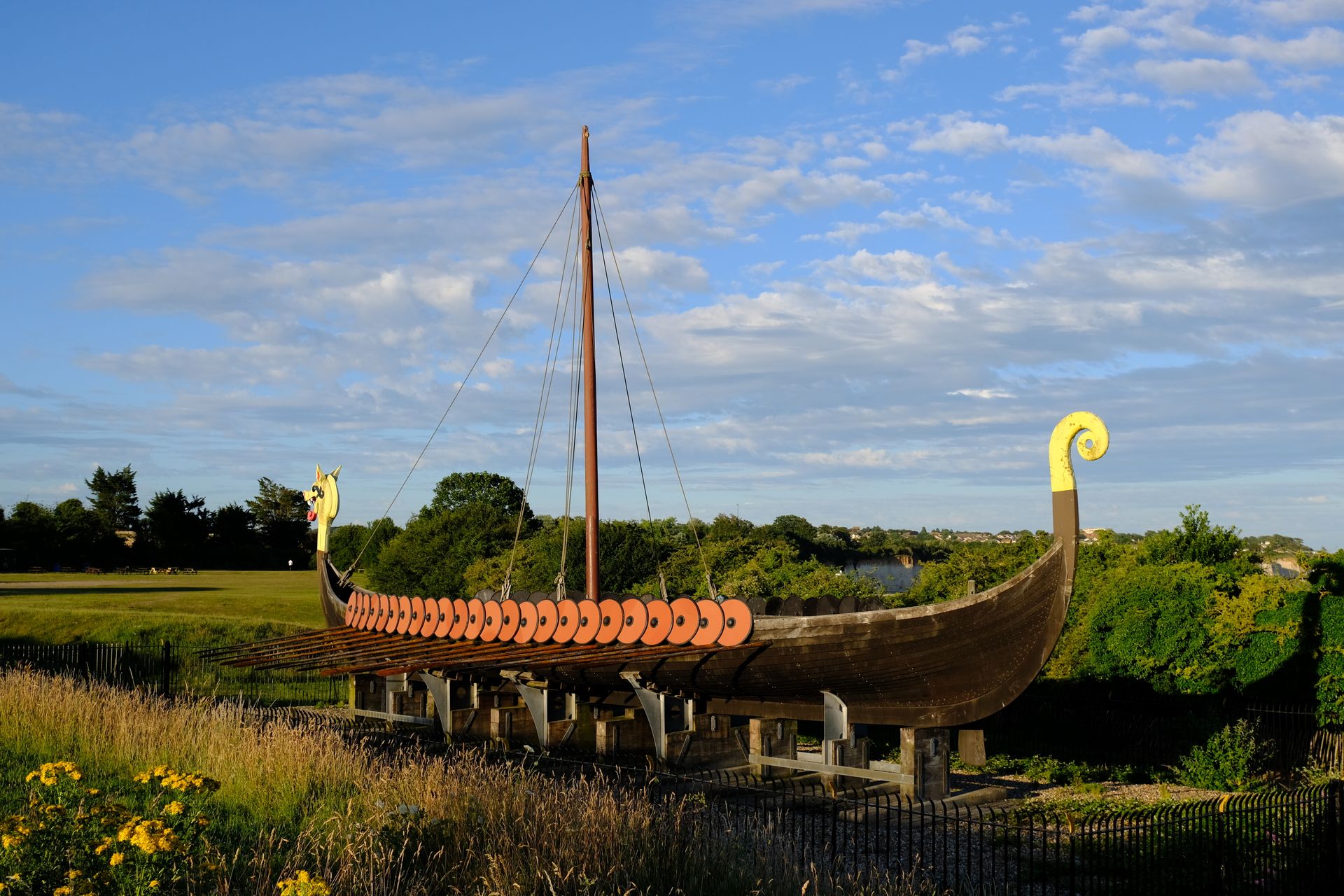
Olaf Tryggvason: the Viking king whose death is still a mystery
King Olaf Tryggvason of Norway vanished at the Battle of Svolder around AD 1000, in one of the most dramatic episodes of the Viking Age. Most medieval sources say he drowned in his armor rather than surrender, but some later accounts — and a handful of modern historians — have wondered whether he actually escaped.