Who was Yuri Gagarin? The story of the first human in space
Born on 9 March 1934 in a small village in the Smolensk region of the Soviet Union, Yuri Alekseyevich Gagarin spent his early years as the son of a peasant family. His childhood coincided with some of the most devastating years of the Second World War on Soviet soil, and his family endured hardship under Nazi occupation. No one at the time could have predicted that this village-born child would one day become the central figure in one of humanity's most iconic moments.
Gagarin's interest in flight took hold at a young age. While training as a foundryman at a technical school, he also joined a flying club, where he gained his first experience as a pilot. That early passion led him into formal pilot training with the Soviet Air Force, where he quickly stood out as a skilled fighter pilot.
In 1960, the Soviet space programme was searching for candidate pilots for the country's first crewed spaceflight. Gagarin made it into a small group selected from hundreds of candidates — the group later known as the "Soviet Six." The selection process was gruelling, testing physical endurance, psychological stability, and technical competence; candidates had to demonstrate they could remain motionless inside a small capsule for hours and stay calm under extreme stress.
Gagarin's ultimate selection is known to have depended on more than technical skill alone. Programme officials wanted the first cosmonaut presented to the public to be charismatic, composed, and someone the public could easily relate to — and Gagarin fit those criteria precisely.
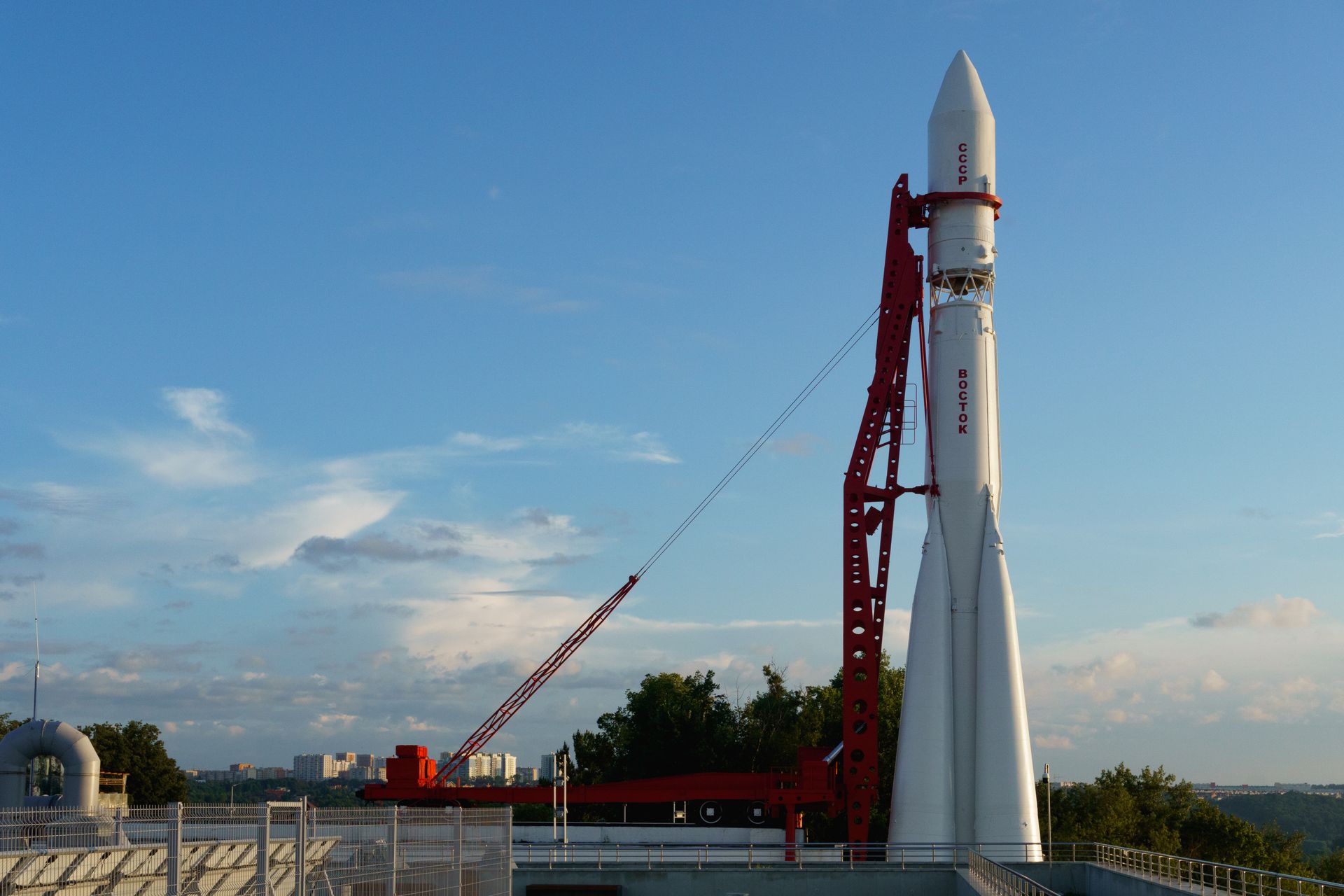
On 12 April 1961, Gagarin launched aboard the Vostok 1 capsule from the Baikonur Cosmodrome. The flight lasted roughly 108 minutes, during which Gagarin completed a single full orbit of the Earth. When the capsule re-entered the atmosphere, Gagarin ejected by parachute as planned and landed on Soviet territory.
The flight created an instant global sensation. In the context of the Cold War's space race, becoming the first country to send a human into space was an enormous propaganda victory for the Soviet Union. Gagarin became a globally recognised figure overnight; the Soviet Union presented him as a hero and sent him on world tours.
Gagarin's personal story was also shaped by the weight of that global fame. After his flight, he was largely prevented from returning to active cosmonaut duty — Soviet officials were unwilling to risk the country's most valuable symbolic figure. Instead, he took on administrative roles within the cosmonaut training programme and continued representing his country in public relations duties.
Tragically, Gagarin died on 27 March 1968 in a plane crash during a training flight, at just 34 years old. The exact cause of the crash remains disputed, and historians continue to debate competing theories to this day.
Gagarin's legacy endures as one of the most lasting symbols of the dawn of the space age. The anniversary of his flight, 12 April, is now marked as the International Day of Human Space Flight — a testament to the lasting mark left on human history by the son of a peasant family.
Read next
On this day: the US Social Security Act is signed into law (1935)
On 14 August 1935, President Franklin D. Roosevelt signed the Social Security Act into law amid the Great Depression, establishing a federal system of old-age, unemployment and disability insurance in the United States. The act became one of the most influential blueprints for the modern welfare state worldwide.
Olaf Tryggvason: the Viking king whose death is still a mystery
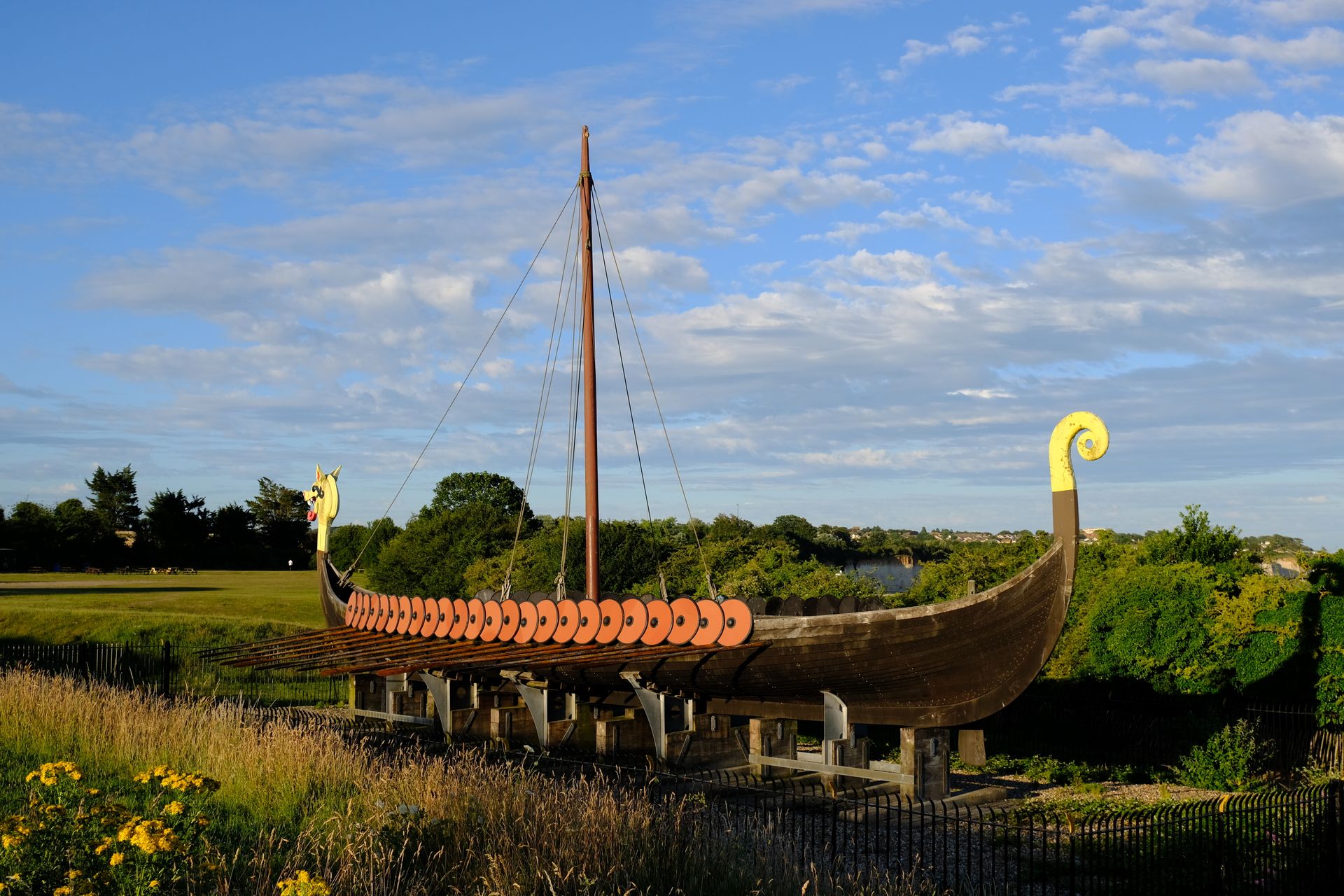
King Olaf Tryggvason of Norway vanished at the Battle of Svolder around AD 1000, in one of the most dramatic episodes of the Viking Age. Most medieval sources say he drowned in his armor rather than surrender, but some later accounts — and a handful of modern historians — have wondered whether he actually escaped.
The 1863 Bear River attack, and the Shoshone effort to restore its site
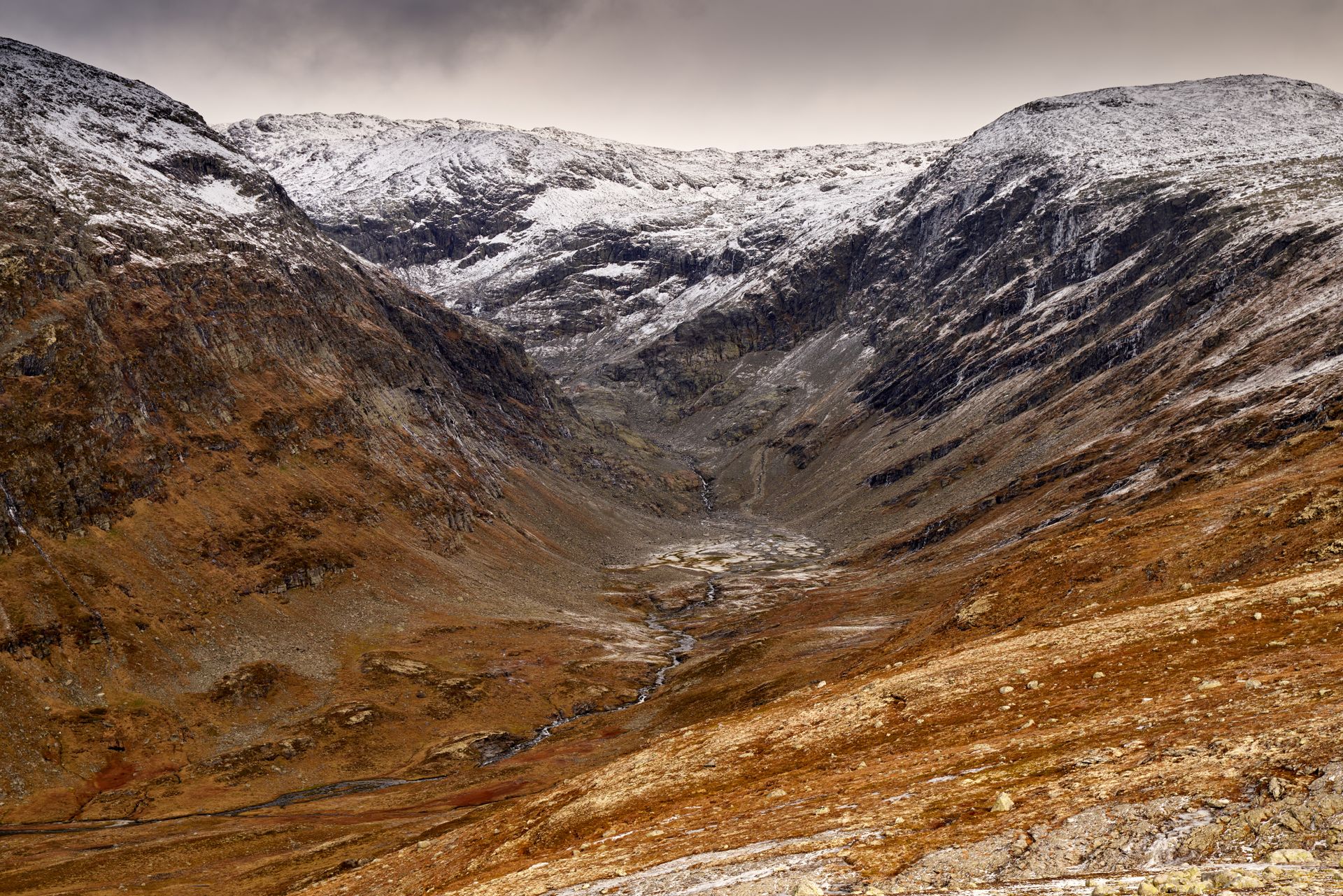
In January 1863, US Army soldiers killed several hundred Shoshone people at a winter encampment along the Bear River, in what historians regard as one of the deadliest attacks on Native Americans in US history. More than 160 years later, the Northwestern Band of the Shoshone Nation is restoring the site's natural landscape as part of an ongoing effort to reclaim and interpret its history.
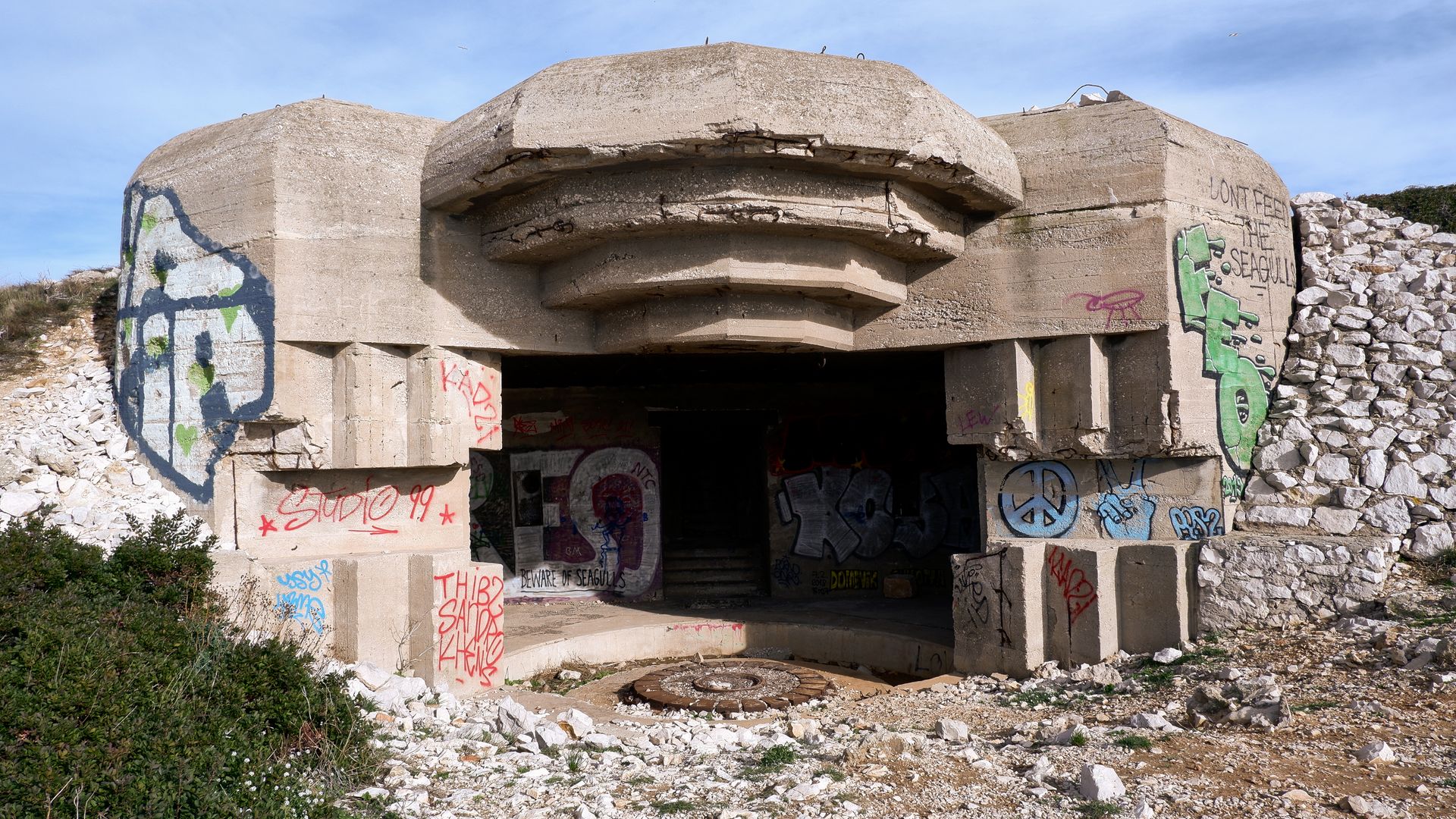
On this day in 1961: East Germany began building the Berlin Wall
In the early hours of 13 August 1961, East German authorities sealed the border between East and West Berlin, stringing barbed wire that would soon become a concrete wall. The Berlin Wall stood for 28 years as the most visible symbol of the Cold War division of Europe.

8 of history's greatest unsolved mysteries, from Jack the Ripper to the Princes in the Tower
Despite decades of forensic techniques and new archival finds, these eight cases remain among history's genuinely unsolved puzzles. From the identity of Jack the Ripper to the fate of the Princes in the Tower, none has ever been definitively settled.