The 1863 Bear River attack, and the Shoshone effort to restore its site
In the predawn cold of 29 January 1863, roughly 200 US Army volunteer cavalrymen under Colonel Patrick Connor attacked a winter encampment of Northwestern Shoshone along the Bear River, near present-day Preston, Idaho. By the time the fighting ended, historians estimate that somewhere between 250 and 500 Shoshone men, women and children had been killed, making the attack, by most scholarly accounts, the single deadliest one-day assault on a Native American community in United States history.
The encampment, known to the Shoshone as Boa Ogoi, had served for generations as a winter gathering site, chosen for its natural hot springs and sheltered position along the river. In the years leading up to 1863, tensions between Shoshone bands and the growing number of settlers, miners and US Army personnel moving through the region had escalated, fueled by disputes over land, resources and a series of violent incidents on both sides that the Army cited as justification for the expedition.
Accounts of the attack, drawn from soldiers' own reports as well as Shoshone oral history passed down through generations, describe fighting that began as an organized military engagement and deteriorated into what many historians characterize as a massacre, with soldiers killing noncombatants, including women, children and the elderly, well after organized Shoshone resistance had ended. Connor's own official report to his superiors described the encampment as effectively destroyed.
Despite the scale of casualties, the Bear River attack received comparatively little attention in American historical memory for more than a century, overshadowed in the national narrative by Civil War battles occurring simultaneously and by later, more widely documented conflicts between the US Army and Native American nations in the decades that followed, including events like the 1890 Wounded Knee massacre, which for a long period received substantially more scholarly and public attention despite a smaller death toll.
Historians attribute this historical imbalance partly to timing — the attack occurred during the Civil War, when national attention was overwhelmingly focused on the conflict between Union and Confederate forces — and partly to the comparative absence, for many decades, of Shoshone voices in how the event was documented, taught and memorialized, with early accounts relying almost exclusively on military records that framed the encounter in terms favorable to the Army.
In recent decades, the Northwestern Band of the Shoshone Nation has worked to change how the site and its history are presented, acquiring land at the location and working with historians, ecologists and its own tribal members to develop a more complete public account of what occurred, incorporating oral histories maintained within Shoshone families for generations alongside the documentary record.
The restoration effort now underway at the site extends beyond historical interpretation into ecological work, with the tribe undertaking projects to return the land closer to its condition before 1863 — removing invasive vegetation, restoring native plant species and rehabilitating the river corridor — framed by tribal leaders as a way of honoring ancestors by returning the land itself, not only its historical narrative, to a state of health.
A tribal leader involved in the restoration described the project's goal as bringing "nature back into balance" at the site, a framing that positions the ecological restoration work as inseparable from the historical and spiritual significance the location holds for the Shoshone people, rather than treating land rehabilitation and historical memory as separate undertakings.
The site was designated a National Historic Landmark decades ago, though the tribe and historians involved in the current restoration effort have noted that federal recognition alone did not translate into either adequate public understanding of the event's scale or tribal control over how the site itself was managed and interpreted, motivating the more recent, tribally led restoration work.
Scholars studying the event today generally describe it within the broader documented pattern of violence that characterized US government and military policy toward Native American nations during the westward expansion of the nineteenth century, while emphasizing that the Bear River attack's scale and, for much of American history, its relative historical obscurity make it a particularly significant case study in how national memory has selectively recorded and taught this period.
Read next
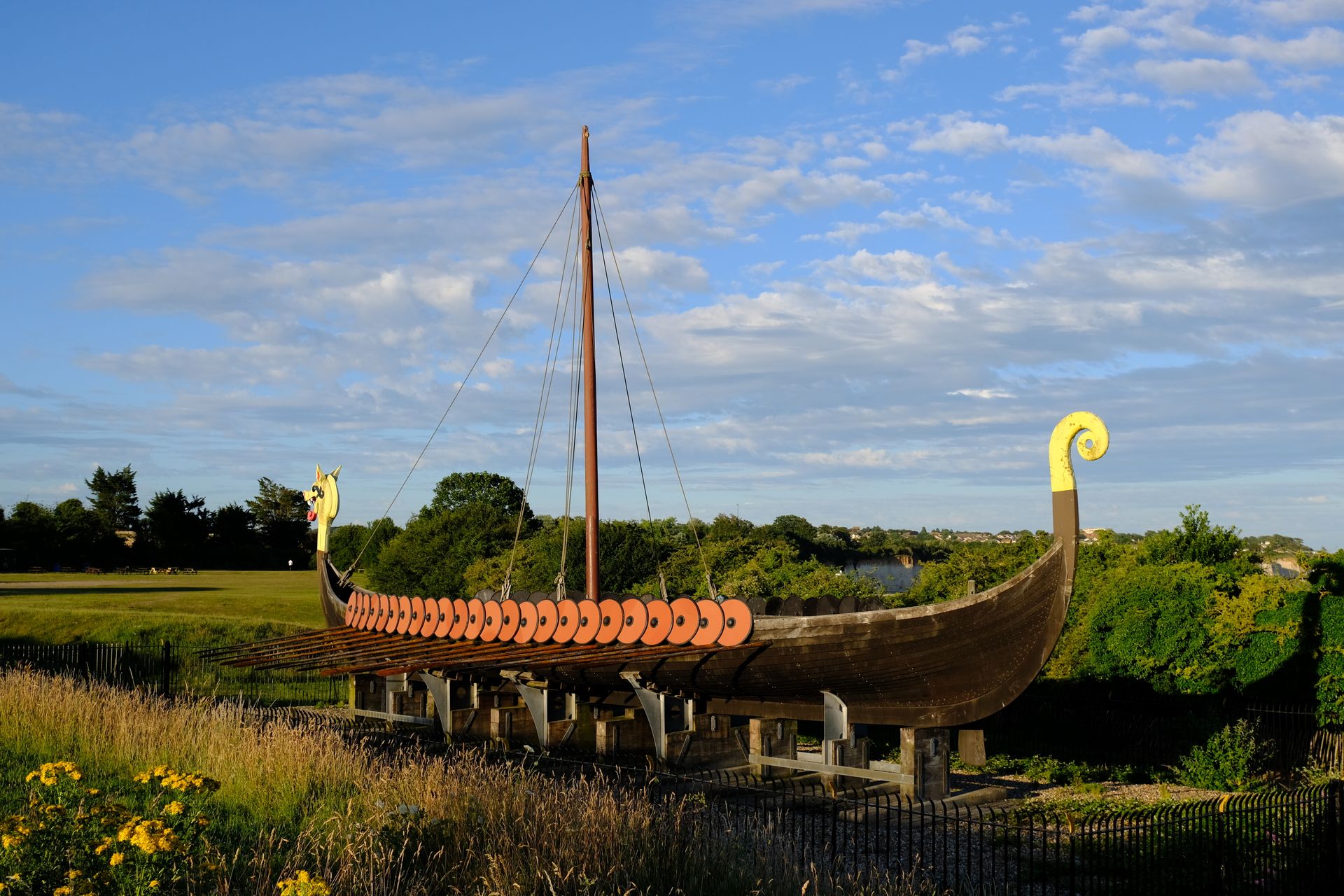
Olaf Tryggvason: the Viking king whose death is still a mystery
King Olaf Tryggvason of Norway vanished at the Battle of Svolder around AD 1000, in one of the most dramatic episodes of the Viking Age. Most medieval sources say he drowned in his armor rather than surrender, but some later accounts — and a handful of modern historians — have wondered whether he actually escaped.
On this day in 1961: East Germany began building the Berlin Wall
In the early hours of 13 August 1961, East German authorities sealed the border between East and West Berlin, stringing barbed wire that would soon become a concrete wall. The Berlin Wall stood for 28 years as the most visible symbol of the Cold War division of Europe.

8 of history's greatest unsolved mysteries, from Jack the Ripper to the Princes in the Tower
Despite decades of forensic techniques and new archival finds, these eight cases remain among history's genuinely unsolved puzzles. From the identity of Jack the Ripper to the fate of the Princes in the Tower, none has ever been definitively settled.

On this day: IBM launches the PC that defined personal computing (1981)
On August 12, 1981, IBM unveiled the IBM Personal Computer (IBM 5150) at a press conference in New York. Departing from its usual fully proprietary approach to move fast, the company built it from outside-sourced parts with an open architecture — a machine that quickly became the corporate standard for personal computing.

How did Christianity conquer the Roman Empire?
A small Jewish sect that emerged on the margins of the Roman world in the first century AD became the empire's official religion within three centuries. Historians examine why Christianity survived and spread when so many other cults and belief systems did not.