On this day: IBM launches the PC that defined personal computing (1981)
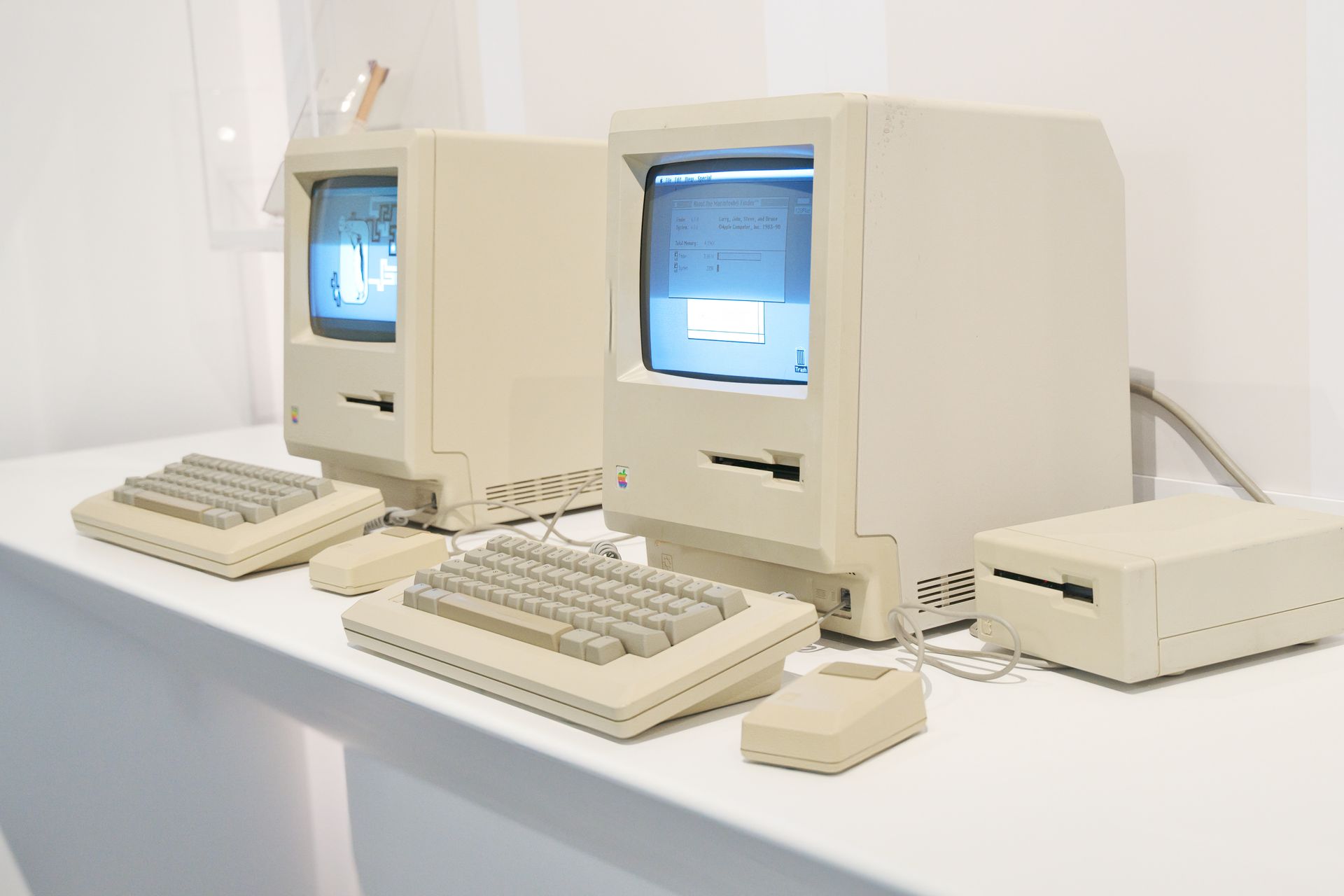
On August 12, 1981, IBM held a press conference in New York City to introduce a machine that would reshape the entire computing industry: the IBM Personal Computer, officially designated the IBM 5150. It was, on the surface, a modest product announcement from a company best known for room-sized mainframes and business machines. In retrospect, it marks the moment personal computing shifted from a hobbyist niche into a mainstream business and consumer technology.
By 1981, personal computers were not a new idea. Machines like the Apple II, the Commodore PET and the Tandy TRS-80 — often grouped together as the "1977 trinity" — had already built a market among hobbyists, educators and small businesses. But these machines were largely viewed by corporate America as toys or hobbyist curiosities rather than serious business tools, and IBM, the dominant force in enterprise computing at the time, had stayed on the sidelines of that market.
IBM's entry came from an unusually fast-moving internal effort known as Project Chess, run by a small team based in Boca Raton, Florida, and led by engineer Don Estridge. Tasked with getting a competitive product to market in about a year — a fraction of IBM's usual multi-year development cycles — the team made a decision that broke sharply from IBM's traditional, fully proprietary approach: they built the machine largely from off-the-shelf components sourced from outside suppliers, rather than custom parts designed entirely in-house.
Among the most consequential of those outside choices was the machine's processor, Intel's 8088, and its operating system, which IBM licensed from a small software company called Microsoft. That operating system, sold as PC DOS, was based on software Microsoft had itself acquired and adapted, and the licensing deal — notably non-exclusive — allowed Microsoft to also sell versions of the same operating system, MS-DOS, to other computer makers.
The team also published the IBM PC's technical specifications openly, an approach historians describe as a byproduct of the project's speed-driven, componentized design rather than a deliberate long-term strategy. That openness had an outsized consequence: it allowed other companies to build add-in cards and peripherals compatible with the machine, and within a couple of years, allowed firms like Compaq to legally reverse-engineer IBM's BIOS software and produce fully compatible "IBM PC clones."
That clone market, historians note, is what ultimately cemented the IBM PC's underlying architecture — the combination of Intel-compatible processors and DOS, later succeeded by Windows — as the dominant standard in personal computing, rather than any single company's proprietary design. IBM had inadvertently created an open platform that other manufacturers could compete on, a dynamic quite different from the tightly controlled hardware ecosystems that had defined earlier home computers.
At launch, the base configuration of the IBM PC sold for around $1,565, positioning it as a serious purchase aimed primarily at business customers rather than home hobbyists. IBM's reputation in the corporate world proved decisive: the company's existing credibility with business buyers, encapsulated in the era's saying that 'nobody ever got fired for buying IBM,' helped accelerate corporate adoption of personal computers at a pace the earlier hobbyist-oriented machines had never achieved.
Software played a role in that adoption too. Spreadsheet programs like VisiCalc, along with word processing and database software written for the platform, gave businesses concrete, practical reasons to bring the machine into offices, moving personal computers beyond a novelty and into daily business workflows within just a few years of the 1981 launch.
IBM itself would eventually step back from the market it helped legitimize, selling its personal computer division to the Chinese electronics company Lenovo in 2005. But the architecture the original 5150 established — x86-compatible processors running DOS and its descendant, Windows — continued to underpin the vast majority of personal computers for decades afterward, an inheritance historians trace directly back to the open, componentized design choices made under Project Chess's tight 1981 deadline.
More than four decades later, the IBM 5150 is preserved in computing history museums as a landmark object, and August 12, 1981 is remembered less as the day IBM built a better computer than its era's rivals, and more as the day personal computing acquired the open, standardized architecture that would let the industry scale far beyond what any single company, IBM included, could have built alone.
Read next
8 of history's greatest unsolved mysteries, from Jack the Ripper to the Princes in the Tower
Despite decades of forensic techniques and new archival finds, these eight cases remain among history's genuinely unsolved puzzles. From the identity of Jack the Ripper to the fate of the Princes in the Tower, none has ever been definitively settled.

How did Christianity conquer the Roman Empire?
A small Jewish sect that emerged on the margins of the Roman world in the first century AD became the empire's official religion within three centuries. Historians examine why Christianity survived and spread when so many other cults and belief systems did not.

On this day: remembering Robin Williams, August 11, 2014
On August 11, 2014, American actor and comedian Robin Williams — who made generations of audiences laugh and cry — died at the age of 63. Across a career spanning more than four decades on stage and screen, he left a mark that keeps him remembered as one of cinema's most beloved figures.

The many lives of libraries: how they shaped civilization across centuries
From ancient royal archives to today's digital repositories, libraries have shaped culture, politics, and public life for millennia. Their history reveals how access to knowledge has always been intertwined with power.

On This Day: The Treaty of Sèvres was signed on August 10, 1920
On August 10, 1920, the victorious Allied powers of World War I signed the Treaty of Sèvres with the Ottoman government, a settlement that proposed partitioning much of Anatolia. The treaty was never ratified and was later superseded.