On this day in 1961: East Germany began building the Berlin Wall
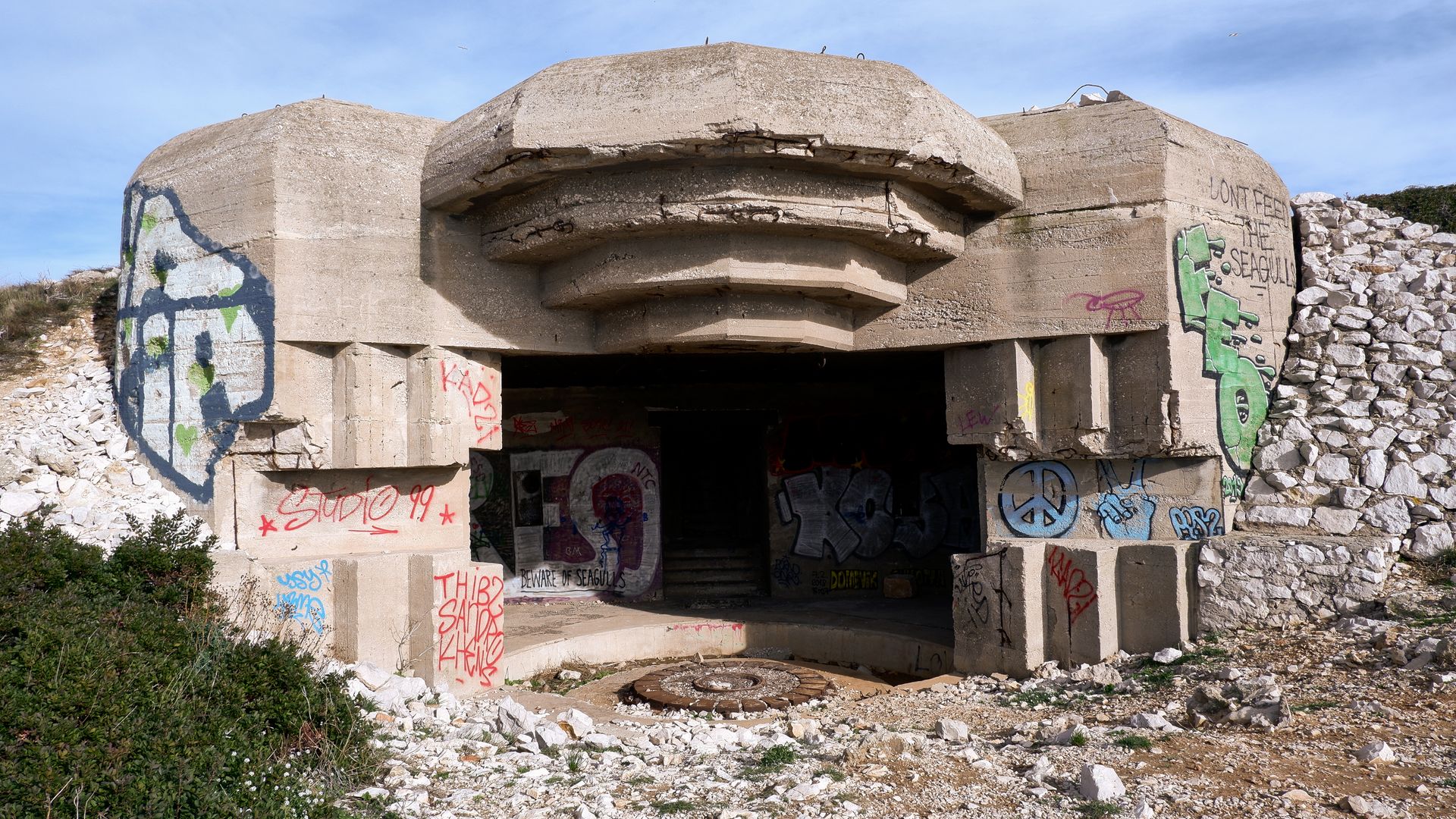
Shortly after midnight on 13 August 1961, East German troops and police began stringing barbed wire and tearing up streets along the boundary separating the Soviet-controlled eastern sector of Berlin from the American, British and French sectors in the west. By the time Berliners woke that Sunday morning, a city that had functioned as a single, if administratively divided, metropolis since the end of the Second World War found its two halves abruptly and violently severed from one another.
The immediate trigger for the closure was demographic rather than purely ideological. Since the partition of Germany in 1949, East Germany had lost a steady and accelerating stream of its population — an estimated 2.5 million people by 1961, disproportionately young, skilled and professionally trained — who crossed into West Berlin and onward to West Germany in search of political freedom and better economic prospects. Berlin itself was the last remaining gap in the otherwise sealed Inner German border, making it the primary escape route.
East German leader Walter Ulbricht, with the backing of Soviet premier Nikita Khrushchev, ordered the border closure to stop this exodus, which East German officials had come to view as an existential threat to the state's economic viability and political legitimacy. Ulbricht had publicly denied any intention to build a wall only weeks earlier, telling journalists that no one had the intention of erecting one — a statement that became notorious once construction began.
What started as barbed-wire barricades and hastily interrupted streets was rapidly reinforced. Within days, East German construction crews began replacing the temporary barriers with concrete blocks and, over the following years, the border evolved into an extensive, multilayered fortification system: a concrete wall on the western-facing side, a parallel inner wall, a floodlit no-man's-land nicknamed the "death strip" laced with anti-vehicle trenches, guard dogs, watchtowers and armed patrols with standing orders to shoot anyone attempting to cross.
The wall's construction split families, separated friends and colleagues overnight, and in some cases divided streets and even individual buildings straddling the sector boundary, with residents on the eastern side of a building's facade forbidden from using doors that opened onto the western street. Some early escape attempts involved residents leaping from upper-floor windows of border-adjacent apartments directly into West Berlin before those buildings were evacuated and bricked up by East German authorities.
Over the wall's 28-year existence, historians estimate that at least 140 people died attempting to cross it, through shootings, drownings in the border's waterways, or accidents during escape attempts, though the exact figure remains disputed and some researchers argue the true toll was higher, given the East German state's incentive to undercount such incidents. Thousands of others succeeded in crossing through tunnels, hidden compartments in vehicles, hot air balloons and other improvised methods that became the subject of extensive Cold War-era reporting in the West.
The Berlin Wall became the era's most potent physical symbol of the Iron Curtain dividing communist Eastern Europe from the democratic West, referenced by American presidents from John F. Kennedy, who visited in 1963, to Ronald Reagan, who delivered his famous 1987 challenge to Soviet leader Mikhail Gorbachev to tear down the wall at the Brandenburg Gate.
The wall's fall, when it came on 9 November 1989, was itself the product of a bureaucratic accident rather than a planned political transition: an East German spokesman, fielding questions at a press conference about newly loosened travel restrictions, mistakenly implied the changes would take effect immediately rather than the following day. Crowds gathered at checkpoints that evening, and overwhelmed border guards, lacking clear orders to use force, opened the gates.
German reunification followed less than a year later, in October 1990, and the wall was rapidly dismantled, with sections preserved as memorials and museum pieces in Berlin and around the world, while fragments were sold to collectors and institutions as pieces of history in the years that followed.
Today, a largely reunified Berlin retains a marked line through the city — a double row of cobblestones tracing the wall's former path — as a permanent, low-key reminder of a division that once seemed as though it might last indefinitely, and which for 28 years shaped the daily lives of millions of Berliners on both sides of a border that ran directly through their city.
Read next
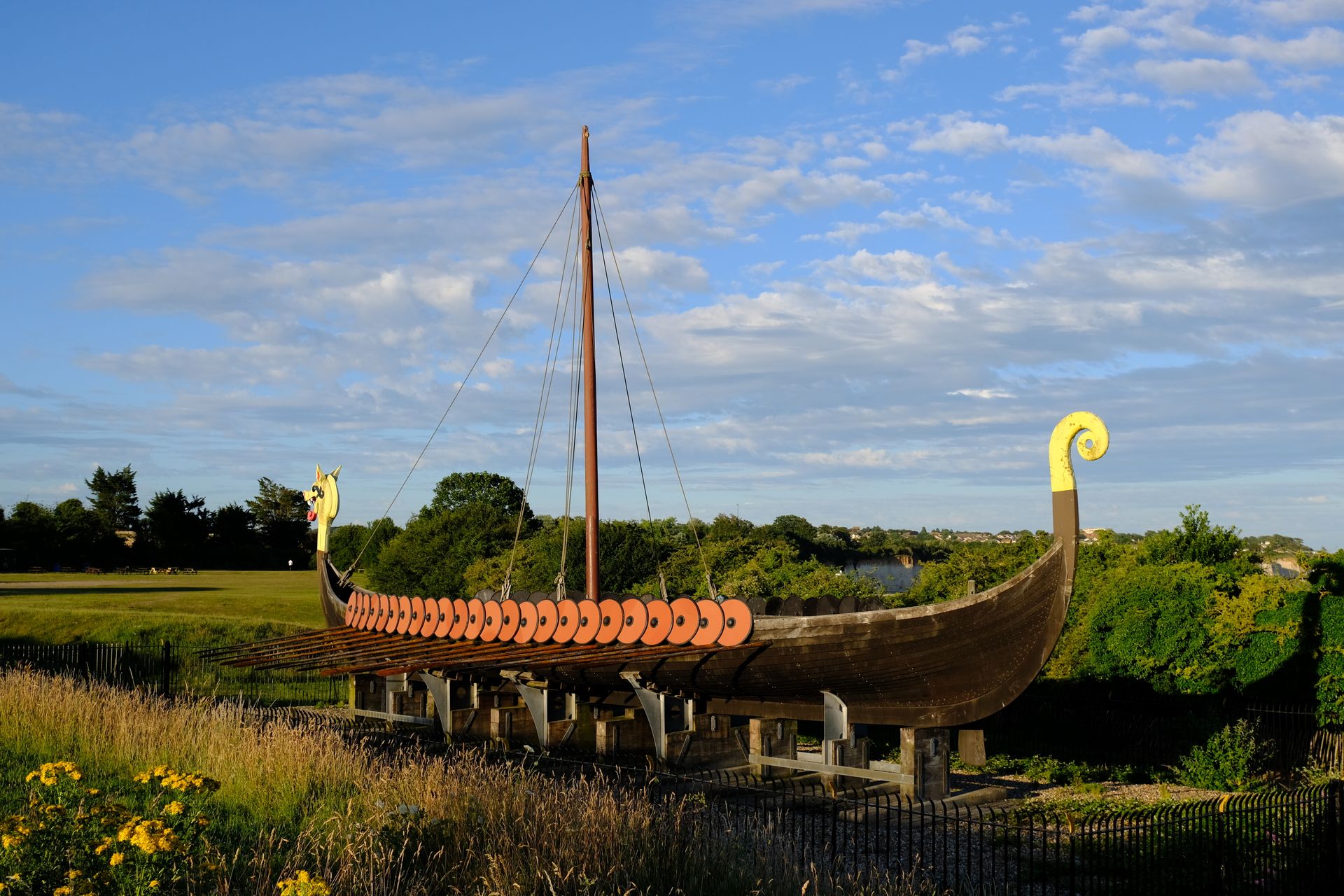
Olaf Tryggvason: the Viking king whose death is still a mystery
King Olaf Tryggvason of Norway vanished at the Battle of Svolder around AD 1000, in one of the most dramatic episodes of the Viking Age. Most medieval sources say he drowned in his armor rather than surrender, but some later accounts — and a handful of modern historians — have wondered whether he actually escaped.
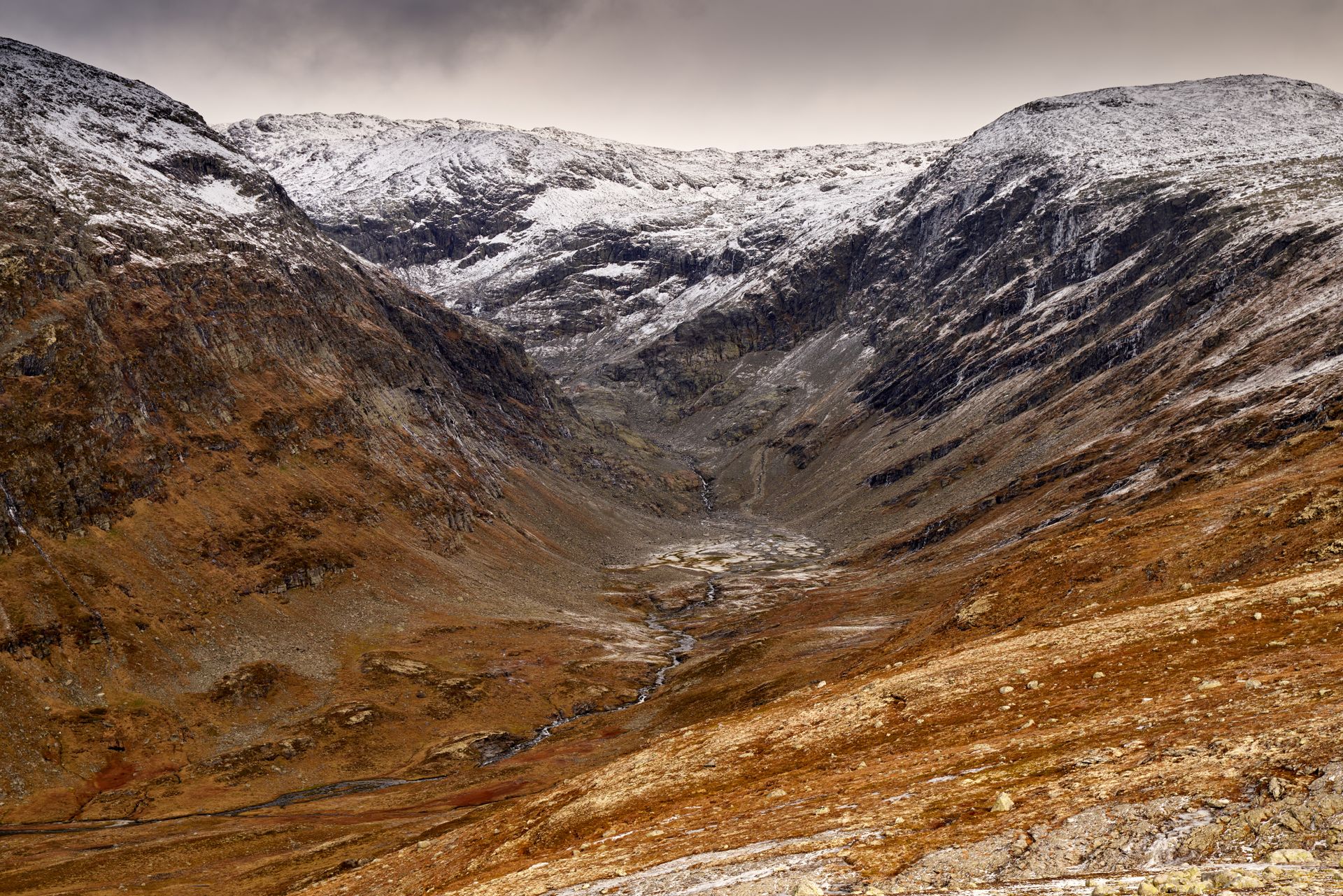
The 1863 Bear River attack, and the Shoshone effort to restore its site
In January 1863, US Army soldiers killed several hundred Shoshone people at a winter encampment along the Bear River, in what historians regard as one of the deadliest attacks on Native Americans in US history. More than 160 years later, the Northwestern Band of the Shoshone Nation is restoring the site's natural landscape as part of an ongoing effort to reclaim and interpret its history.

8 of history's greatest unsolved mysteries, from Jack the Ripper to the Princes in the Tower
Despite decades of forensic techniques and new archival finds, these eight cases remain among history's genuinely unsolved puzzles. From the identity of Jack the Ripper to the fate of the Princes in the Tower, none has ever been definitively settled.
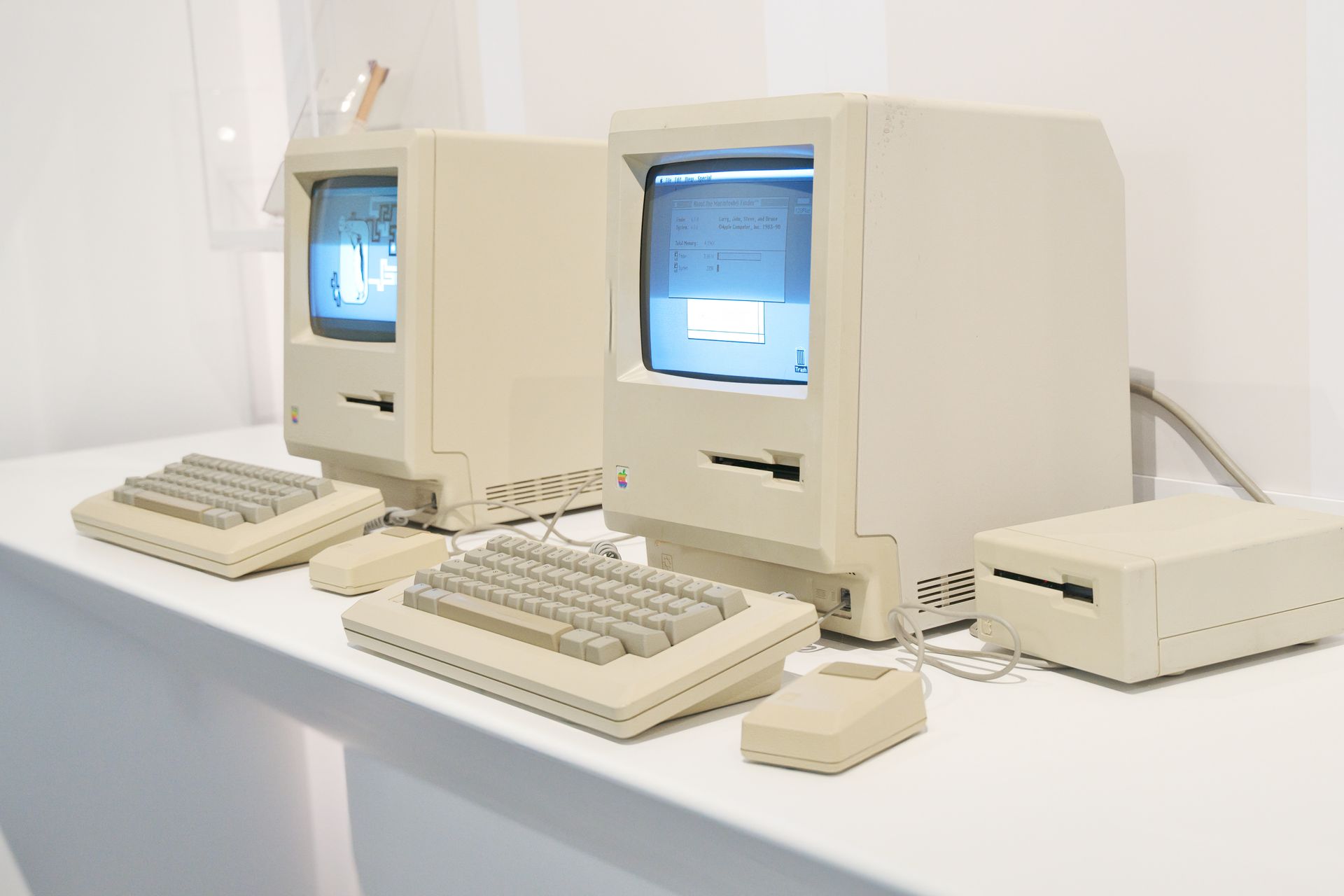
On this day: IBM launches the PC that defined personal computing (1981)
On August 12, 1981, IBM unveiled the IBM Personal Computer (IBM 5150) at a press conference in New York. Departing from its usual fully proprietary approach to move fast, the company built it from outside-sourced parts with an open architecture — a machine that quickly became the corporate standard for personal computing.

How did Christianity conquer the Roman Empire?
A small Jewish sect that emerged on the margins of the Roman world in the first century AD became the empire's official religion within three centuries. Historians examine why Christianity survived and spread when so many other cults and belief systems did not.