On this day: the US Social Security Act is signed into law (1935)
On 14 August 1935, President Franklin D. Roosevelt signed the Social Security Act into law at the White House. The signing came in the sixth year of the Great Depression, one of the deepest economic crises in American history, when a large share of the population was grappling with unemployment, poverty, and insecurity in old age.
The law's roots trace to the Committee on Economic Security, which the Roosevelt administration established in 1934. The committee was tasked with designing a comprehensive federal system to protect working people and the elderly from economic insecurity. The work was led by Secretary of Labor Frances Perkins, who also holds the distinction of being the first woman to serve in a US cabinet.
At the core of the law was an old-age insurance programme funded through contributions deducted from workers' and employers' wages. That structure meant the benefit was financed by workers' own contributions rather than general taxation, a design intended to make the programme more politically durable — a choice widely credited with helping the system retain broad support across the political spectrum in the decades since.
The act also created a federal-state partnership encouraging states to establish their own unemployment insurance programmes, along with separate support programmes for the blind, dependent children, and maternal and child health services. This multi-pronged structure meant the law amounted to far more than a pension programme — it built the framework of a broad social safety net.
Passage of the act wasn't straightforward. Congress debated both employer objections to wage deductions and concerns among some conservative lawmakers about how far the federal government should intervene in economic life. Even so, the law found wide public support at the time, since the devastation of the Great Depression had made clear that traditional family and local charity networks were no longer sufficient.
When the law took effect, pension payments didn't begin immediately. Because the system was built on accumulated contributions, the first regular monthly payments weren't made until 1940. That waiting period was deliberately designed to secure the programme's long-term financial sustainability.
The Social Security Act's influence reached far beyond US borders. It became a reference point for many countries designing their own welfare-state models in the mid-20th century, and its contribution-based insurance approach in particular helped shape similar systems established around the world.
Today, millions of elderly, disabled, and widowed or orphaned Americans rely directly on programmes that trace back to this 1935 law for their livelihoods. The system has been expanded and reformed over time, but its core structure — a federal insurance system funded by workers' contributions — remains largely intact.
Ultimately, 14 August 1935 stands in history as the moment the United States committed to building a collective safety net in the face of economic crisis. The signing marked an early and influential example in a century-long global debate about what role government should play in protecting individuals against economic risk.
Read next
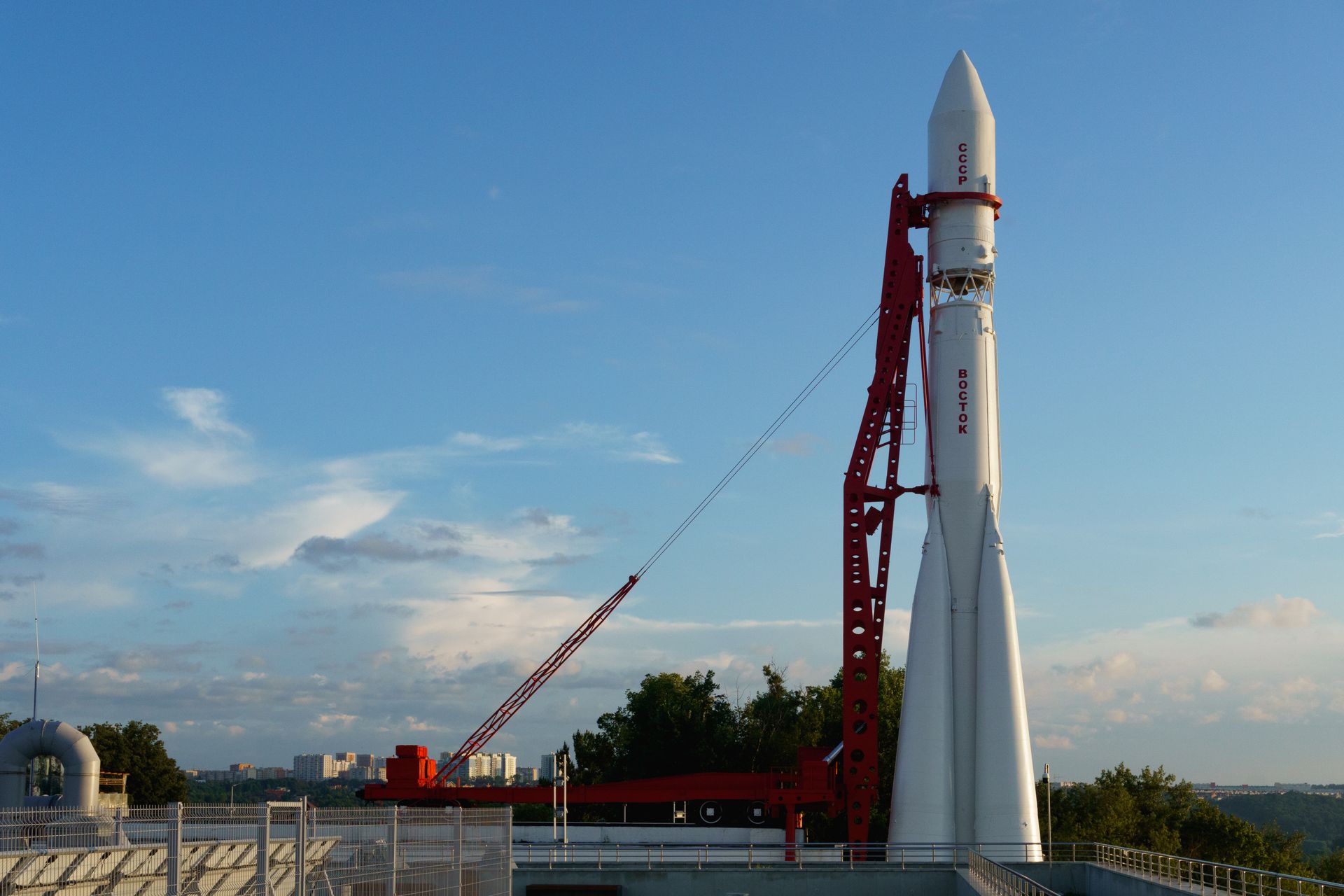
Who was Yuri Gagarin? The story of the first human in space
In 1961, Yuri Gagarin orbited the Earth once aboard the Vostok 1 capsule, becoming the first human being to venture into space. Born to a peasant family, his journey from rural Russia to global icon became one of the defining symbols of the Cold War era.
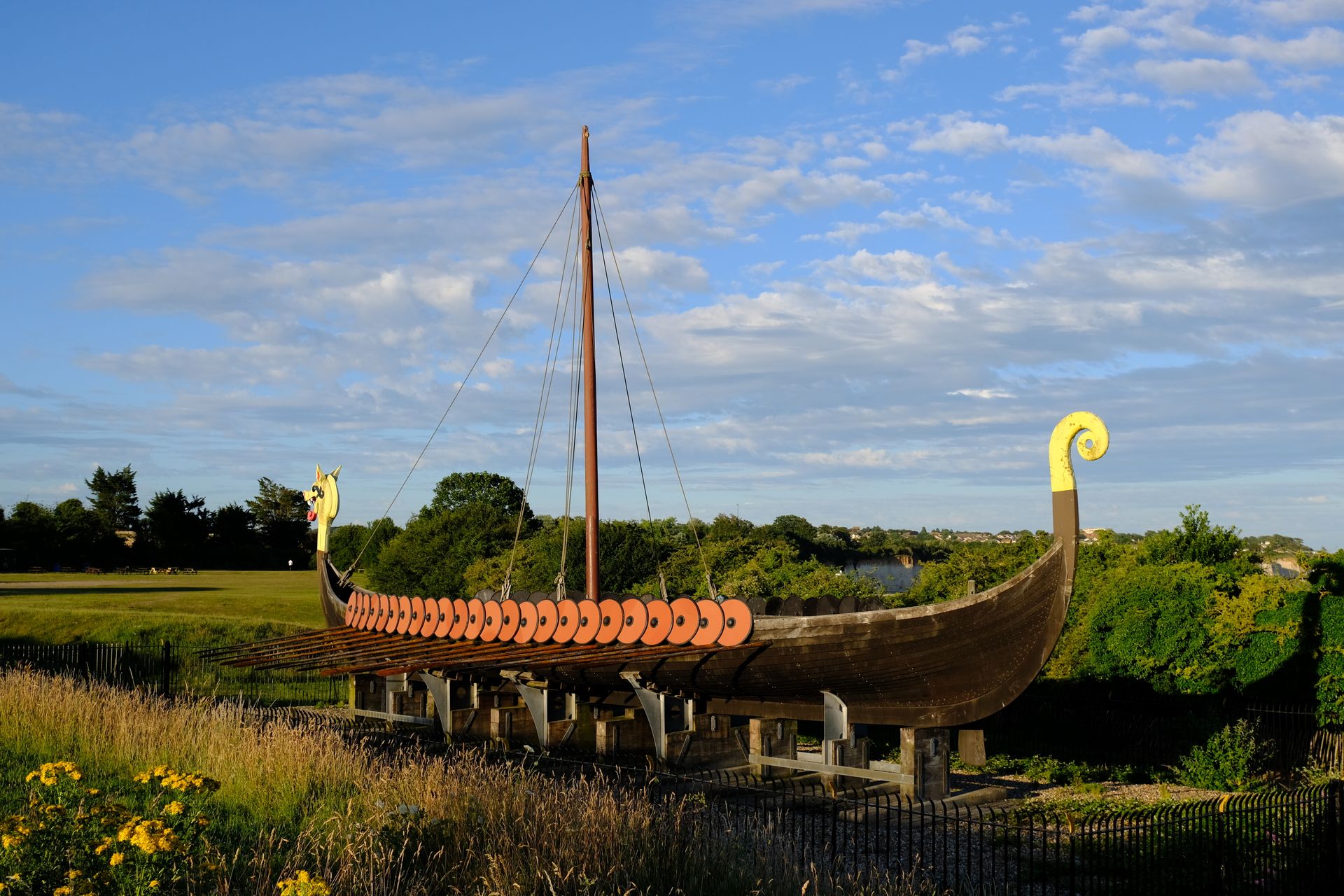
Olaf Tryggvason: the Viking king whose death is still a mystery
King Olaf Tryggvason of Norway vanished at the Battle of Svolder around AD 1000, in one of the most dramatic episodes of the Viking Age. Most medieval sources say he drowned in his armor rather than surrender, but some later accounts — and a handful of modern historians — have wondered whether he actually escaped.
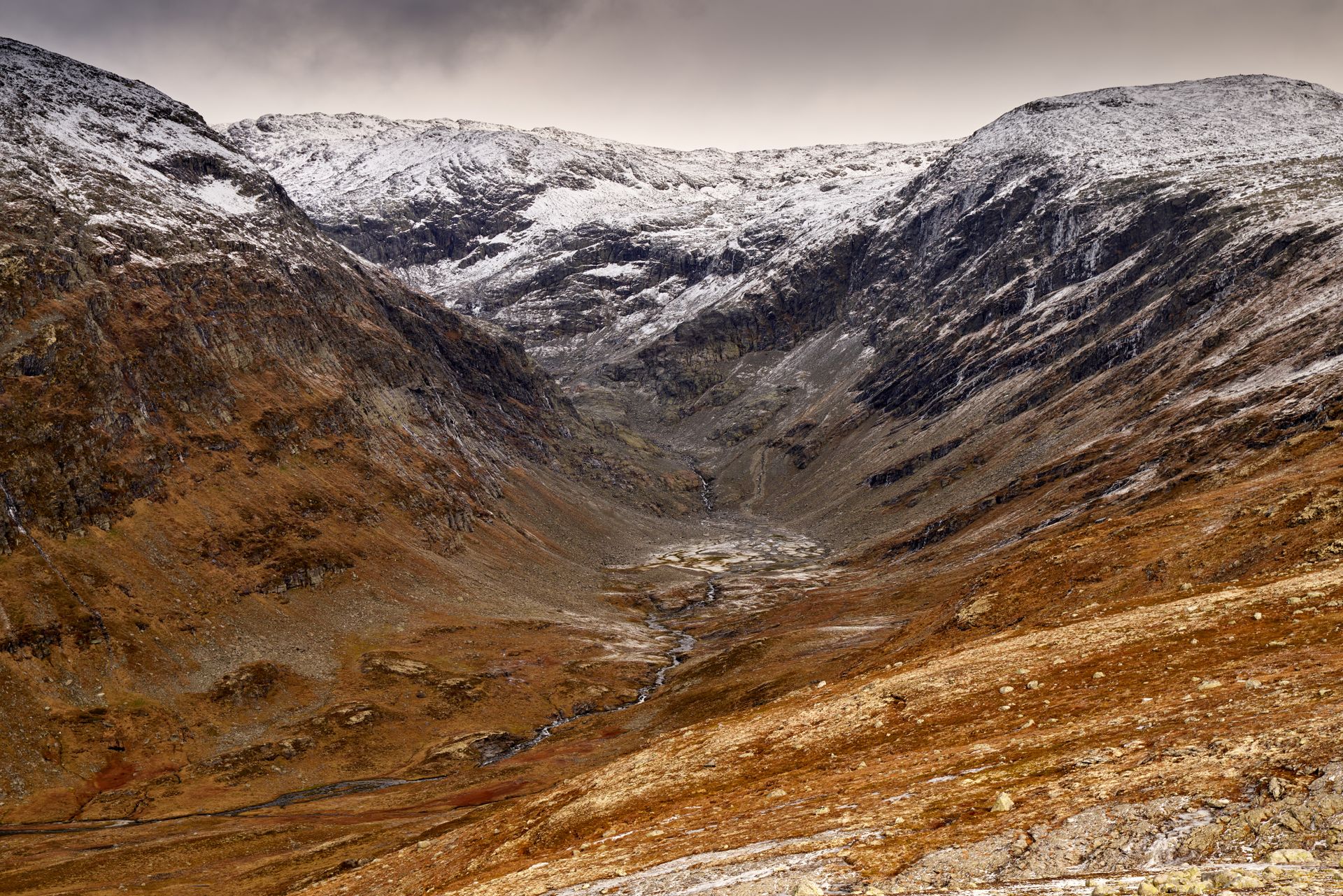
The 1863 Bear River attack, and the Shoshone effort to restore its site
In January 1863, US Army soldiers killed several hundred Shoshone people at a winter encampment along the Bear River, in what historians regard as one of the deadliest attacks on Native Americans in US history. More than 160 years later, the Northwestern Band of the Shoshone Nation is restoring the site's natural landscape as part of an ongoing effort to reclaim and interpret its history.
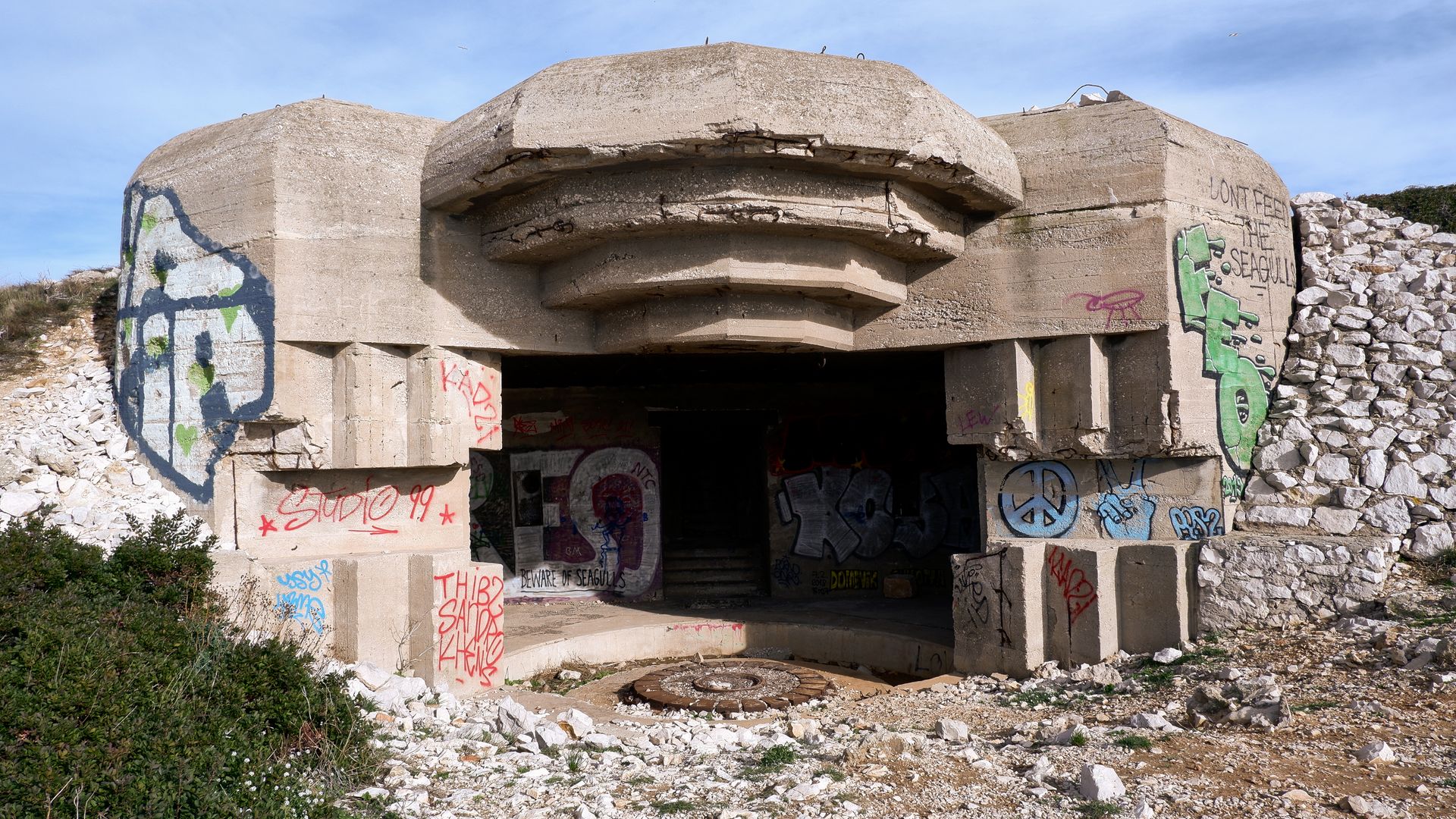
On this day in 1961: East Germany began building the Berlin Wall
In the early hours of 13 August 1961, East German authorities sealed the border between East and West Berlin, stringing barbed wire that would soon become a concrete wall. The Berlin Wall stood for 28 years as the most visible symbol of the Cold War division of Europe.

8 of history's greatest unsolved mysteries, from Jack the Ripper to the Princes in the Tower
Despite decades of forensic techniques and new archival finds, these eight cases remain among history's genuinely unsolved puzzles. From the identity of Jack the Ripper to the fate of the Princes in the Tower, none has ever been definitively settled.