On this day in 1914: the Panama Canal opened, rewriting the map of global trade

On the morning of August 15, 1914, the cargo and passenger ship SS Ancon slipped out of Cristobal on Panama's Caribbean coast and, over roughly nine hours, made its way through a system of locks and an artificial lake to emerge on the Pacific side at Balboa. The voyage marked the official opening of the Panama Canal, a 51-mile waterway that instantly and permanently altered the geography of global shipping, eliminating the need for vessels traveling between the eastern and western coasts of the Americas to sail the roughly 8,000-mile route around Cape Horn at the southern tip of South America.
The idea of a canal across the narrow isthmus of Panama had circulated for centuries, dating back to Spanish colonial surveys in the 1500s, but the technical and financial obstacles were immense. The first serious attempt came from a French company led by Ferdinand de Lesseps, the engineer behind the Suez Canal, who began construction in 1881. The French effort collapsed after roughly eight years, defeated by a combination of financial mismanagement, engineering miscalculations, and a catastrophic death toll from tropical diseases, particularly yellow fever and malaria, that killed an estimated 22,000 workers.
The United States took over the project in 1904, following a period of political maneuvering that included American support for Panama's separation from Colombia in 1903, which secured Washington the treaty rights needed to build and control the canal zone. The American construction effort, led by chief engineer John Frank Stevens and later George Washington Goethals, addressed the disease problem that had doomed the French attempt by drawing on the recent work of physician William Gorgas, who applied emerging knowledge about mosquito-borne transmission to implement large-scale sanitation and mosquito-control programs across the construction zone.
The engineering solution that made the canal possible was a system of locks rather than a sea-level channel, an approach the French had originally rejected before ultimately abandoning their sea-level plan as impractical given the terrain. Ships transiting the canal are raised roughly 85 feet above sea level through a series of locks to cross the continental divide via the artificial Gatun Lake, then lowered back down on the opposite side — a solution that required less excavation than a sea-level canal but demanded extraordinary precision in lock engineering and water management.
The human cost of the American construction phase, while dramatically lower than the French effort due to the disease-control measures, remained significant: several thousand workers died during the decade of American-led construction, the majority from disease and workplace accidents, with West Indian laborers, who made up the bulk of the workforce, bearing a disproportionate share of the casualties and receiving markedly lower wages and worse living conditions than white American workers, under a racially segregated pay and housing system that persisted in the Canal Zone for decades afterward.
The canal's opening in 1914 coincided almost exactly with the outbreak of the First World War in Europe, a coincidence of timing that meant the waterway's strategic and commercial significance was initially overshadowed by the unfolding conflict and received comparatively little international fanfare at the moment of its completion. Its economic and military importance became unmistakable in the decades that followed, as it dramatically shortened shipping routes for both commercial cargo and naval vessels moving between the Atlantic and Pacific.
Control of the canal remained a significant point of tension between the United States and Panama for much of the twentieth century. The original 1903 treaty granted the US control over a zone surrounding the waterway in terms many Panamanians regarded as an infringement on national sovereignty, a grievance that culminated in deadly riots in 1964 and years of subsequent negotiation. The Torrijos-Carter Treaties, signed in 1977, established a framework for the gradual transfer of the canal to full Panamanian control, a process completed at noon on December 31, 1999, when Panama assumed complete ownership and operation of the waterway.
The canal has continued to evolve well beyond its 1914 design. A major expansion project, completed in 2016, added a new set of larger locks capable of accommodating the significantly larger container ships that have come to dominate global shipping since the mid-twentieth century, a class of vessel too large for the original locks and often referred to in shipping terminology as "post-Panamax" ships. The expansion roughly doubled the canal's cargo capacity and reflected the waterway's continued centrality to global trade more than a century after its original opening.
Today, the Panama Canal handles a substantial share of global maritime trade, including a significant portion of container traffic moving between Asia and the eastern United States, and remains one of the most closely watched pieces of infrastructure in international shipping — a status underscored in recent years by episodes of severe drought that lowered water levels in Gatun Lake and forced temporary restrictions on the size and number of ships permitted to transit, illustrating the waterway's continued vulnerability to environmental conditions more than a century after engineers first solved the problem of connecting two oceans.
More than a century after the SS Ancon's inaugural crossing, the canal stands as one of history's most consequential engineering achievements, a project that reshaped global trade routes, cost tens of thousands of lives across two national construction efforts, and became entangled with questions of sovereignty and empire that took most of the twentieth century to resolve — a reminder that even the most celebrated feats of engineering carry a human history far more complicated than the maps they redrew.
Read next

Fannie Bay Gaol: the frontier prison that held Australia's Northern Territory for nearly a century
For nearly a hundred years, Fannie Bay Gaol served as the principal prison of Australia's Northern Territory, holding everyone from cattle rustlers to condemned murderers behind walls built from local stone, timber and corrugated iron. Its gallows carried out the territory's last executions before the prison closed in 1979, leaving behind one of Australia's most complete surviving frontier penal sites.
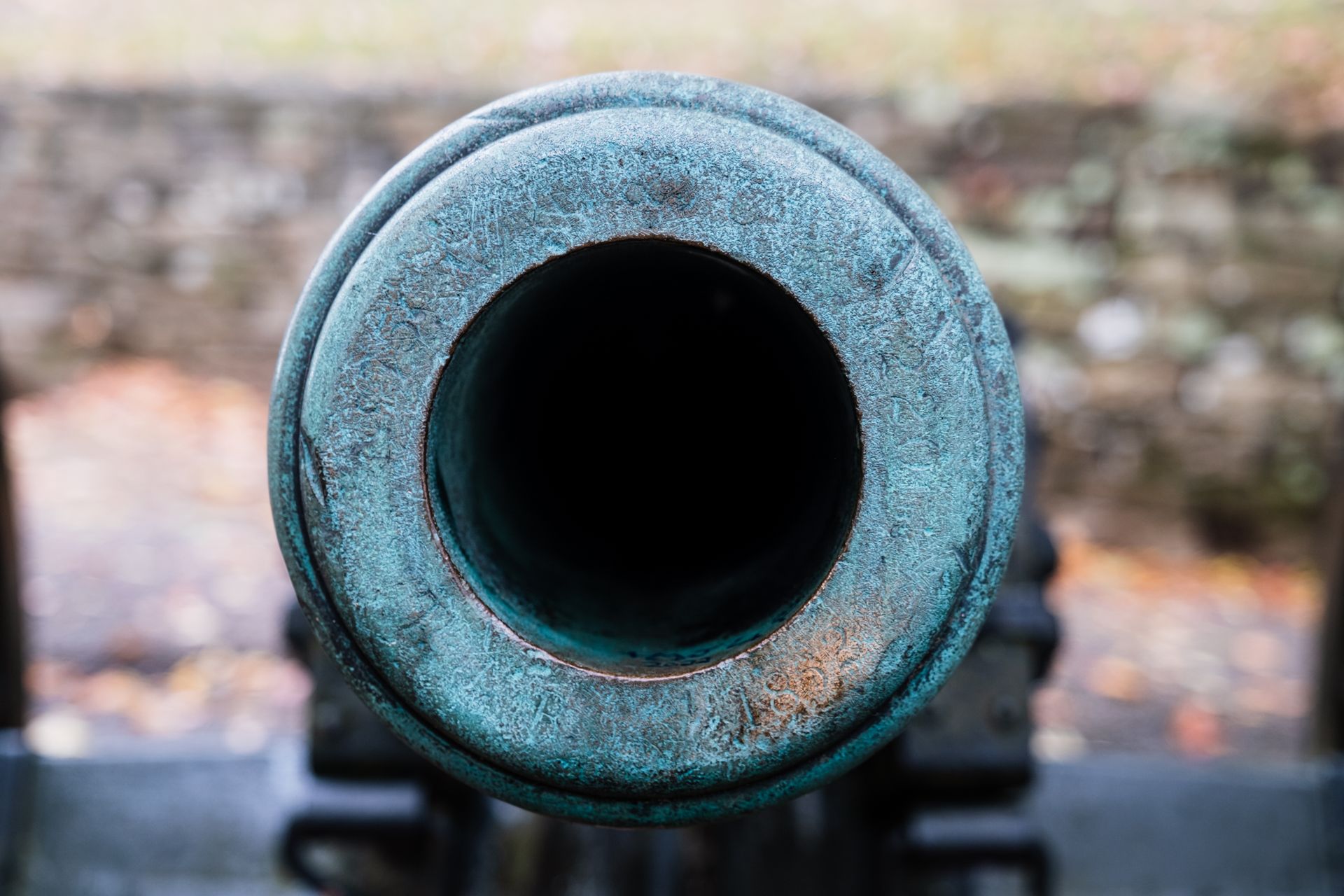
The Hessians were meant to crush the American Revolution fast. They fought for years instead
Roughly 30,000 German soldiers, widely but inaccurately remembered as mercenaries, fought for the British crown during the American Revolutionary War. Recruited under treaties between Britain and various German principalities, they were meant to help end the rebellion quickly — instead they endured nearly a decade of grinding warfare far from home.
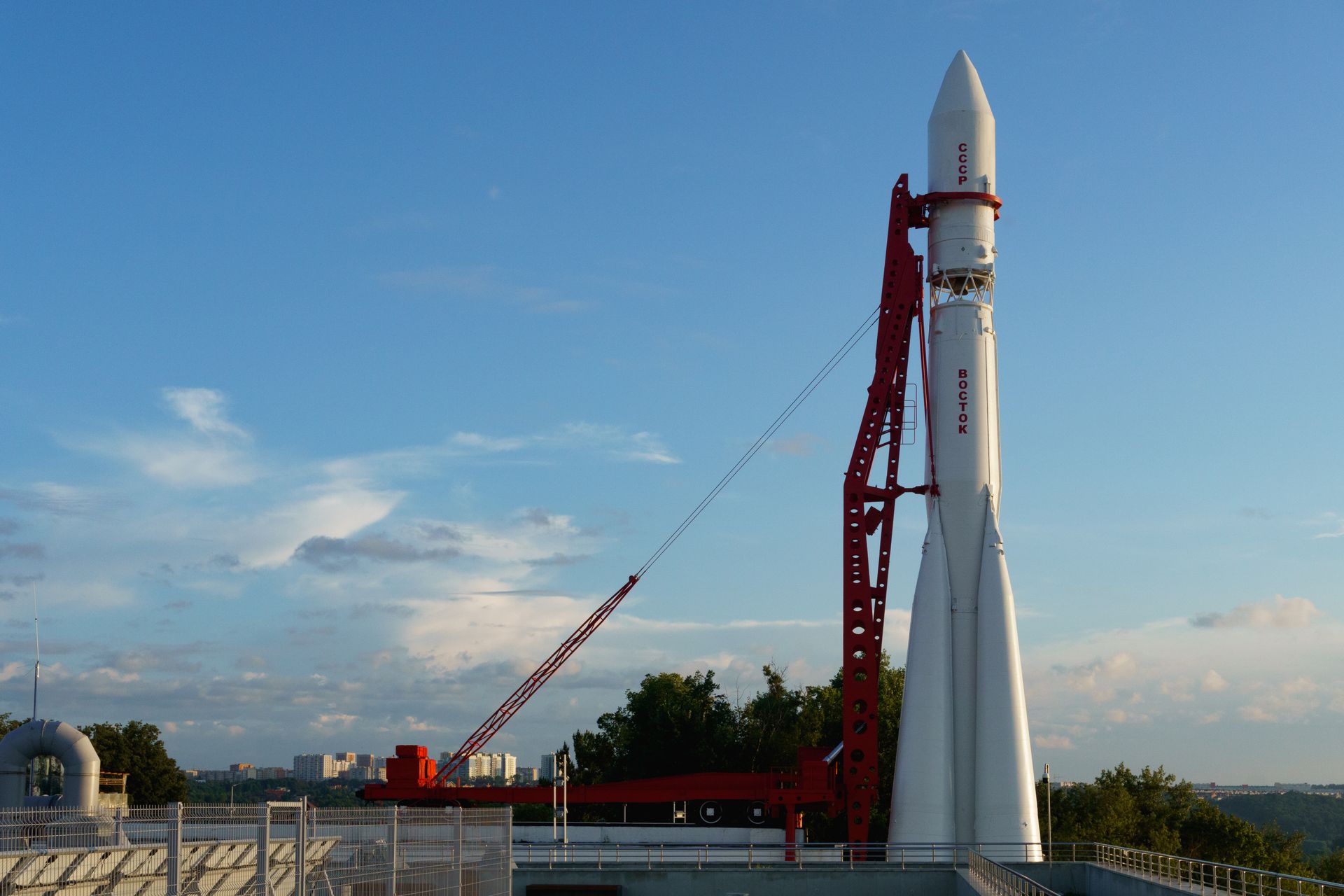
Who was Yuri Gagarin? The story of the first human in space
In 1961, Yuri Gagarin orbited the Earth once aboard the Vostok 1 capsule, becoming the first human being to venture into space. Born to a peasant family, his journey from rural Russia to global icon became one of the defining symbols of the Cold War era.
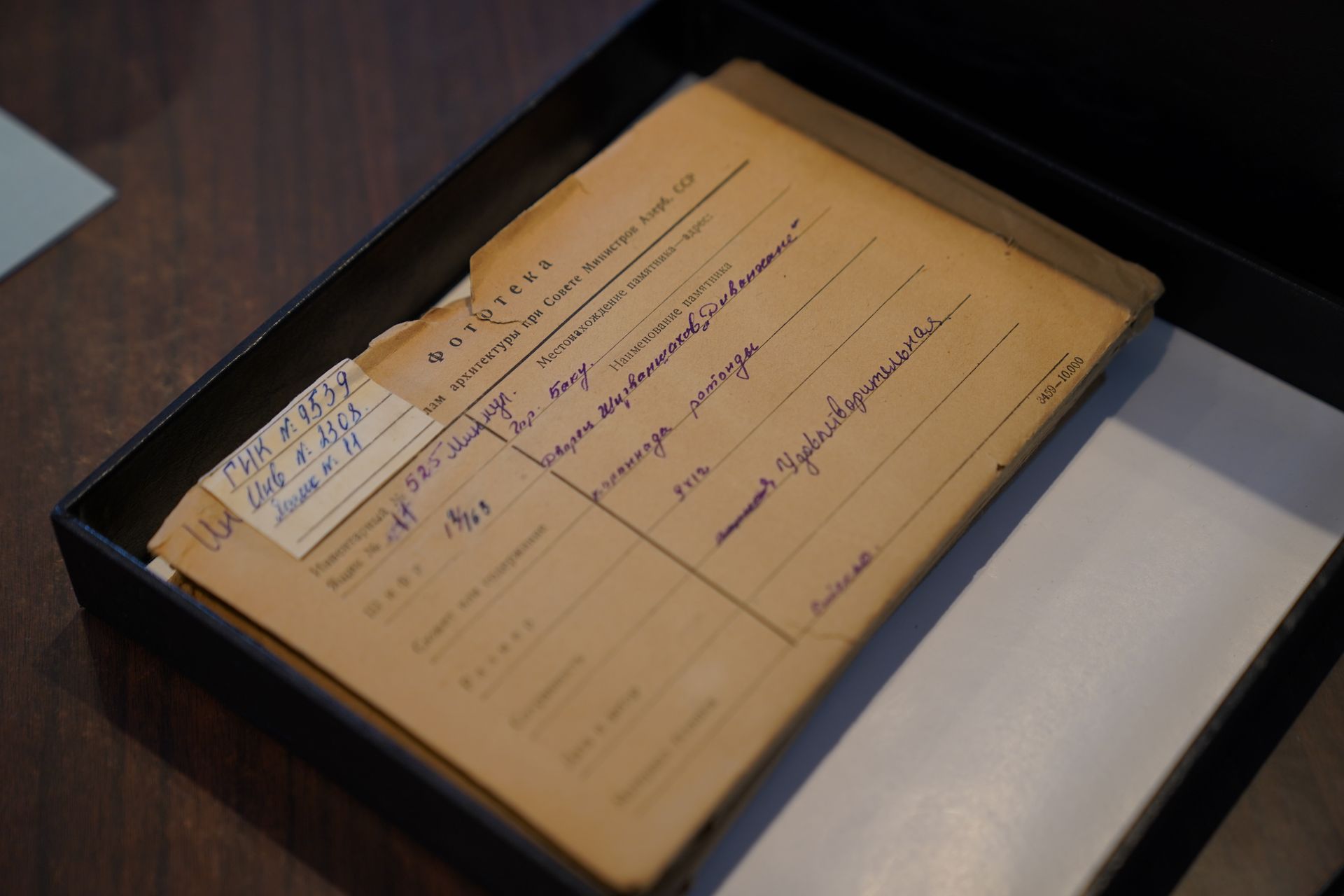
On this day: the US Social Security Act is signed into law (1935)
On 14 August 1935, President Franklin D. Roosevelt signed the Social Security Act into law amid the Great Depression, establishing a federal system of old-age, unemployment and disability insurance in the United States. The act became one of the most influential blueprints for the modern welfare state worldwide.
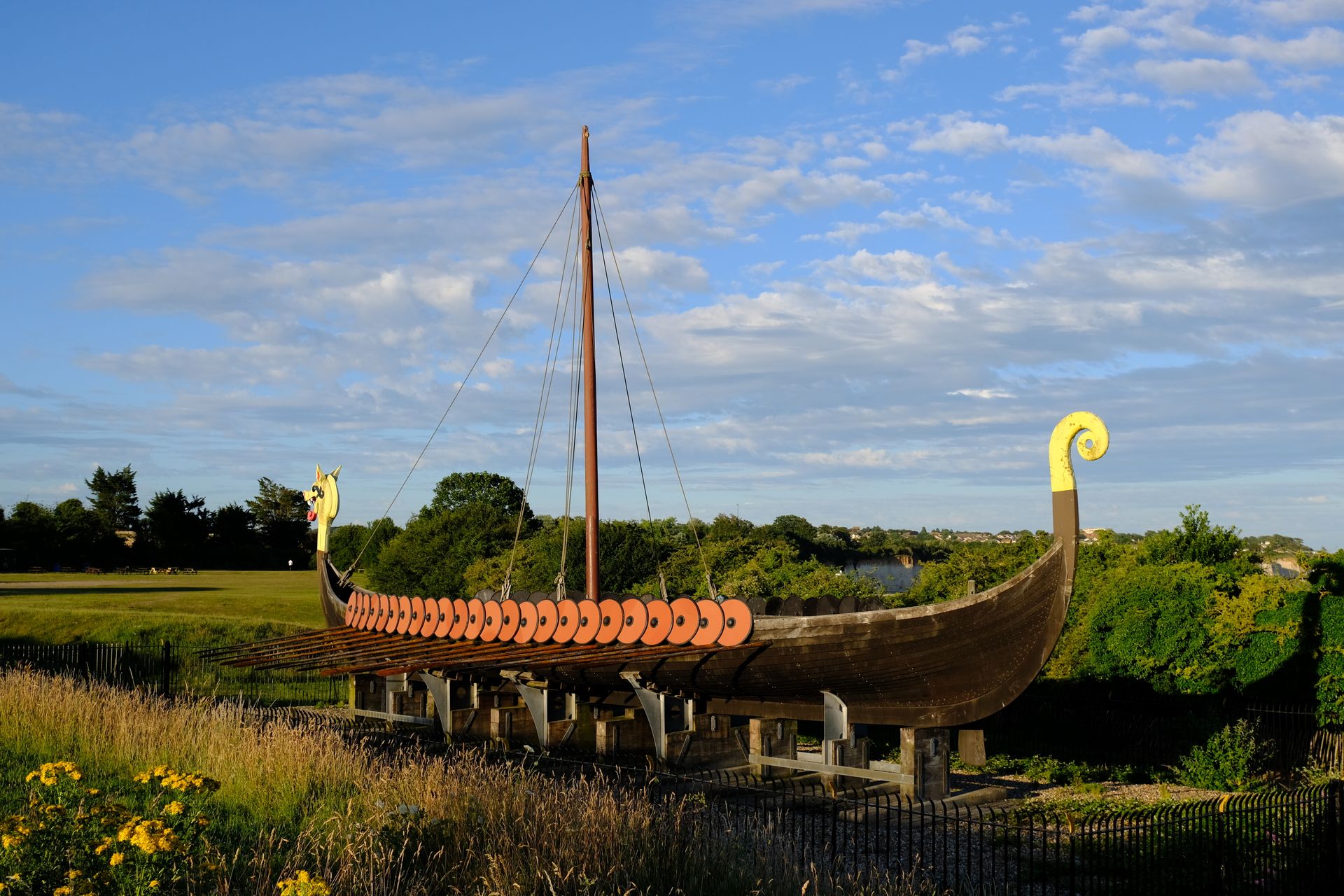
Olaf Tryggvason: the Viking king whose death is still a mystery
King Olaf Tryggvason of Norway vanished at the Battle of Svolder around AD 1000, in one of the most dramatic episodes of the Viking Age. Most medieval sources say he drowned in his armor rather than surrender, but some later accounts — and a handful of modern historians — have wondered whether he actually escaped.