The Black surfmen of Pea Island: the crew behind a legendary sea rescue
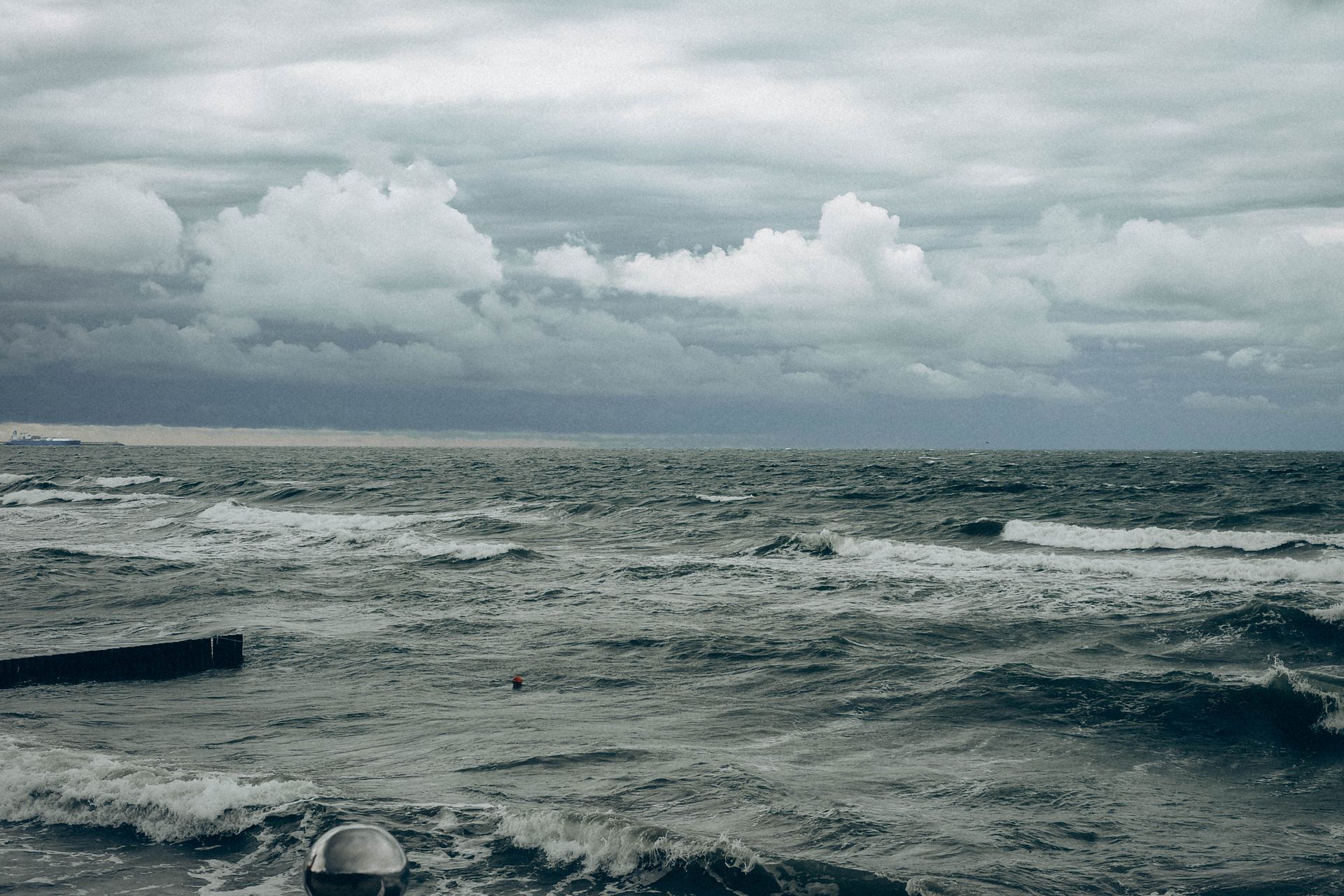
Along the windswept barrier islands of North Carolina's Outer Banks, a stretch of coast so treacherous it earned the nickname the Graveyard of the Atlantic, stood the Pea Island Life-Saving Station. As Atlas Obscura highlights, the station holds a distinctive place in American history: it was crewed by an all-Black team of surfmen, and it became associated with one of the most celebrated sea rescues of its era.
The US Life-Saving Service was a federal agency established in the nineteenth century to rescue mariners in distress along the country's dangerous coastlines. Its crews, known as surfmen, were stationed at posts dotted along the shore, ready to launch small boats into pounding surf or use line-throwing equipment to reach ships wrecked near the beach. The work was physically demanding and often carried out in the worst weather, when storms drove vessels aground.
Pea Island's station stood out because of who staffed it. In an era of deep racial segregation, its crew was composed entirely of African American surfmen, an unusual arrangement in a federal service. The station is closely linked with Richard Etheridge, who led the crew and whose name features prominently in accounts of its history as the keeper who commanded the all-Black team.
The most famous episode associated with the station was the rescue of the crew and passengers of a schooner driven ashore in a fierce storm. According to the histories recounted of the event, conditions were so severe that the usual rescue methods, which relied on firing a line to a stranded vessel, could not be used, forcing the surfmen to improvise an extraordinarily dangerous approach to reach those aboard.
What made the rescue legendary was the crew's decision to enter the surf directly. As the accounts describe it, pairs of surfmen tied themselves together with rope and waded and swam through the storm-driven sea to reach the wrecked vessel, carrying survivors back one at a time. They repeated the perilous journey through the breakers again and again until everyone aboard had been brought safely to shore.
The feat is remembered as a demonstration of exceptional courage and skill, accomplished under conditions that would have justified giving up. That it was carried out by a Black crew in a segregated era, at a time when their service was often overlooked or unrecognised, has given the story additional significance in the way it is remembered and retold today.
For many years, the accomplishments of the Pea Island crew received little of the formal recognition granted to others. Historical accounts note that acknowledgement came much later, with the crew's role in the dramatic rescue eventually honoured long after the events themselves, part of a broader effort to recover and recognise contributions that earlier generations had neglected.
The Pea Island story sits within the larger history of the Life-Saving Service, which was a forerunner of the modern United States Coast Guard. The service and its surfmen played a vital role in an age when sea travel was far more perilous than it is today and when a shipwreck near shore could mean the difference between life and death depending on whether a rescue crew could reach the vessel in time.
The station itself no longer operates, but its memory is preserved through historical accounts, commemorations and the efforts of those who have worked to keep the crew's achievements from being forgotten. The site and its history have become a point of interest for visitors to the Outer Banks and a focus for people researching both maritime history and the contributions of African Americans to it.
The surfmen of Pea Island are remembered today as figures whose bravery earned a lasting place in the history of coastal rescue. Their story, spotlighted by Atlas Obscura, combines a dramatic tale of survival against the sea with a broader lesson about recognition long delayed, and it endures as an example of service performed at great personal risk on one of America's most dangerous shores.
Read next

How Pompeii was rediscovered: the story of the buried Roman city
The Roman city of Pompeii was buried by the eruption of Mount Vesuvius in AD 79 and lay hidden for centuries before being rediscovered and excavated. Its recovery transformed how we understand daily life in the Roman world, according to accounts of the site's history.

On this day, 1 July 1916: the first day of the Battle of the Somme
On 1 July 1916, the Battle of the Somme began in northern France, opening one of the largest and costliest battles of the First World War. Its first day is remembered as among the most lethal in British military history, and the campaign has come to symbolise the scale of loss on the Western Front.

The Mosaics of Lin: early Christian art on the shore of Lake Ohrid
On a peninsula reaching into Albania's Lake Ohrid, the village of Lin preserves intricate early Christian floor mosaics from a sixth-century basilica. Atlas Obscura explores a site that links a small Balkan village to the wider late-antique Mediterranean world.
The laws of medieval Wales: what the codes of Hywel Dda reveal
Medieval Welsh law, traditionally associated with the 10th-century king Hywel Dda, was a distinctive legal system with unusual provisions on compensation, women's rights and social order. HistoryExtra explores what these codes tell us about life in early Wales.
On this day in 1908: the Tunguska event flattens a Siberian forest
On 30 June 1908, a massive explosion over the Tunguska River in Siberia flattened an estimated 80 million trees across more than 2,000 square kilometres. Most scientists attribute it to the airburst of an asteroid or comet fragment, making it the largest such impact event in recorded history.