The laws of medieval Wales: what the codes of Hywel Dda reveal
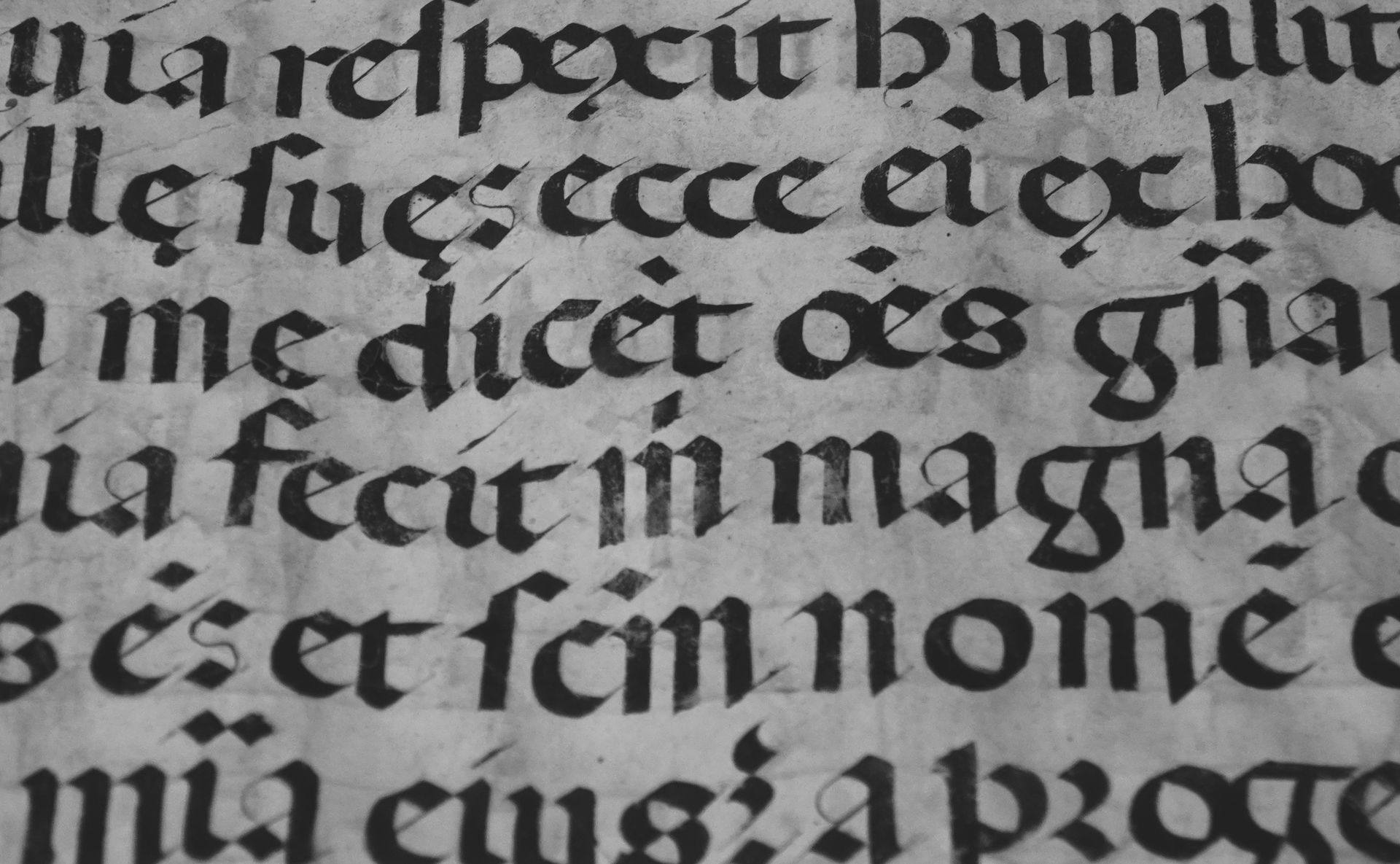
Among the legal traditions of medieval Europe, the laws of early Wales stand out as one of the most distinctive. Traditionally attributed to Hywel Dda, a king who ruled much of Wales in the 10th century, these codes survive in later manuscripts and offer a remarkable window into how an early medieval society sought to order itself. HistoryExtra examines what they reveal.
The association with Hywel Dda is itself a matter for careful framing. The surviving law texts date from centuries after his reign, and historians generally treat the link as a tradition that lent the laws authority rather than as a verbatim record of legislation he personally enacted. What the texts preserve is a Welsh legal culture that developed and was written down over a long period.
What strikes modern readers first is the law's emphasis on compensation rather than punishment. Where some legal systems leaned toward physical penalties, Welsh law often worked through a detailed system of payments. Wrongs, from insult to injury to killing, were assigned values, and resolving a dispute frequently meant calculating what was owed to the injured party or their kin.
Central to this was the concept known as galanas, a payment owed in cases of killing, and sarhaed, compensation for insult or injury to a person's honour. These were not arbitrary; the law set out scales reflecting a person's status and the nature of the offence. The effect was a system that aimed to restore social balance and head off cycles of revenge between families.
The laws are also notable for their treatment of women, which in certain respects was more generous than in some contemporary systems. Welsh law made provisions concerning marriage, separation and property that gave women defined entitlements, including in the division of goods if a marriage ended. Historians are careful not to overstate this, since the society remained patriarchal, but the provisions are striking for their period.
The codes extend into the texture of everyday life with a precision that can seem almost startling. They address the value of animals, the responsibilities attached to particular roles in the king's household, the obligations of hospitality, and the worth of objects and tools. Reading them is like glimpsing the practical concerns of a working society, catalogued in legal language.
This granularity is part of what makes the laws so valuable to historians. Legal texts, because they deal in concrete cases and specific values, can reveal aspects of daily life that chronicles and poetry leave out. The Welsh laws preserve assumptions about kinship, property, status and obligation that would otherwise be lost.
The survival of a separate Welsh legal tradition also carries broader significance. For much of the medieval period, Wales maintained its own law in the face of external pressures, and that legal distinctiveness was bound up with a sense of Welsh identity. The gradual displacement of native law by English legal structures in later centuries was part of a wider political transformation.
Interpreting these texts is not straightforward. They survive in different versions, copied and adapted over time, and scholars debate how closely the written law matched everyday practice. As with any legal source, the gap between what the law prescribed and what actually happened must be kept in mind, and HistoryExtra's treatment reflects that scholarly caution.
What endures is a portrait of a society with a sophisticated and humane legal imagination. The laws of medieval Wales, whatever their precise relationship to Hywel Dda, reveal a culture that thought carefully about justice, compensation and the bonds between people, and they remain one of the richest sources for understanding early Welsh life.
Read next

The Mosaics of Lin: early Christian art on the shore of Lake Ohrid
On a peninsula reaching into Albania's Lake Ohrid, the village of Lin preserves intricate early Christian floor mosaics from a sixth-century basilica. Atlas Obscura explores a site that links a small Balkan village to the wider late-antique Mediterranean world.
On this day in 1908: the Tunguska event flattens a Siberian forest
On 30 June 1908, a massive explosion over the Tunguska River in Siberia flattened an estimated 80 million trees across more than 2,000 square kilometres. Most scientists attribute it to the airburst of an asteroid or comet fragment, making it the largest such impact event in recorded history.

What was Project Plowshare? The history of using nuclear bombs to extract natural gas
In 1973 in Colorado, the US Department of Energy detonated three nuclear bombs down a natural gas well. The test was part of Project Plowshare, a programme aimed at using nuclear explosions for peaceful engineering purposes. This is the story of that programme.

Who were the Ladies of Llangollen? The story of two women who fascinated Georgian society
Eleanor Butler and Sarah Ponsonby built a life together in 18th-century Wales, becoming famous for their shared home and devoted companionship. Known as the Ladies of Llangollen, the pair drew the admiration and curiosity of Georgian society.

26 June 1945: the signing of the United Nations Charter
On 26 June 1945, in San Francisco, delegates from 50 countries signed the United Nations Charter, the founding document of an organisation meant to build a new international order after the Second World War. The Charter set out the UN's core principles and bodies.