The Mosaics of Lin: early Christian art on the shore of Lake Ohrid

On a small peninsula that juts into the clear waters of Lake Ohrid, on the Albanian side of one of Europe's oldest lakes, sits the village of Lin. Above it lie the remains of a sixth-century basilica, and on its floors survive intricate mosaics that connect this quiet Balkan place to the wider world of late antiquity. Atlas Obscura describes a site where local landscape and Mediterranean history meet.
The mosaics date from the early Christian period, when the religion was becoming established across the Roman and post-Roman Mediterranean. Laid as decorative floors, they are composed of small coloured stones, or tesserae, arranged into geometric patterns and stylised images. Such floor mosaics were a hallmark of the era's religious architecture, found from North Africa to the Levant to the Balkans.
What survives at Lin is valued both for its craftsmanship and for what it represents. The patterns and motifs reflect a shared visual language that spread across the late-antique world, and their presence here shows how thoroughly that culture reached even relatively remote inland communities. A village on an Albanian lake was, in this sense, part of a much larger network.
Lake Ohrid itself adds to the significance of the setting. Straddling the modern border between Albania and North Macedonia, it is among the oldest and deepest lakes in Europe and has long been recognised for its ecological and cultural importance. Human settlement around its shores stretches back thousands of years, and the Lin mosaics are one layer in a very deep history.
The basilica to which the mosaics belonged would have served a Christian community in the region during a period of profound transition. The old Roman order was giving way to the early medieval world, and religious buildings like this were among the most ambitious constructions of their communities, their decorated floors a statement of both faith and resources.
Reading the mosaics requires the usual caution of archaeology. Interpretations of specific motifs, the precise dating, and the history of the building rest on scholarly analysis, and details can be revised as research continues. Atlas Obscura presents the site as a place to encounter that history directly, while the finer points remain the province of specialists.
The preservation of such mosaics is itself a story. Floor mosaics survive when they are protected from the elements and from disturbance, and exposed sites require careful conservation to prevent damage from weather, vegetation and visitors. The continued survival of the Lin mosaics depends on that ongoing care.
Sites like Lin matter for how they distribute historical attention. The grand monuments of late antiquity tend to dominate the story, but smaller sites reveal how widely a culture was actually lived. The mosaics show that sophisticated religious art was not confined to major cities but extended into modest communities, reshaping the picture of the period.
For Albania, such sites are also part of a rich but sometimes under-recognised heritage. The country's long and layered history, spanning Illyrian, Greek, Roman, Byzantine, Ottoman and modern periods, has left a dense archaeological record, and places like Lin contribute to a fuller understanding of the southern Balkans across the centuries.
The enduring appeal of the Mosaics of Lin lies in that meeting of the local and the universal. A peninsula on an ancient lake, a village, and a set of patterned floors together preserve a fragment of the late-antique Mediterranean, a reminder that even the most out-of-the-way places can hold pieces of a very large story.
Read next
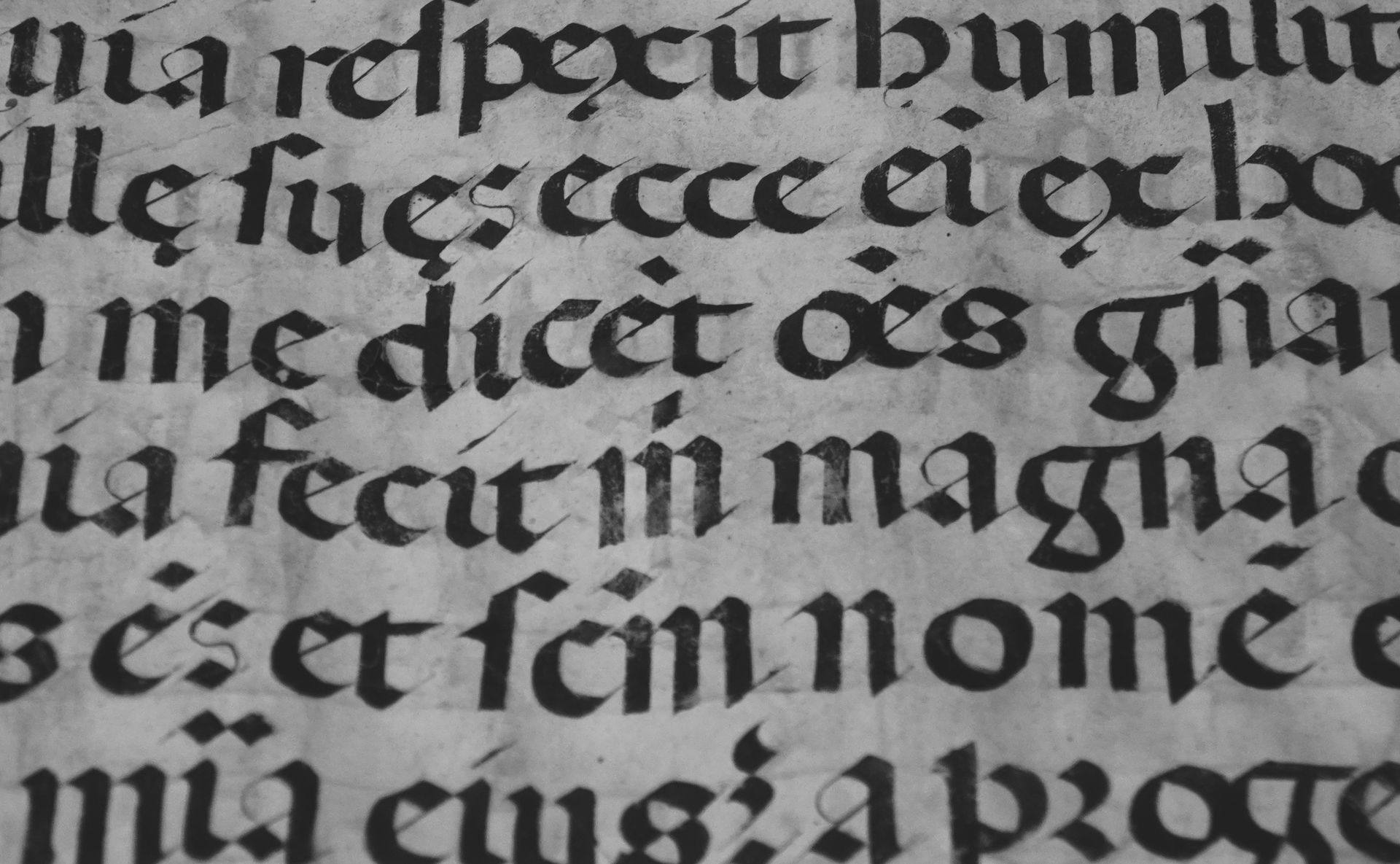
The laws of medieval Wales: what the codes of Hywel Dda reveal
Medieval Welsh law, traditionally associated with the 10th-century king Hywel Dda, was a distinctive legal system with unusual provisions on compensation, women's rights and social order. HistoryExtra explores what these codes tell us about life in early Wales.
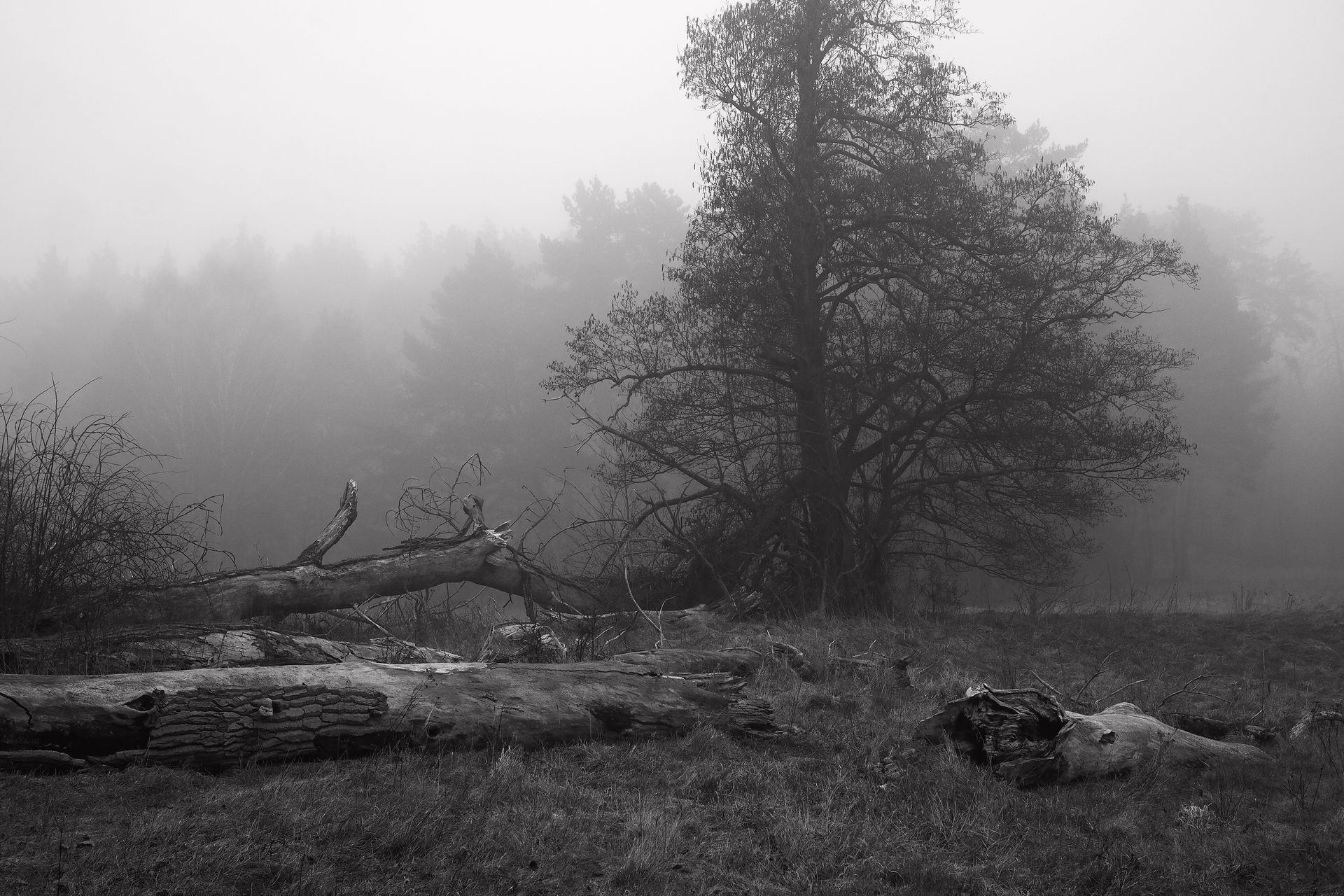
On this day in 1908: the Tunguska event flattens a Siberian forest
On 30 June 1908, a massive explosion over the Tunguska River in Siberia flattened an estimated 80 million trees across more than 2,000 square kilometres. Most scientists attribute it to the airburst of an asteroid or comet fragment, making it the largest such impact event in recorded history.
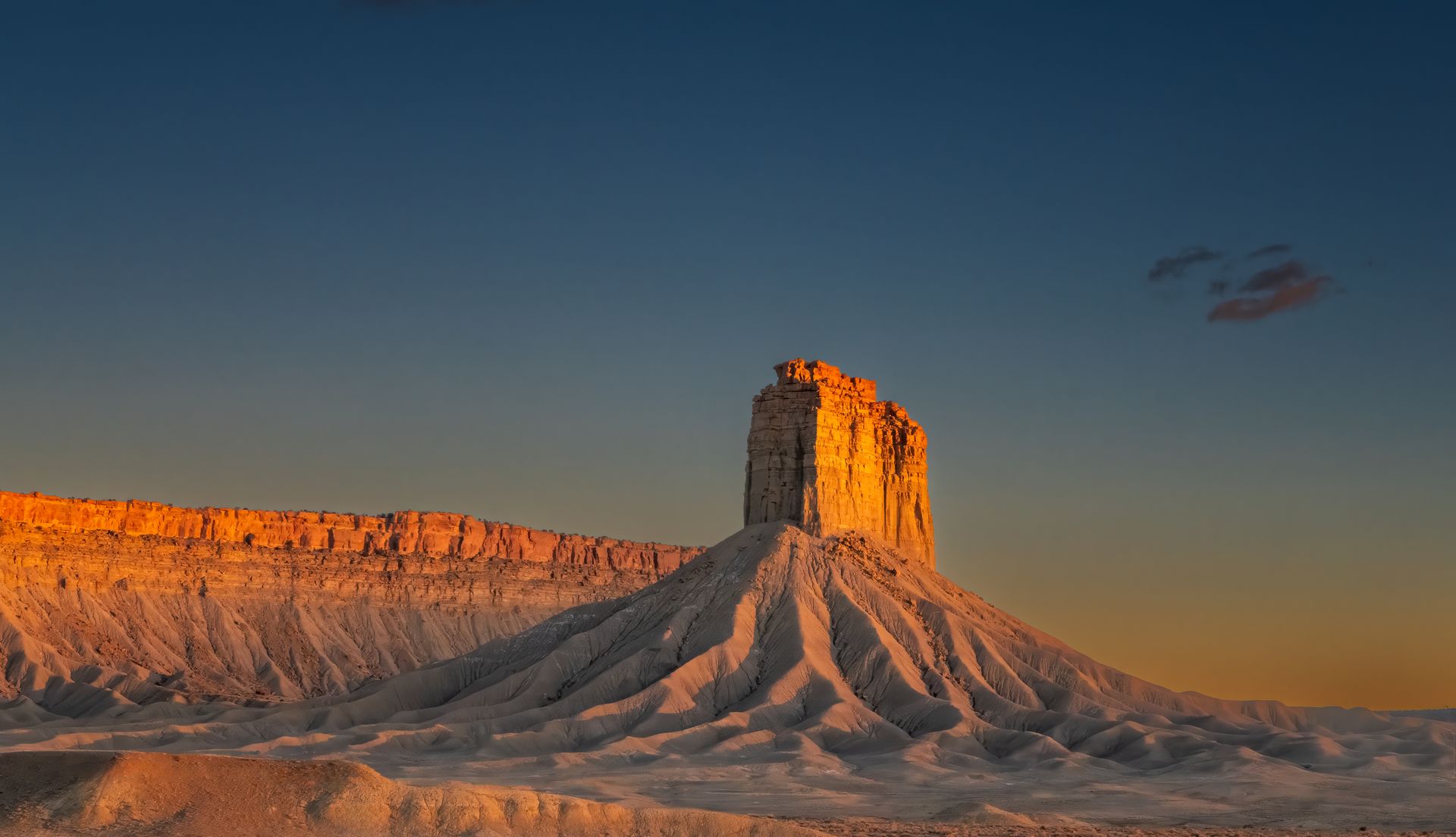
What was Project Plowshare? The history of using nuclear bombs to extract natural gas
In 1973 in Colorado, the US Department of Energy detonated three nuclear bombs down a natural gas well. The test was part of Project Plowshare, a programme aimed at using nuclear explosions for peaceful engineering purposes. This is the story of that programme.
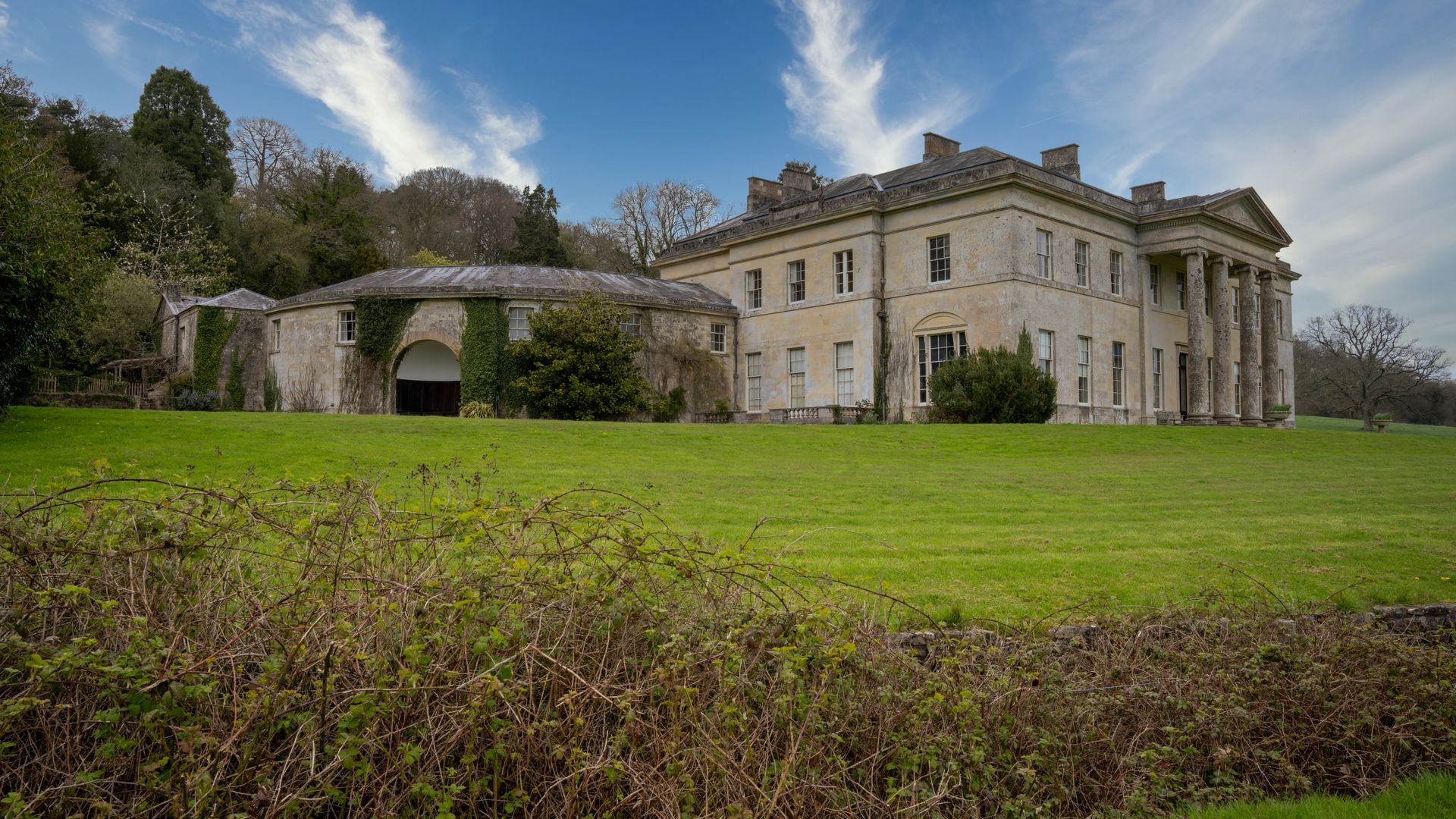
Who were the Ladies of Llangollen? The story of two women who fascinated Georgian society
Eleanor Butler and Sarah Ponsonby built a life together in 18th-century Wales, becoming famous for their shared home and devoted companionship. Known as the Ladies of Llangollen, the pair drew the admiration and curiosity of Georgian society.

26 June 1945: the signing of the United Nations Charter
On 26 June 1945, in San Francisco, delegates from 50 countries signed the United Nations Charter, the founding document of an organisation meant to build a new international order after the Second World War. The Charter set out the UN's core principles and bodies.