Who were the Ladies of Llangollen? The story of two women who fascinated Georgian society
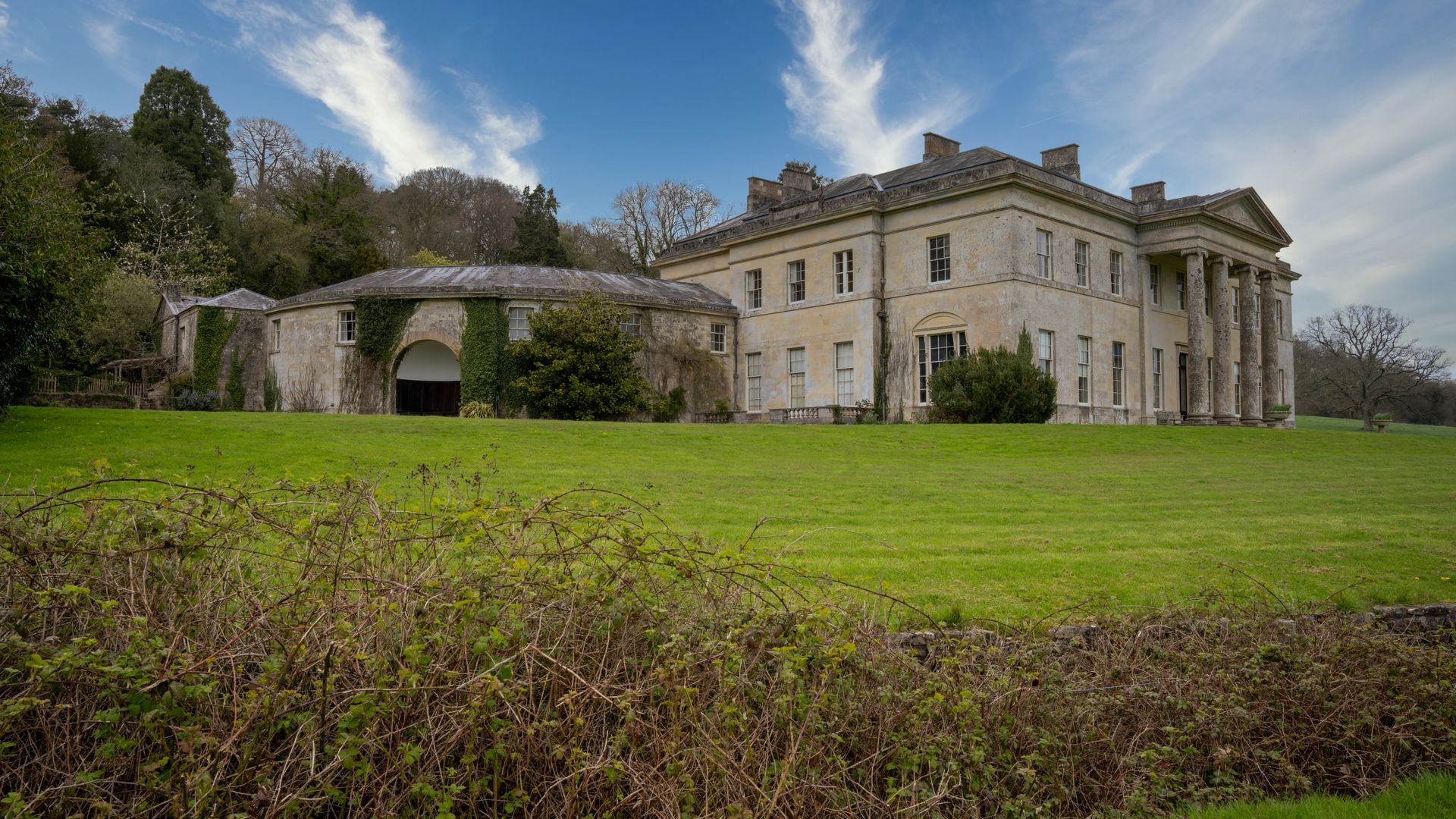
In the late 18th century, two women living together in the Llangollen valley of Wales became among the most talked-about figures of their time. According to HistoryExtra, Eleanor Butler and Sarah Ponsonby became known as the Ladies of Llangollen for the shared life they built and their devoted companionship.
The pair grew up in Ireland, members of aristocratic families. Eleanor Butler was the daughter of a wealthy family; Sarah Ponsonby was a younger relative. A strong bond formed between them, and with it a desire to live a life of their own choosing, away from the marriage expectations imposed on women of the period.
In 1778, fleeing the pressure of their families, they decided to build a life together. Their first attempts to leave ended in failure and they were brought back; but their determination eventually persuaded their families. The pair settled in Wales, moving into a house they named Plas Newydd near Llangollen.
Over the years they spent together, they decorated their home with great care. Plas Newydd became a place noted for its carved woodwork, its books and its gardens. The pair led an orderly life focused on reading, writing, learning languages and improving their property.
In time their home became a stopping place known in the intellectual and social circles of the era. Writers, poets and distinguished visitors called at Plas Newydd. With their chosen lifestyle — simple yet cultured — the pair offered an example outside the conventional social expectations of the period.
The nature of the Ladies of Llangollen's relationship has been a subject of curiosity and interpretation both in their own time and in later centuries. Historians note that it is difficult to place their relationship in a single definite category; the pair's close friendship has been interpreted in various ways, as a romantic bond or a life partnership. The records of the period remain open to different readings when it comes to interpretive claims.
What is certain is the impression the pair left on their contemporaries. Many saw them as an example of loyalty and friendship; some regarded them as an unusual model of how women might build an independent life outside marriage. For this reason their story is read as an example reflecting the tension between social expectations and individual choices.
The pair lived together at Plas Newydd for decades. The lives of Eleanor Butler and Sarah Ponsonby left their trace in the diaries, letters and visitors' accounts of the period. These sources today give historians a glimpse of their daily life and the social circle they moved in.
Today Plas Newydd can be visited as a museum that tells the pair's story. The house is preserved as a tangible testimony to Georgian-era life and to the unusual partnership these two women built.
The story of the Ladies of Llangollen is an example of how history is woven not only from great events but from personal choices. The decision of two women to build a life on their own terms offers an intriguing window onto the social norms of the period and the limits of those norms.
Read next
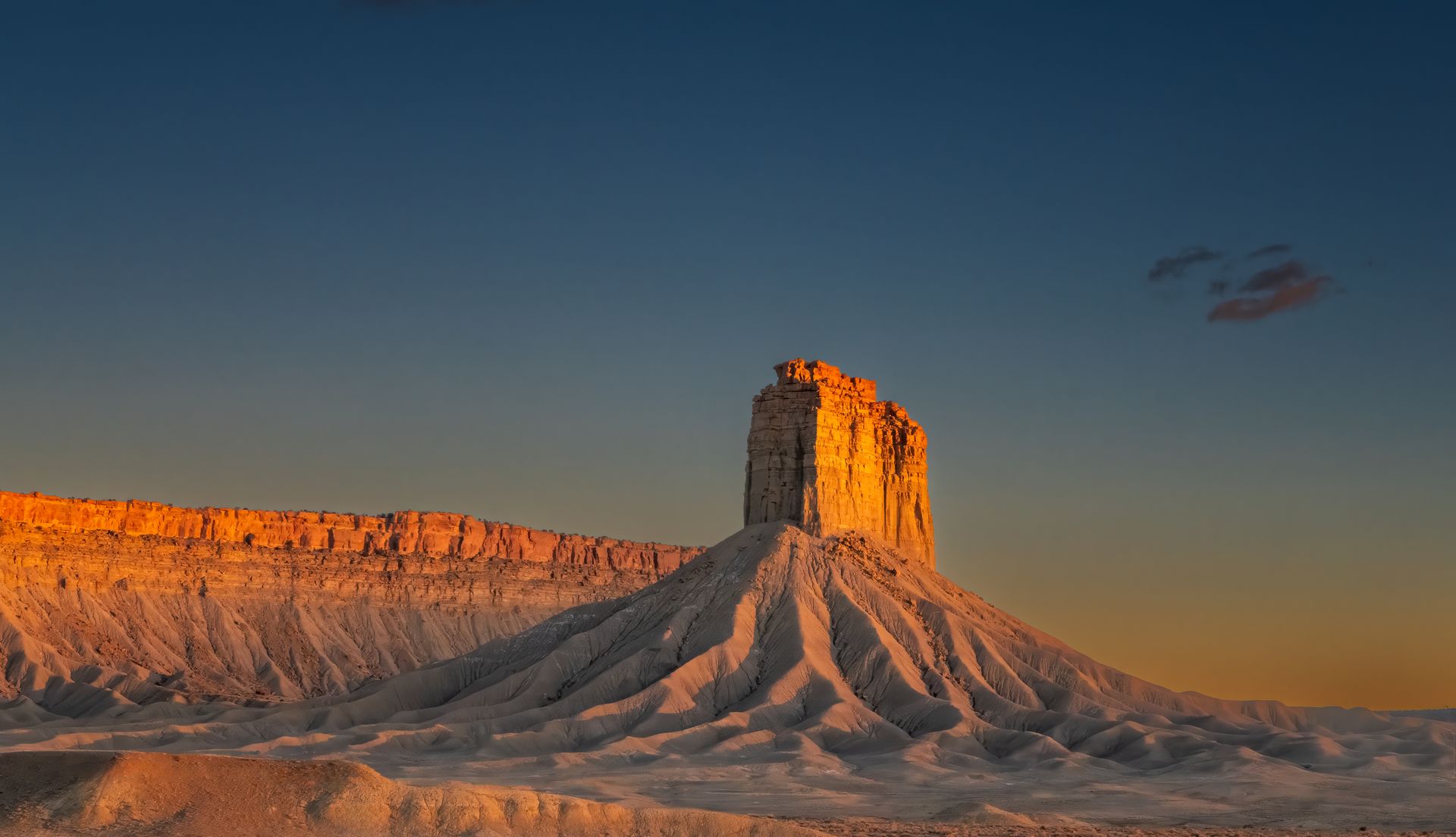
What was Project Plowshare? The history of using nuclear bombs to extract natural gas
In 1973 in Colorado, the US Department of Energy detonated three nuclear bombs down a natural gas well. The test was part of Project Plowshare, a programme aimed at using nuclear explosions for peaceful engineering purposes. This is the story of that programme.

26 June 1945: the signing of the United Nations Charter
On 26 June 1945, in San Francisco, delegates from 50 countries signed the United Nations Charter, the founding document of an organisation meant to build a new international order after the Second World War. The Charter set out the UN's core principles and bodies.

The Korean War begins
On 25 June 1950, North Korean forces poured across the 38th parallel into the South, igniting the first armed conflict of the Cold War. Three years of fighting killed millions and ended in an armistice — but no peace treaty — that divides the Korean peninsula to this day.

Who was Emma Goldman? The life of a radical thinker and activist
Emma Goldman was one of the most prominent and controversial political activists of the late 19th and early 20th centuries, known for her writing and speeches on anarchism, labour rights and free expression. This profile traces her journey from Russian-born immigrant to internationally watched figure, drawing on a HistoryExtra biographical feature.

The Finnish smoke sauna: how an ancient bathing tradition survives in Finland
The smoke sauna, or savusauna, is the oldest form of the Finnish sauna, heated by a chimneyless fire that fills the room with smoke before bathing begins. Recognised by UNESCO as intangible cultural heritage, the practice survives at sites like Hugon Savusaunat as a living link to a centuries-old way of life.