Who was Emma Goldman? The life of a radical thinker and activist

Emma Goldman remains one of the most discussed political figures of her era, a writer and speaker whose ideas on anarchism, labour and personal freedom made her both celebrated and reviled. A HistoryExtra biographical feature revisits her life, tracing how a Russian-born immigrant became one of the most closely watched activists of the late 19th and early 20th centuries.
Goldman was born in 1869 in the Russian Empire, in a region now part of Lithuania, into a Jewish family. The hardships and political tensions of her early environment shaped her outlook, and like many of her generation she emigrated to the United States as a young woman, arriving in the 1880s in search of a different life.
It was in the United States that her political consciousness took form. Historians point to the Haymarket affair of 1886, a Chicago labour protest that ended in violence and contested trials, as a galvanising moment for many young radicals, Goldman among them. She increasingly identified with anarchism, the belief that society could be organised without coercive state power.
Goldman became known above all as an orator. She travelled widely to lecture on a striking range of subjects, from labour organising and the eight-hour day to free speech, and topics that were considered scandalous in her time. Her willingness to address such themes publicly made her a magnet for both devoted audiences and official hostility.
Her activism repeatedly brought her into conflict with the law. Authorities viewed her speeches as dangerous, and she was arrested on multiple occasions over the course of her career. These confrontations turned her into a recurring test case for the limits of free expression, a cause she championed in her writing and speeches.
Goldman also helped found and edit a political journal, giving her a platform to develop her ideas in print as well as from the lectern. Through it she addressed questions of social organisation, individual liberty and the relationship between the person and the state, contributing to debates that extended well beyond anarchist circles.
Her life was marked by upheaval and displacement. Amid wartime crackdowns on radicals, she was eventually deported from the United States, and she spent later years moving between countries and continuing to write and speak. Historians note that her relationship with the revolutionary movements of her age was complex, and she did not hesitate to criticise causes she had once hoped would advance her ideals.
Assessments of Goldman have shifted considerably over time. To her critics she was a destabilising agitator; to her admirers she was a principled defender of liberty and an early advocate for causes later taken up more widely. Modern historians tend to situate her within the broader story of labour, migration and the struggle over free expression rather than reducing her to a single label.
Part of her enduring interest lies in the range of issues she engaged with, many of which remained contested long after her death in 1940. The questions she raised about the power of the state, the rights of workers and the boundaries of free speech continue to surface in different forms, which keeps her writing a reference point for later generations.
The HistoryExtra profile presents Goldman not as a simple hero or villain but as a figure who embodied the intense political ferment of her time. By following her life across continents and controversies, it offers a window into an era when arguments over freedom, labour and authority were fought out in lecture halls, courtrooms and the printed page.
Read next

The Finnish smoke sauna: how an ancient bathing tradition survives in Finland
The smoke sauna, or savusauna, is the oldest form of the Finnish sauna, heated by a chimneyless fire that fills the room with smoke before bathing begins. Recognised by UNESCO as intangible cultural heritage, the practice survives at sites like Hugon Savusaunat as a living link to a centuries-old way of life.
What was history's biggest blunder? 9 historians weigh in
Nine historians were asked to name history's biggest blunder, and their answers range from military catastrophes to political miscalculations and missed opportunities. The selections, drawn from a HistoryExtra feature, show how a single decision can echo across centuries.
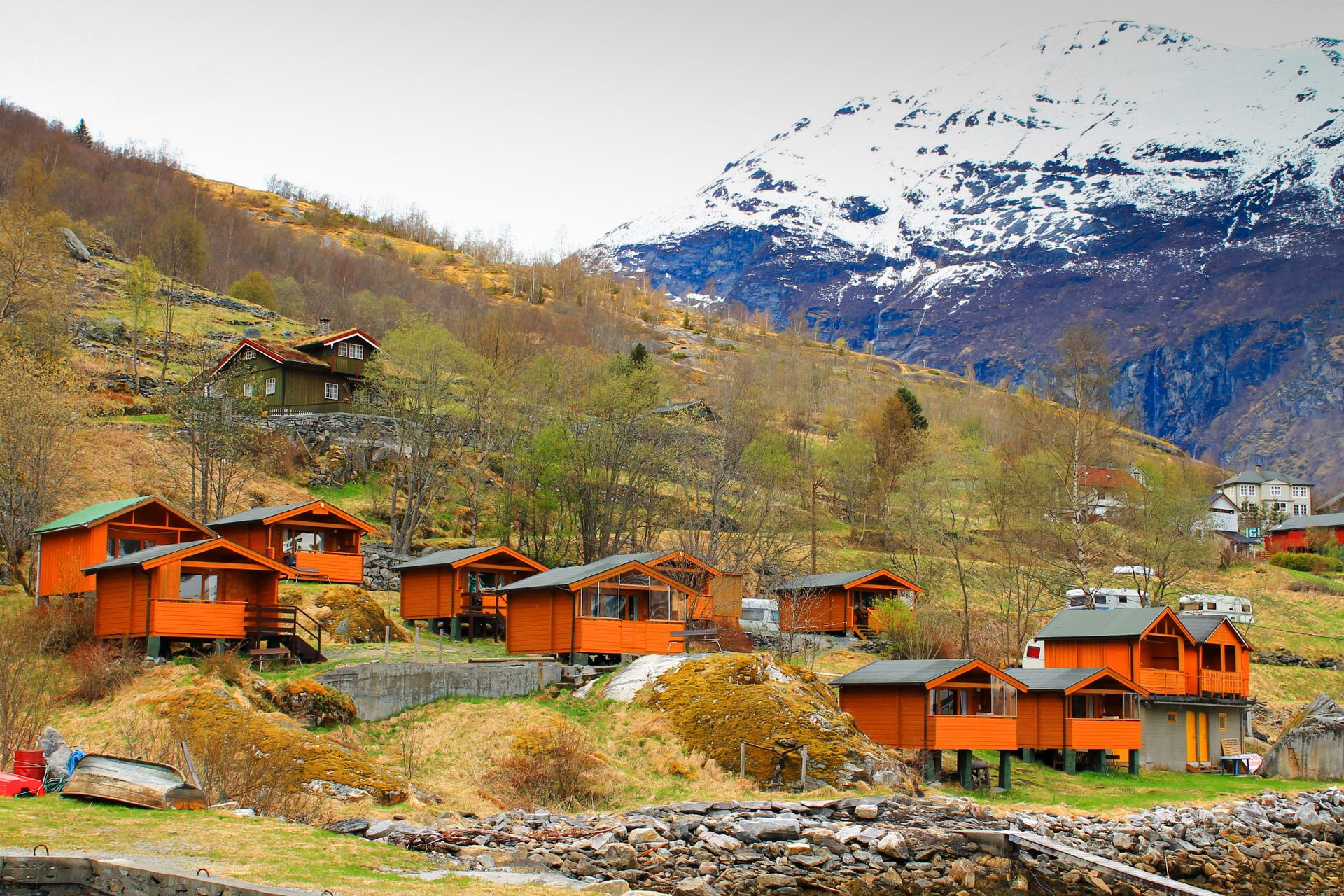
A village of 27 buildings hidden among Norway's fjords: Otternes Bygdetun
Otternes Bygdetun, made up of 27 buildings dating back to the 14th century in Norway's Aurland region, is a rare surviving example of fjord-side farming villages. Atlas Obscura's profile shows it functions as a micro-museum reflecting the transformations of rural life.
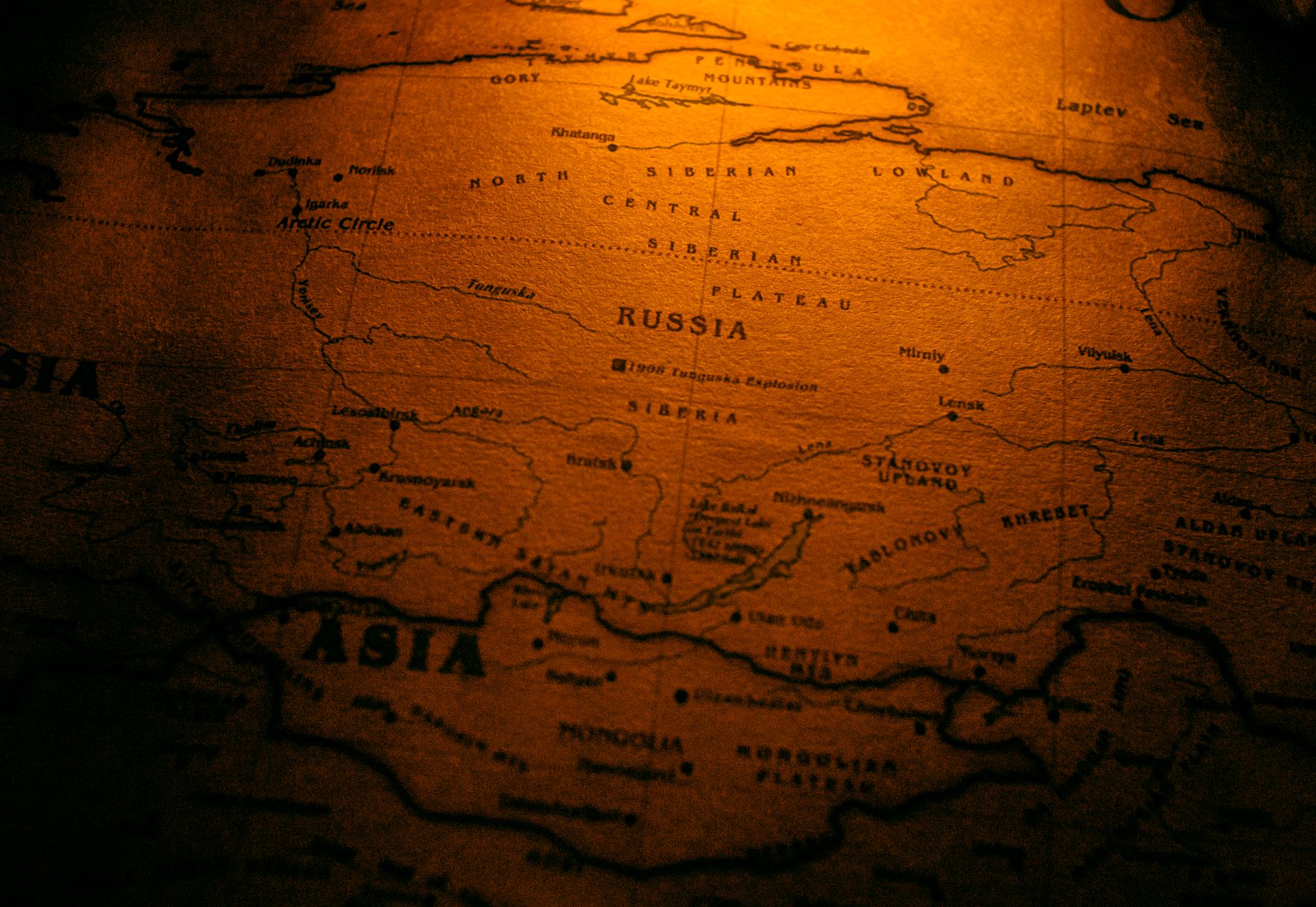
Why the Founding Fathers wanted to annex Canada — and the big mistake they made
The plan by the United States' Founding Fathers to annex Canada to the new republic is a little-known chapter of 18th century American history. The analysis by HistoryExtra explains why the plan failed and how the subsequent US-Canada border took shape.
The event behind Picasso's Guernica: the 1937 Gernika bombing and the witness of art
Guernica, one of Pablo Picasso's most famous paintings, was created after the bombing of the Basque town of Gernika in 1937. The details, recounted by HistoryExtra, show how the history of war became intertwined with art.