What was history's biggest blunder? 9 historians weigh in

What was the single greatest blunder in human history? It is the kind of question that has no definitive answer, but it is irresistible precisely because it forces a reckoning with how much hinges on individual decisions. HistoryExtra put the question to nine historians, and their varied responses form a tour through the moments when judgement failed and the consequences endured.
The exercise is useful as more than a parlour game. By asking experts to nominate a single misstep, it spotlights the role of contingency in history, the sense that events could have unfolded differently had a ruler, general or institution chosen another path. Each nomination is really an argument about cause and consequence.
Military catastrophes feature prominently in such discussions, as they often do, because the costs are so visible and so vast. Campaigns launched on flawed assumptions, invasions that overreached supply lines, and battles joined at the wrong moment have repeatedly turned confident powers into cautionary tales, and historians frequently reach for them.
Yet many of the most consequential blunders are political rather than martial. A treaty drafted to humiliate rather than reconcile, a succession mishandled, or a reform delayed until it was too late can set a society on a course that no single battle could. These slower-burning errors can be harder to see at the time and harder still to undo.
The feature also surfaces the category of missed opportunity, which is a blunder of omission rather than action. Choosing not to adopt a technology, not to form an alliance, or not to heed a warning can prove as fateful as any disastrous deed, even though inaction rarely makes for dramatic storytelling.
Part of what makes the question instructive is the role of hindsight. A decision that looks catastrophic now may have seemed reasonable given the information available at the time, and good historians are careful to judge actors by what they could have known rather than by outcomes they could not foresee. Labelling something a blunder is itself an interpretive act.
The diversity of the historians' answers is the point. There is no consensus pick, and that absence reveals how much depends on the lens a historian brings, whether they emphasise economics, ideology, technology or personality. Each expert's choice doubles as a statement about what they believe drives history.
These debates also carry a quiet warning for the present. If great powers and capable leaders could stumble into avoidable disasters, then the comfortable assumption that today's decision-makers will act wisely deserves scrutiny. History's blunders are reminders that competence and catastrophe are not mutually exclusive.
Readers are likely to finish such a feature disagreeing with at least some of the selections, which is part of its appeal. The arguments invite you to weigh your own candidate, to ask whether the worst error was one of arrogance, ignorance, or simple bad luck, and to consider how thin the line between the three can be.
The lasting value of the HistoryExtra collection is less in crowning a winner than in the conversation it provokes. By gathering nine considered judgements, it turns an unanswerable question into a guided tour of historical cause and effect, and a reminder of how much the long arc of the past has turned on moments of human misjudgement.
Read next

Who was Emma Goldman? The life of a radical thinker and activist
Emma Goldman was one of the most prominent and controversial political activists of the late 19th and early 20th centuries, known for her writing and speeches on anarchism, labour rights and free expression. This profile traces her journey from Russian-born immigrant to internationally watched figure, drawing on a HistoryExtra biographical feature.

The Finnish smoke sauna: how an ancient bathing tradition survives in Finland
The smoke sauna, or savusauna, is the oldest form of the Finnish sauna, heated by a chimneyless fire that fills the room with smoke before bathing begins. Recognised by UNESCO as intangible cultural heritage, the practice survives at sites like Hugon Savusaunat as a living link to a centuries-old way of life.
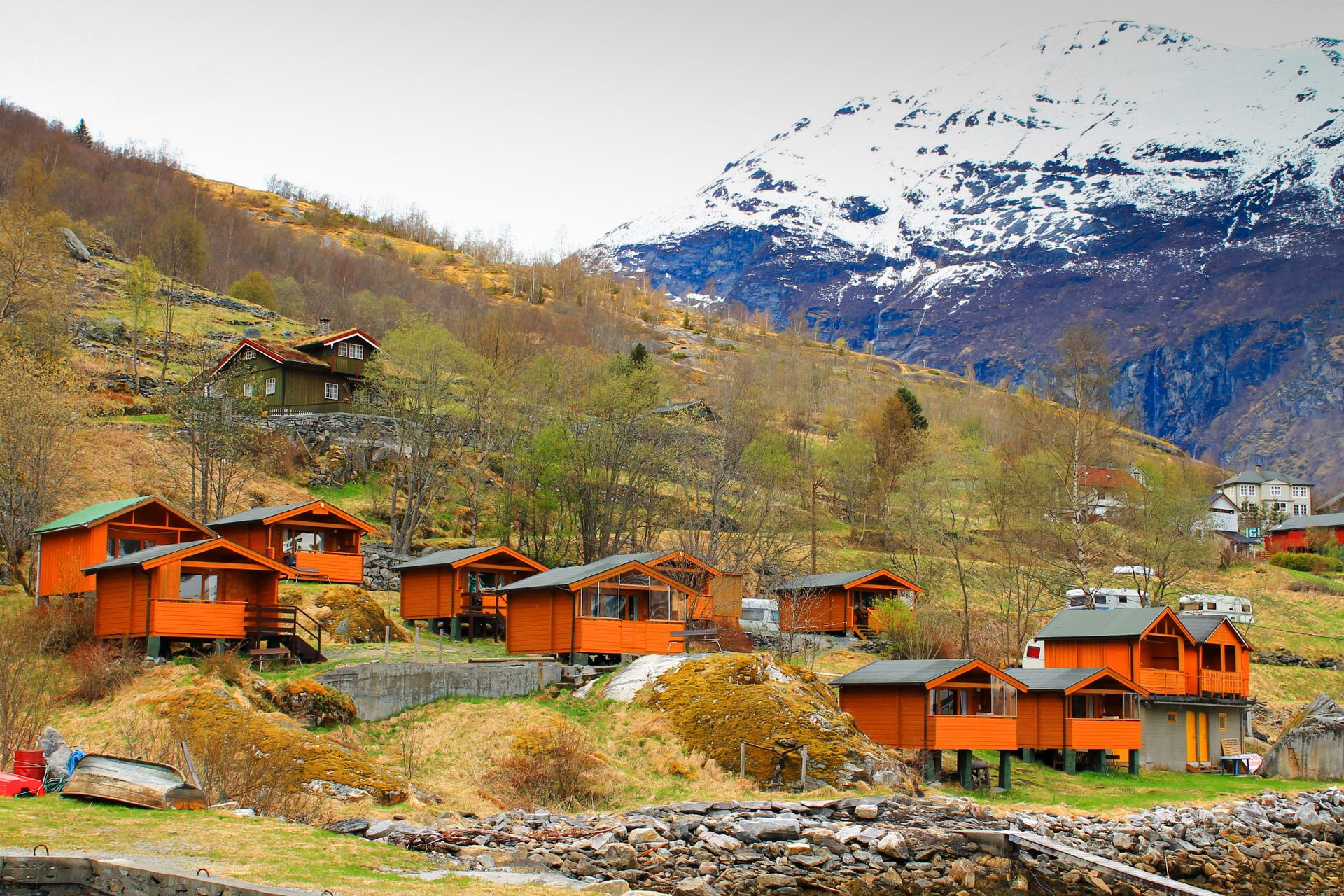
A village of 27 buildings hidden among Norway's fjords: Otternes Bygdetun
Otternes Bygdetun, made up of 27 buildings dating back to the 14th century in Norway's Aurland region, is a rare surviving example of fjord-side farming villages. Atlas Obscura's profile shows it functions as a micro-museum reflecting the transformations of rural life.
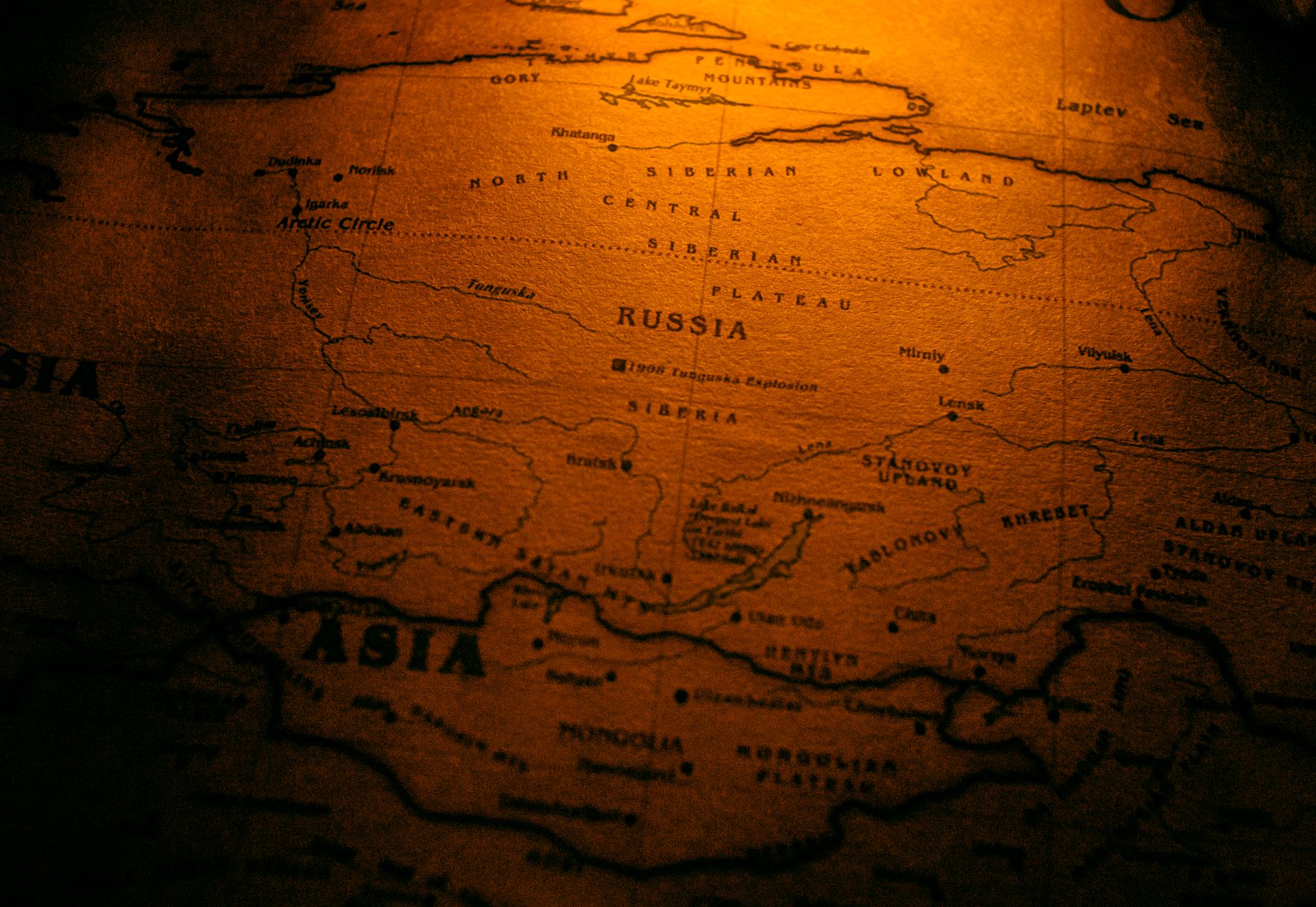
Why the Founding Fathers wanted to annex Canada — and the big mistake they made
The plan by the United States' Founding Fathers to annex Canada to the new republic is a little-known chapter of 18th century American history. The analysis by HistoryExtra explains why the plan failed and how the subsequent US-Canada border took shape.
The event behind Picasso's Guernica: the 1937 Gernika bombing and the witness of art
Guernica, one of Pablo Picasso's most famous paintings, was created after the bombing of the Basque town of Gernika in 1937. The details, recounted by HistoryExtra, show how the history of war became intertwined with art.