Why the Founding Fathers wanted to annex Canada — and the big mistake they made
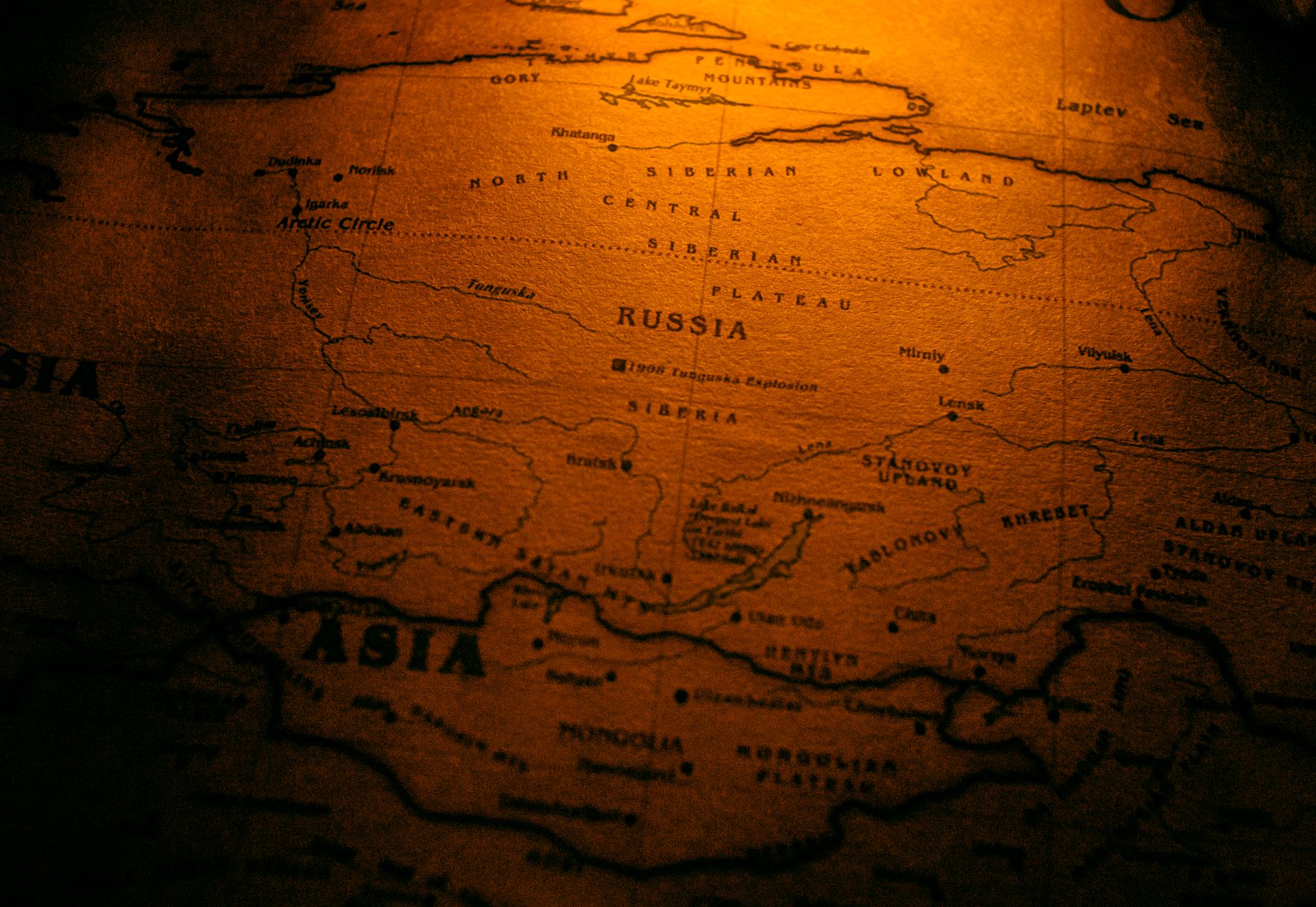
The plan by the United States' Founding Fathers to annex Canada to the new republic is a chapter often skipped over in American history. As HistoryExtra's review demonstrates, there was a US military campaign northward in 1775 and 1776; the strategy failed due to several important miscalculations.
Before the Revolutionary War (1775 to 1783) began, the military and diplomatic leadership of the Continental Congress saw Canada as a strategic priority. There were three main reasons: first, to pull the French-speaking population living in Canada into an anti-British front; second, to control Quebec City and the Saint Lawrence River to prevent British forces from descending into America from the north; third, to seize control of the Hudson Bay fur trade.
The campaign was planned along two main axes. The first axis, under Brigadier General Richard Montgomery, headed via Albany toward Montreal. The second axis, under Colonel Benedict Arnold, headed north from Boston through the Maine forests toward Quebec.
Montgomery's forces took Montreal in autumn 1775. From there, they reached the outskirts of Quebec City. Arnold's forces reached Quebec in December after an arduous march through the Maine forests. The two forces joined and attacked the city on the night of 31 December 1775 to 1 January 1776. The attack failed; Montgomery was killed in battle and Arnold was wounded.
The big mistake HistoryExtra highlights is that the US Congress mismanaged the strategy of winning the support of Canadian French Catholics ahead of the campaign. Earlier proclamations by Congress had used sharp language against the Catholic Church. These proclamations were translated into French in Canada; as a result, the local Catholic population perceived the US armies not as defenders of independence but as a religious threat.
The Quebec Act of 1774, known as the Canon of Quebec, had granted Britain's Canadian French population broad rights. Combined with the aggressive Protestant rhetoric of Congress, this gave the Canadian French population a strong reason to prefer Britain. Historian Mark Anderson told HistoryExtra: "The Quebec Act was designed to keep Canada on Britain's side; Congress's rhetoric was like a gift to that plan."
The failure of the campaign continued to have effects in later years. During the War of 1812, the United States again tried to attack Canada; it failed once more, due to similar cultural and religious miscalculations. This time, Britain's indigenous allies, particularly the Shawnee confederation led by Tecumseh, played an important role in defeating the US campaign.
The Oregon Treaty of 1846 completed the US-Canada border along the 49th parallel on the Pacific coast. The decision divided control of the Pacific Northwest between the United States and Britain. The 49th parallel is today one of the longest undefended borders in the world.
One long-lasting effect of the Founding Fathers era plan is the quasi-familial structure of Canada-US relations. The two countries share a common British colonial past and geographic proximity, but followed different political trajectories. Canada remains a Commonwealth country that still maintains the Crown as its constitutional head.
What HistoryExtra emphasizes is that the campaign carries a lesson for the present: military success is not enough; reading the cultural and religious sensitivities of the local population correctly is what leads to, or away from, success. This is a theme that returned later in American history from Vietnam to Iraq.
Read next
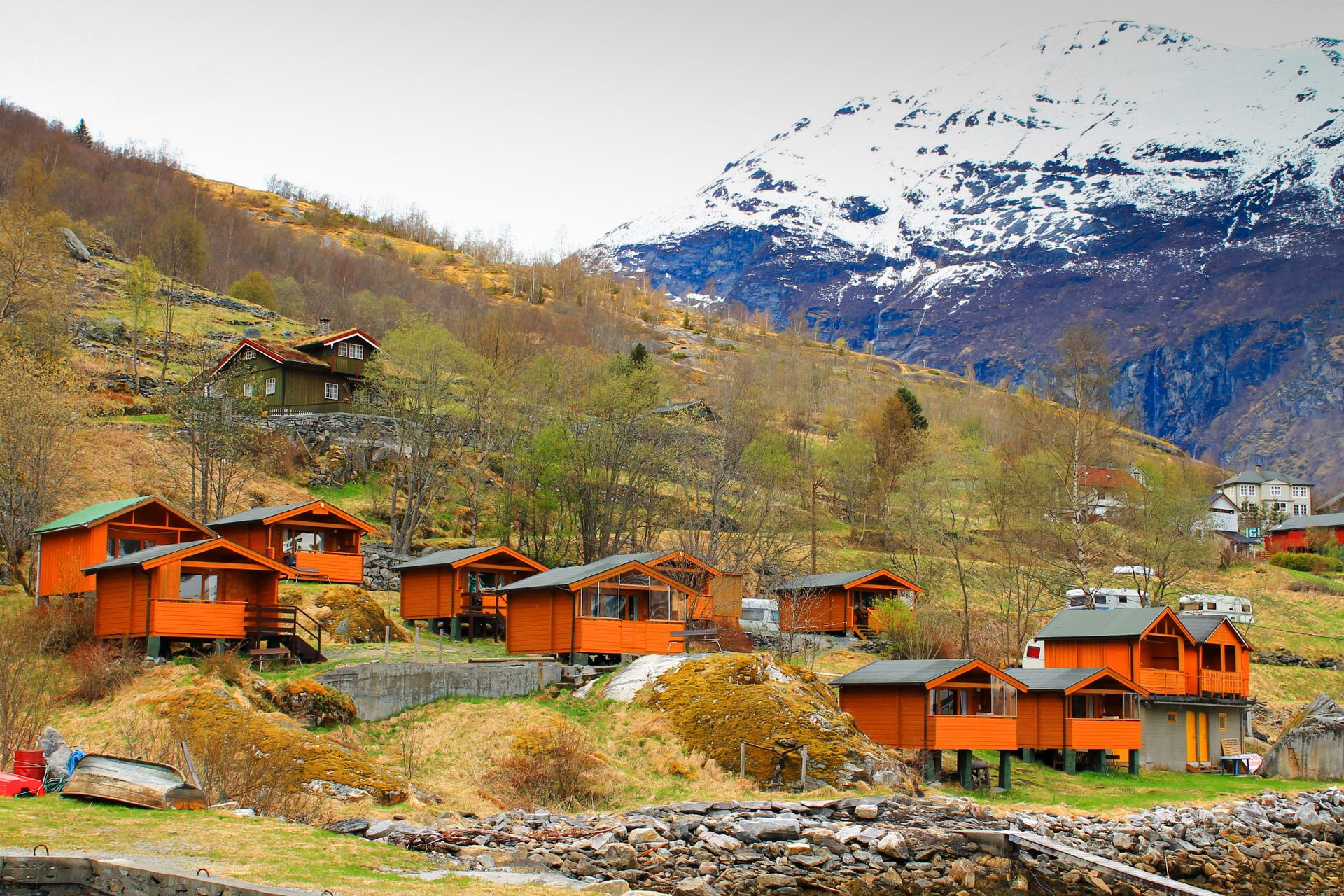
A village of 27 buildings hidden among Norway's fjords: Otternes Bygdetun
Otternes Bygdetun, made up of 27 buildings dating back to the 14th century in Norway's Aurland region, is a rare surviving example of fjord-side farming villages. Atlas Obscura's profile shows it functions as a micro-museum reflecting the transformations of rural life.

The event behind Picasso's Guernica: the 1937 Gernika bombing and the witness of art
Guernica, one of Pablo Picasso's most famous paintings, was created after the bombing of the Basque town of Gernika in 1937. The details, recounted by HistoryExtra, show how the history of war became intertwined with art.
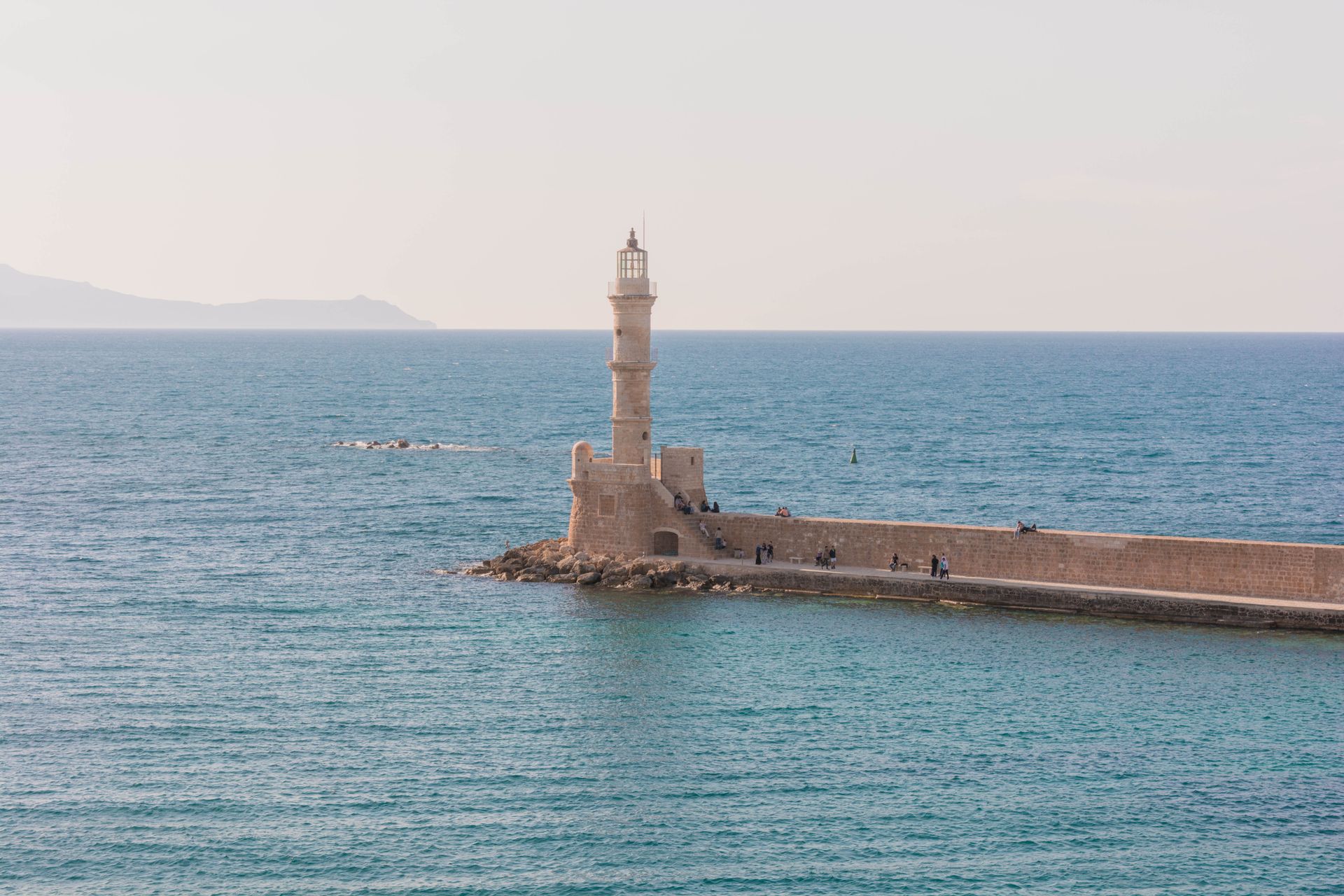
St Paul's Jetty in Samothraki: the story of Christianity's first European footprint
On the northern coast of the Greek island of Samothraki, a small stone jetty is, by tradition, the spot where the Apostle Paul crossed from Anatolia to Europe. Atlas Obscura's travel notebook describes the overlap between religious tradition and archaeological reality.
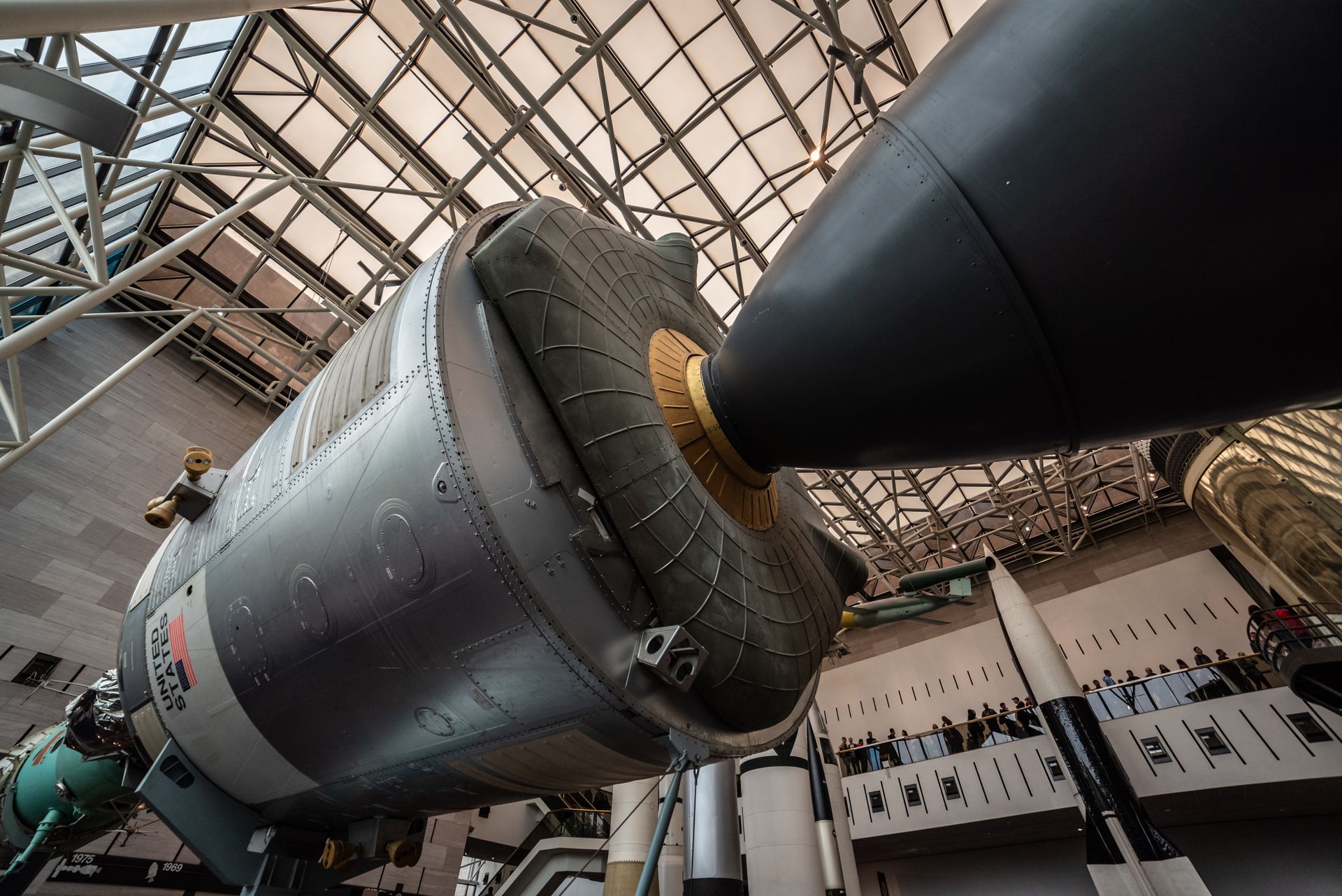
Stealing the V2 rocket: how Britain pulled off a secret WW2 intelligence coup
The Nazi Germany-built V2 ballistic missile was a key origin of the American space programme and the Cold War design era. A secret operation run by Britain's MI6 agents with the help of Polish resistance fighters delivered the war's secret weapon into Allied hands.

The five most dramatic British prime ministerial downfalls of the past 100 years
Which prime ministerial resignations have been the most jolting in the United Kingdom over the past century — and which left the longest legacies? HistoryExtra's guide reviews five case studies, from Chamberlain to Thatcher and Eden to May.
