A village of 27 buildings hidden among Norway's fjords: Otternes Bygdetun
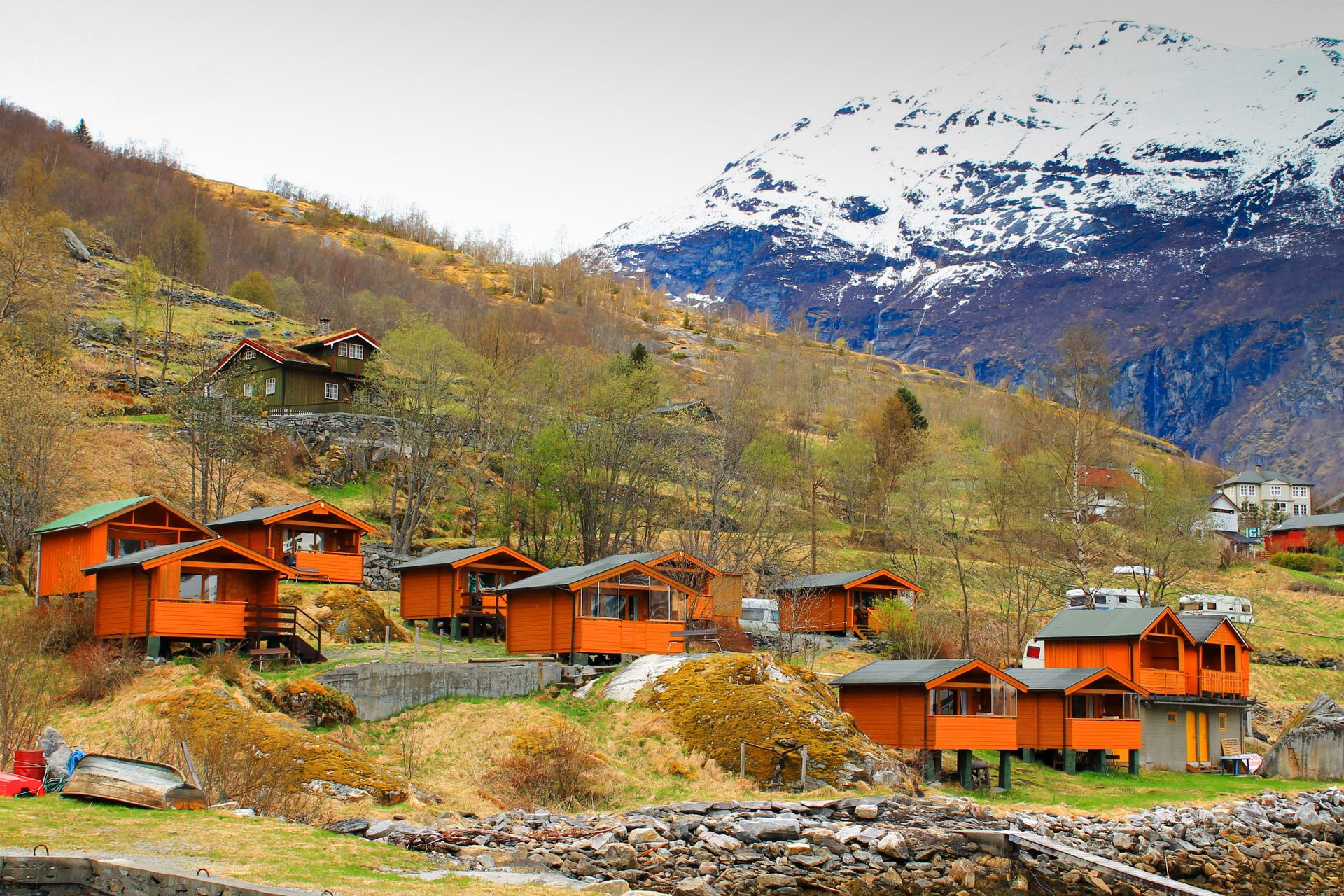
On a steep slope overlooking the Aurlandsfjord in Norway's Aurland region on the western coast, the village of Otternes Bygdetun, composed of 27 buildings, is one of the most complete preserved examples of fjord-side farming life. Atlas Obscura's profile recounts how this place has survived for more than 600 years and how it became part of today's cultural heritage.
The earliest records of Otternes Bygdetun go back to the 14th century, to the 1340s. The village developed as a typical example of fjord-side slope farming: small plots of grain, vegetables and a limited amount of livestock. Such villages are known in Norway as "bygdetun" (rural community).
The characteristic feature of the village is that the buildings were built separately according to specific functions. Living quarters (stue), storage (stabbur), barn (fjøs), hay store (løe), smithy (smelteri) and other functional buildings were separate structures. This was a practical structural choice to reduce fire risk and to allow different buildings to be built at different times.
The great majority of the buildings were built in the traditional Norwegian wooden style. The roofs are covered in turf, which both provides insulation and natural drainage in the rain. This building technique appears in many similar fjord-side villages represented on the UNESCO World Heritage List.
The village was home to about 30 people in the mid-19th century. In the early 20th century, during Norway's agricultural modernization, the village began to weaken. As large farming enterprises moved into flatter areas, the economic survival of slope villages became difficult. Otternes went out of service with its last permanent residents in the 1960s.
One reason the village has reached the present day is a conservation campaign launched in the 1980s by a local association called ABO (Aurland Bygdetun Organization). This campaign received both funding from Norwegian Crown cultural heritage funds and financial support from the Aurland municipality. The comprehensive restoration of the buildings was completed in the 1990s.
Today Otternes Bygdetun is a micro-museum open to visitors in the summer months. Local guides describe traditional farming methods, life on the fjord shore and the effects of phased modernization. Visitor numbers were around 8,000 in the 2024 season.
The village's preservation is also a case study of Norway's broader fjord-side conservation policy. Since the 1970s, Norway has developed an intensive conservation approach toward its fjord ecosystems and cultural heritage. The whole Aurland region is part of the West Norwegian Fjords area on the UNESCO World Heritage List.
In architectural terms, Otternes is a preserved example of the traditional "laftekonstruksjon" (notched log) technique. Buildings are constructed with raw wooden logs (laft) interlocked at the corners, without an axial foundation. This is a technique resistant to earthquakes and seasonal movement, and the buildings can be dismantled and reassembled when required.
The path to the village is a trail of roughly 3 km that branches off the Aurland-Lærdal highway. The trail is an extension of the road traditionally used by the villagers to reach Aurland. As Atlas Obscura emphasizes, Otternes Bygdetun is not only a historic site but also an example of how Norway preserves its rural cultural heritage.
Read next

Why the Founding Fathers wanted to annex Canada — and the big mistake they made
The plan by the United States' Founding Fathers to annex Canada to the new republic is a little-known chapter of 18th century American history. The analysis by HistoryExtra explains why the plan failed and how the subsequent US-Canada border took shape.

The event behind Picasso's Guernica: the 1937 Gernika bombing and the witness of art
Guernica, one of Pablo Picasso's most famous paintings, was created after the bombing of the Basque town of Gernika in 1937. The details, recounted by HistoryExtra, show how the history of war became intertwined with art.
St Paul's Jetty in Samothraki: the story of Christianity's first European footprint
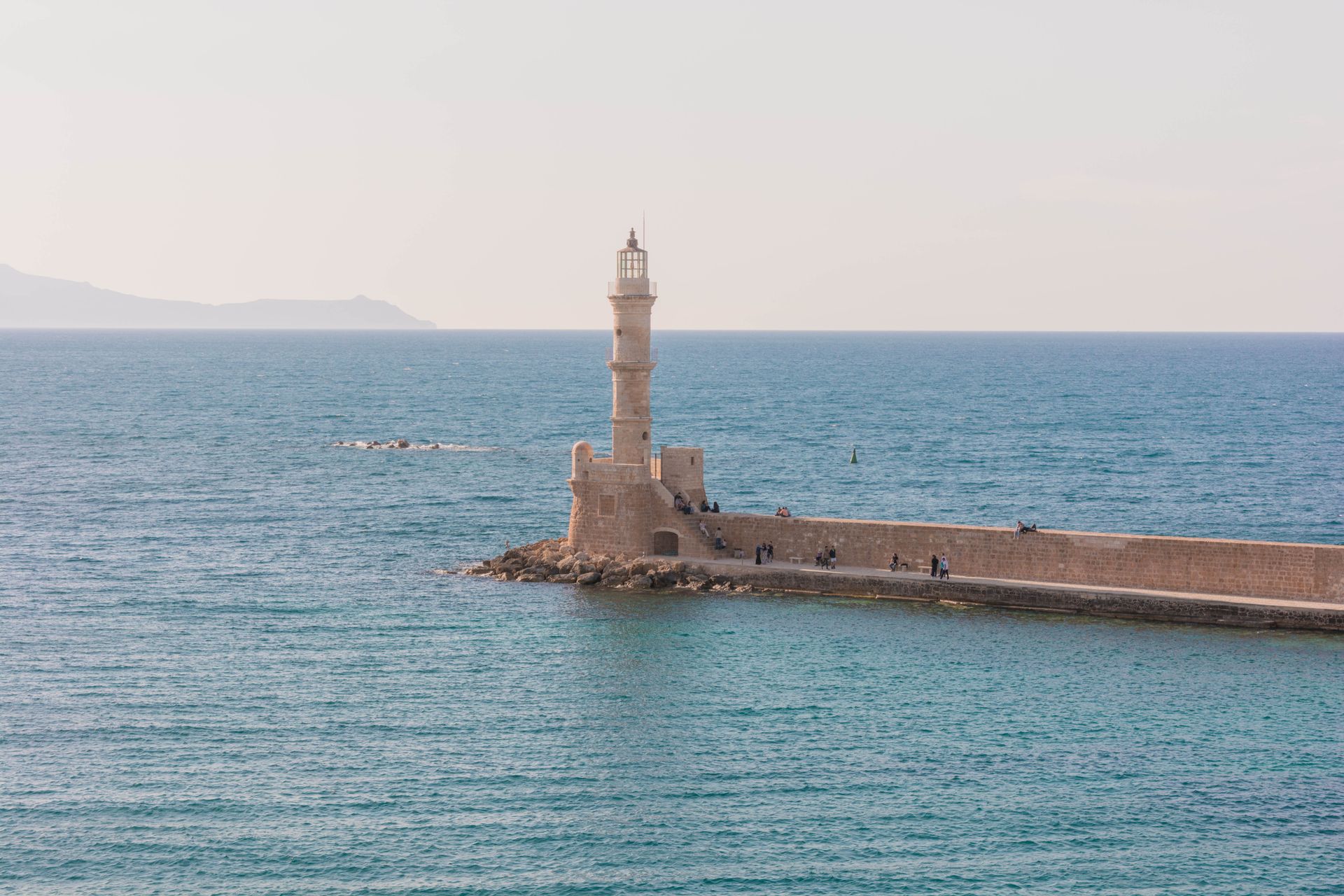
On the northern coast of the Greek island of Samothraki, a small stone jetty is, by tradition, the spot where the Apostle Paul crossed from Anatolia to Europe. Atlas Obscura's travel notebook describes the overlap between religious tradition and archaeological reality.
Stealing the V2 rocket: how Britain pulled off a secret WW2 intelligence coup
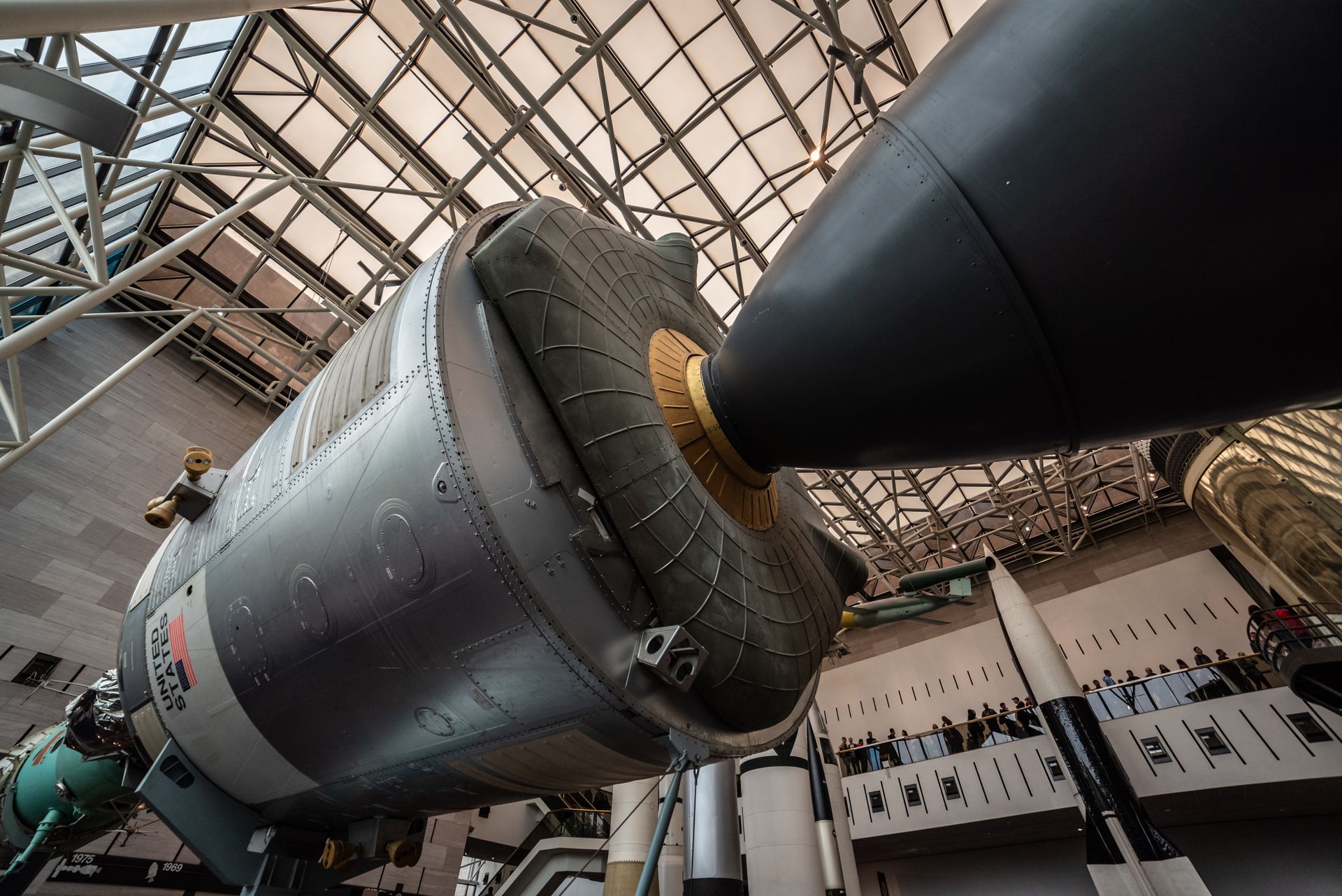
The Nazi Germany-built V2 ballistic missile was a key origin of the American space programme and the Cold War design era. A secret operation run by Britain's MI6 agents with the help of Polish resistance fighters delivered the war's secret weapon into Allied hands.

The five most dramatic British prime ministerial downfalls of the past 100 years
Which prime ministerial resignations have been the most jolting in the United Kingdom over the past century — and which left the longest legacies? HistoryExtra's guide reviews five case studies, from Chamberlain to Thatcher and Eden to May.
