The event behind Picasso's Guernica: the 1937 Gernika bombing and the witness of art
Pablo Picasso's Guernica is one of the best-known political testimonies in the history of modern art. HistoryExtra's review revisits the details of the event behind the painting, the 1937 bombing of Gernika, and underlines how art preserves and transmits history.
Gernika was a small Basque town in the Basque Country of northern Spain. At midday on 26 April 1937, aircraft of the German Luftwaffe's Condor Legion and the Italian Aviazione Legionaria bombed the town. The attack lasted roughly three and a half hours. The event passed into history as one of the large-scale air strikes on civilian targets by Nationalist forces of General Franco during the Spanish Civil War.
The bombing is also a significant turning point in military history. Historians take the view that the attack was designed to test the practicability of modern air warfare. Under this hypothesis, Germany rehearsed at Gernika the Blitzkrieg tactics it would use in the Second World War. HistoryExtra reports that German military documents from the period partially support this test argument.
The official death toll remained contested. The Spanish (Republican) government's first announcement was around 1,654 people. Later historical work narrowed the figure to a range between 200 and 1,000. Most Basque historians accept a band of 250 to 300 civilian deaths as the most reliable estimate. At the center of the debate is whether the bombing was inflated for propaganda purposes.
Picasso heard of the event while working in Paris on a painting commissioned for the Spanish Pavilion of the Republican government in exile. The terms of the commission were initially undefined; however, when news of the Gernika bombing reached the Parisian press, the direction of Picasso's work changed completely. The painting was completed in roughly 35 days.
Guernica's dimensions are approximately 3.5 meters by 7.8 meters. Picasso expressed the themes of war, pain and violence in a monochrome palette. The elements that appear in the painting, the bull, the broken sword, the screaming woman, the dead child, and the disemboweled horse, mix cubist and symbolic elements.
The painting's first exhibition site was the Paris Pavilion. After 1937, Picasso stipulated that the painting was not to return to Spain under Franco's rule but only under a democratic Spanish government. For this reason, Guernica remained at the Museum of Modern Art in New York until 1981. Following Franco's death in 1975 and Spain's democratic transition, the painting was moved to Madrid in 1981.
The painting today is in the collection of the Museo Reina Sofía in Madrid. The Basque Country campaigned for years for the painting to be moved to Gernika, but for both technical reasons (the painting's physical fragility) and political ones (the position of the Spanish central government), this did not happen.
The bombing of Gernika is also a determining event in modern international law. In the expansion of the Geneva Convention to protect civilians after the Second World War, the Gernika incident became a frequently cited example. The International Court of Justice (ICJ) used the event as a reference point in later assessments of air strikes on civilian targets.
Guernica remains a powerful symbol in the 21st century. A replica of the painting hung for years in the lobby of the United Nations building; its covering during diplomatic meetings ahead of the Iraq war in 2003 caused controversy. The event was accepted as an illustration of the political power of works of art. As HistoryExtra emphasizes, Guernica stands on its own both as a historical document and as a work of art.
Read next
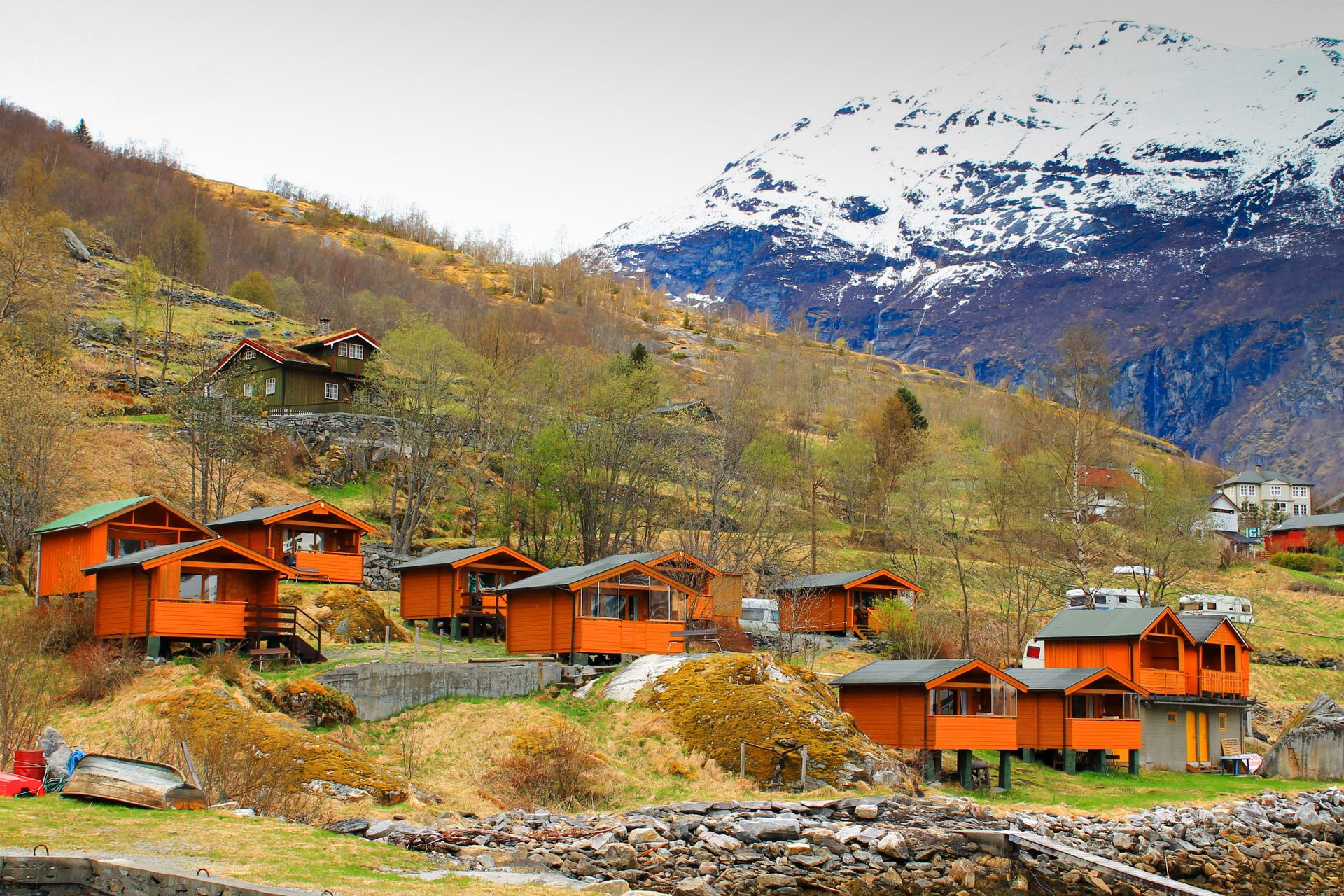
A village of 27 buildings hidden among Norway's fjords: Otternes Bygdetun
Otternes Bygdetun, made up of 27 buildings dating back to the 14th century in Norway's Aurland region, is a rare surviving example of fjord-side farming villages. Atlas Obscura's profile shows it functions as a micro-museum reflecting the transformations of rural life.
Why the Founding Fathers wanted to annex Canada — and the big mistake they made
The plan by the United States' Founding Fathers to annex Canada to the new republic is a little-known chapter of 18th century American history. The analysis by HistoryExtra explains why the plan failed and how the subsequent US-Canada border took shape.
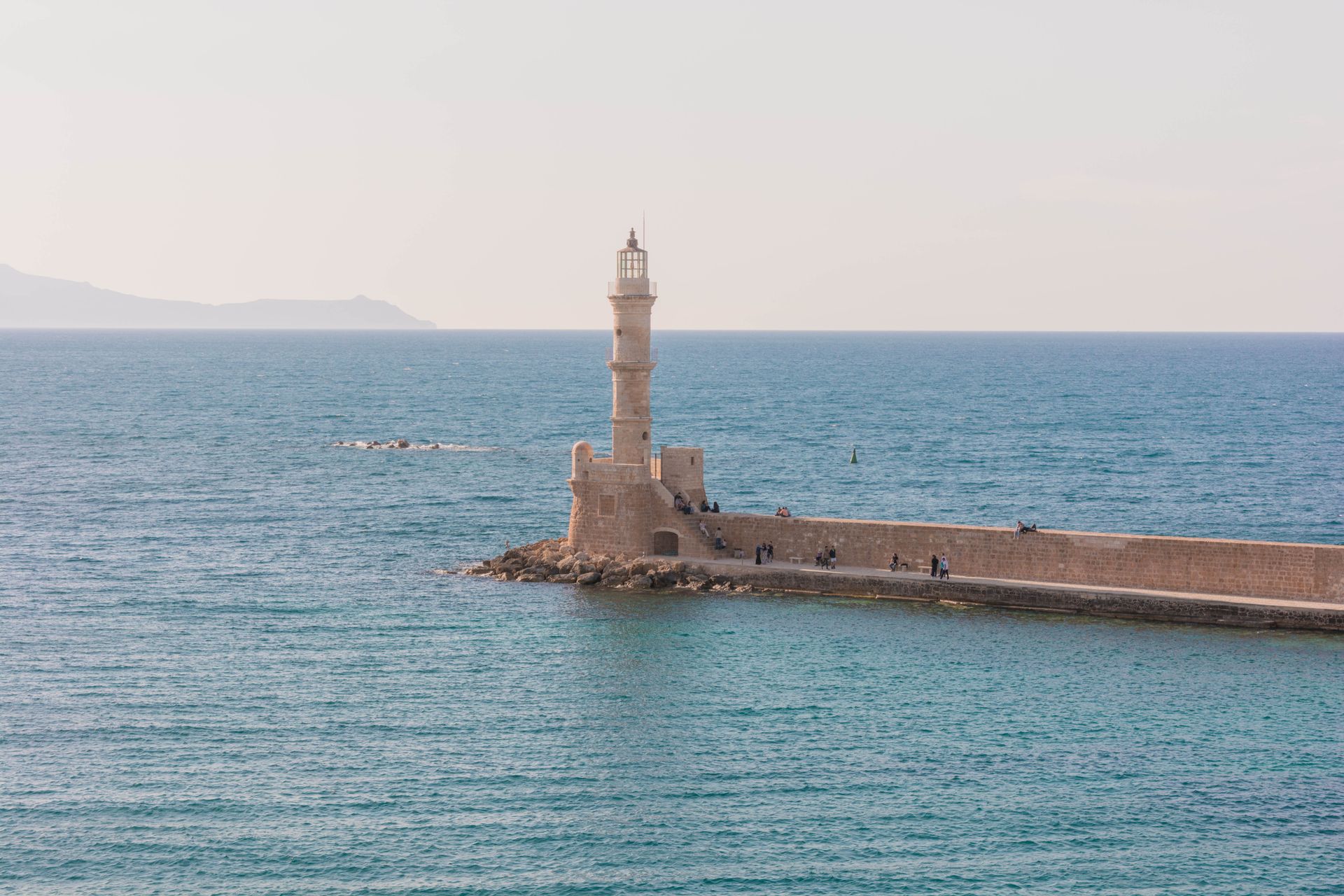
St Paul's Jetty in Samothraki: the story of Christianity's first European footprint
On the northern coast of the Greek island of Samothraki, a small stone jetty is, by tradition, the spot where the Apostle Paul crossed from Anatolia to Europe. Atlas Obscura's travel notebook describes the overlap between religious tradition and archaeological reality.
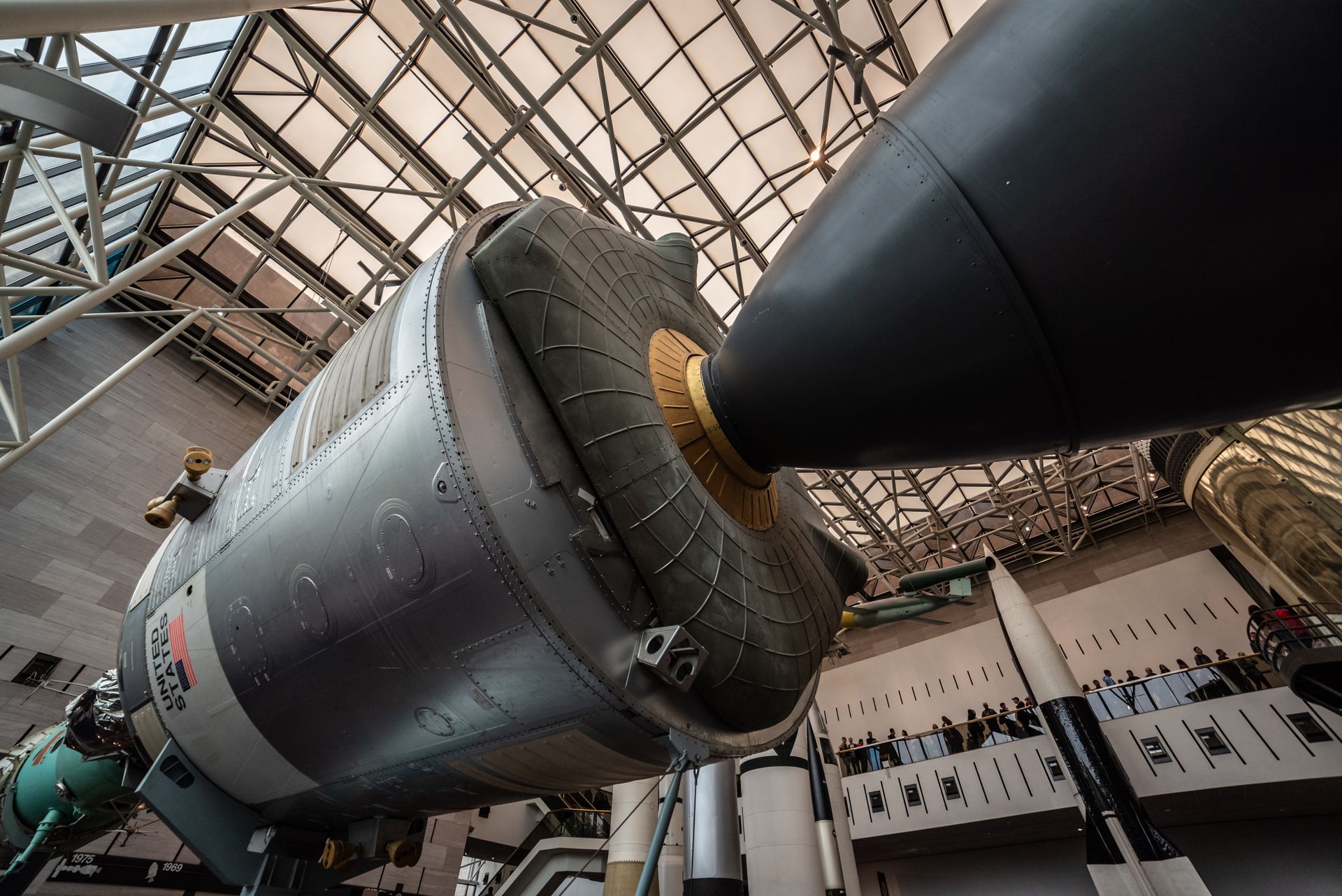
Stealing the V2 rocket: how Britain pulled off a secret WW2 intelligence coup
The Nazi Germany-built V2 ballistic missile was a key origin of the American space programme and the Cold War design era. A secret operation run by Britain's MI6 agents with the help of Polish resistance fighters delivered the war's secret weapon into Allied hands.

The five most dramatic British prime ministerial downfalls of the past 100 years
Which prime ministerial resignations have been the most jolting in the United Kingdom over the past century — and which left the longest legacies? HistoryExtra's guide reviews five case studies, from Chamberlain to Thatcher and Eden to May.
