The Finnish smoke sauna: how an ancient bathing tradition survives in Finland

Long before the tidy electric cabins found in gyms and hotels, the Finnish sauna began as something earthier and more elemental: the savusauna, or smoke sauna. Described by Atlas Obscura through sites such as Hugon Savusaunat, it is the oldest form of a tradition so deeply woven into Finnish life that it has been recognised by UNESCO as intangible cultural heritage.
What sets the smoke sauna apart is the absence of a chimney. A large pile of stones is heated by a wood fire for many hours, and the smoke is allowed to fill the room rather than vent outside. The space slowly blackens with soot, and the air thickens, in a process that demands patience measured in hours rather than minutes.
Only when the stones are thoroughly hot is the fire allowed to die down and the smoke cleared from the room. What remains is a soft, enveloping heat radiating from the stones and the blackened walls, along with the distinctive aroma of woodsmoke that practitioners describe as central to the experience.
That heat is gentler and more even than the sharp blast of a modern electric sauna. Devotees say the warmth of a well-prepared smoke sauna feels deeper and rounder, a quality attributed to the mass of heated stone and the absence of an active fire during bathing. For many Finns it is considered the truest form of the sauna.
The practice is bound up with the rhythms of rural Finnish life. Historically the sauna was not only a place to bathe but a sterile, warm space used for everything from preparing food to giving birth and tending the sick. It occupied a near-sacred place in the household, governed by unspoken codes of calm and respect.
Maintaining a smoke sauna is a craft in itself. Heating the stones correctly, judging when the smoke has cleared, and tending the structure so that soot and heat are balanced all require experience passed down through generations. The labour involved is part of why the tradition came close to fading as electric saunas spread.
The UNESCO recognition of Finnish sauna culture in recent years reflects a broader effort to safeguard practices that are easy to lose when convenience takes over. Listing the tradition as intangible heritage does not freeze it in place, but it signals a collective decision that the knowledge and customs surrounding the sauna are worth preserving.
Sites like Hugon Savusaunat matter because they keep the hands-on knowledge alive. A smoke sauna cannot be experienced from a description; it has to be heated, entered and understood through the senses, which is why preserved and working examples are more valuable than any museum display could be.
The enduring appeal also speaks to something beyond nostalgia. In an age of instant, automated comfort, the slow ritual of preparing and enjoying a smoke sauna offers a deliberate counterpoint, a reminder that some pleasures are inseparable from the time and care invested in them.
The survival of the savusauna, the Atlas Obscura account suggests, is a quiet act of cultural continuity. By keeping these blackened, fragrant rooms in use, Finland preserves not just a way of bathing but a connection to generations who gathered in the same warmth, in a tradition that has outlasted centuries of change.
Read next

Who was Emma Goldman? The life of a radical thinker and activist
Emma Goldman was one of the most prominent and controversial political activists of the late 19th and early 20th centuries, known for her writing and speeches on anarchism, labour rights and free expression. This profile traces her journey from Russian-born immigrant to internationally watched figure, drawing on a HistoryExtra biographical feature.

What was history's biggest blunder? 9 historians weigh in
Nine historians were asked to name history's biggest blunder, and their answers range from military catastrophes to political miscalculations and missed opportunities. The selections, drawn from a HistoryExtra feature, show how a single decision can echo across centuries.
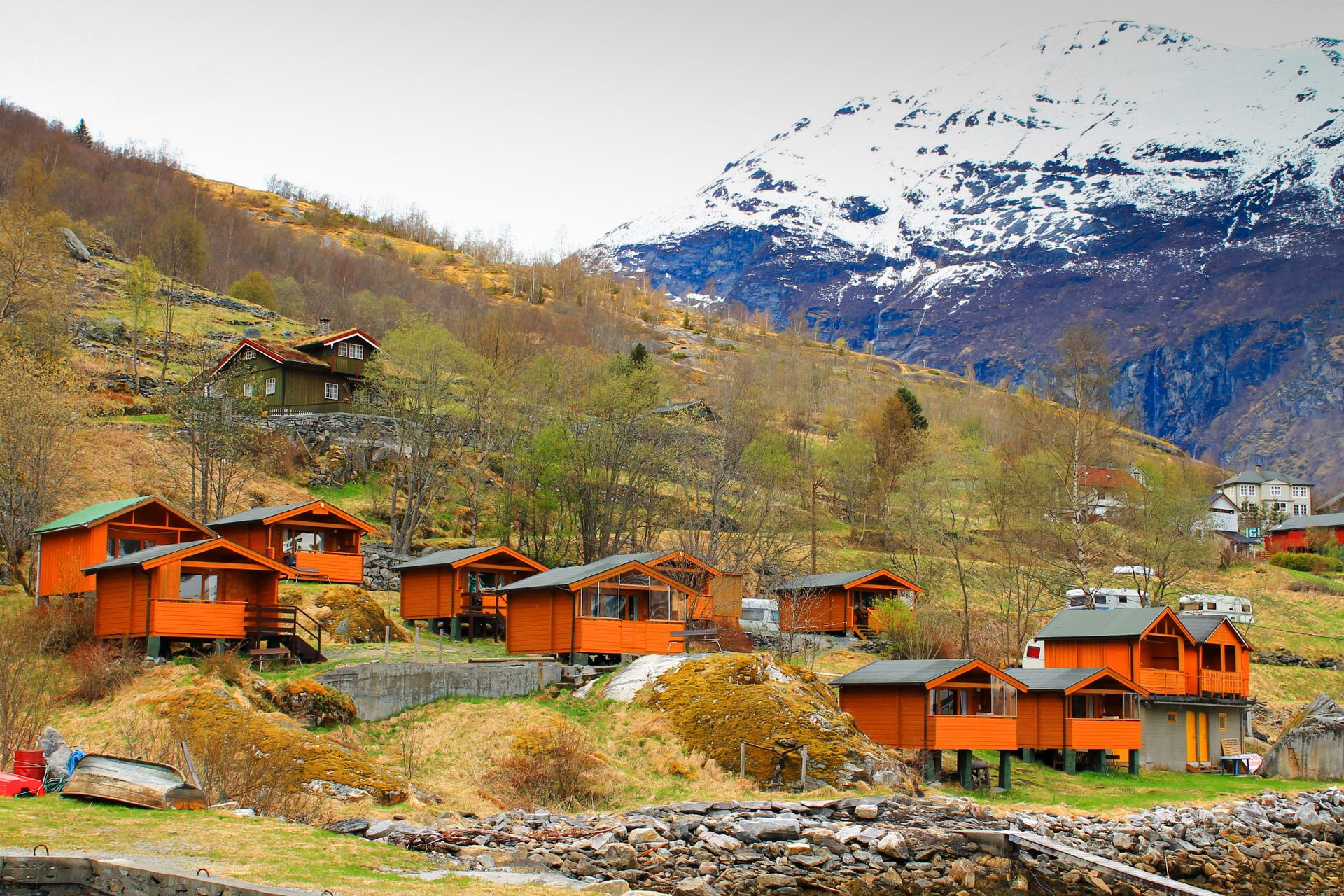
A village of 27 buildings hidden among Norway's fjords: Otternes Bygdetun
Otternes Bygdetun, made up of 27 buildings dating back to the 14th century in Norway's Aurland region, is a rare surviving example of fjord-side farming villages. Atlas Obscura's profile shows it functions as a micro-museum reflecting the transformations of rural life.

Why the Founding Fathers wanted to annex Canada — and the big mistake they made
The plan by the United States' Founding Fathers to annex Canada to the new republic is a little-known chapter of 18th century American history. The analysis by HistoryExtra explains why the plan failed and how the subsequent US-Canada border took shape.
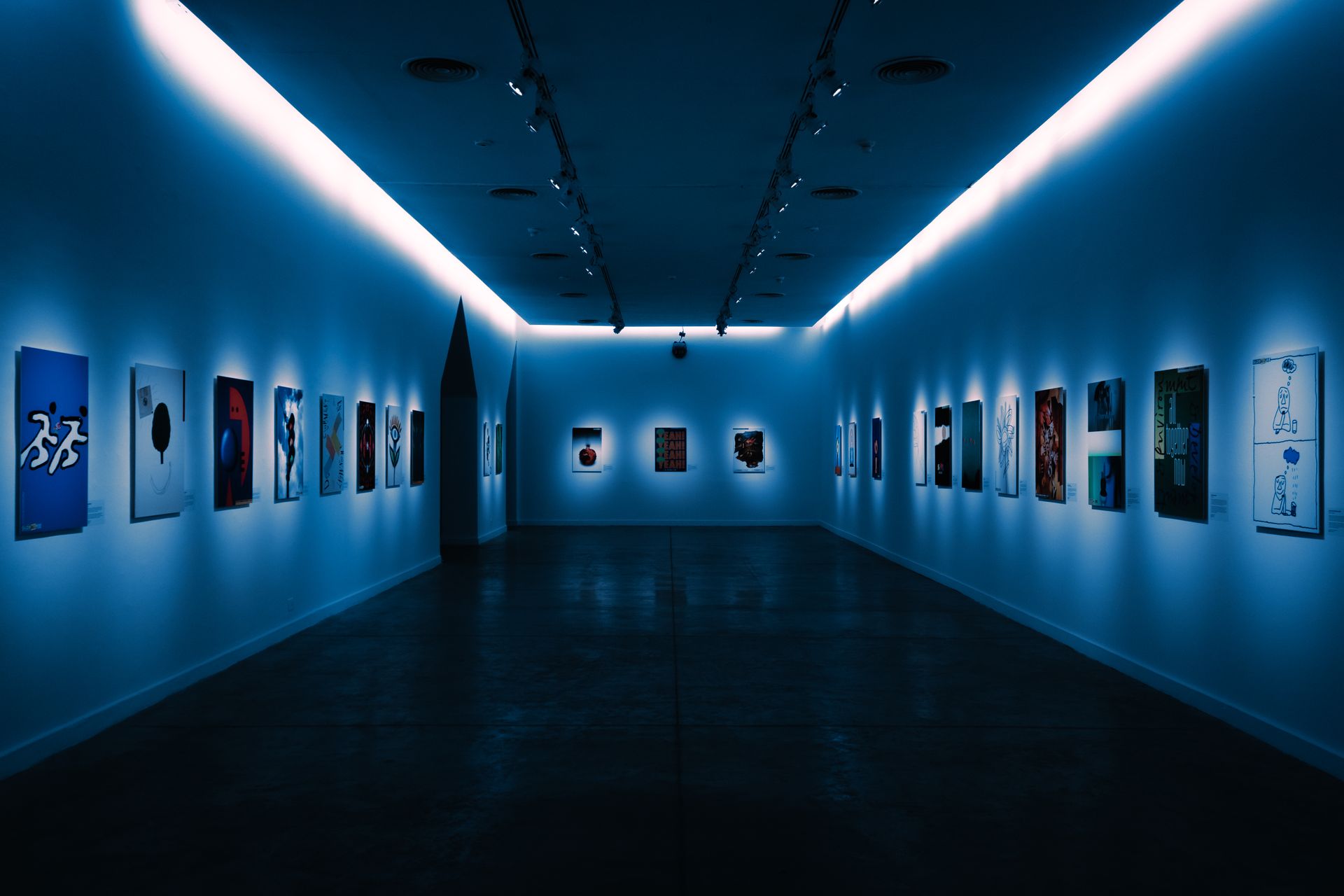
The event behind Picasso's Guernica: the 1937 Gernika bombing and the witness of art
Guernica, one of Pablo Picasso's most famous paintings, was created after the bombing of the Basque town of Gernika in 1937. The details, recounted by HistoryExtra, show how the history of war became intertwined with art.